Waterloo Bridge | Monet
Artwork: Claude Monet - "Waterloo Bridge, effet de brume" (1904)
-
About the Artwork
Painted in 1904, Waterloo Bridge, effet de brume (Waterloo Bridge, Effect of Fog) is a masterful exploration of atmosphere and industrial modernity. In this mesmerizing piece, Monet captures the iconic London bridge veiled in a thick, luminous fog, with the faint silhouettes of industrial smokestacks emerging in the distant background. Rejecting sharp, definitive outlines, he uses a delicate, ethereal palette of pale lavenders, soft blues, and subtle yellow reflections shimmering on the surface of the Thames River to paint the very air itself. It is a profound study of how light permeates and transforms a dense, hazy cityscape.
--
Space & Styling Recommendation
With its dreamy, atmospheric quality and soothing pastel tones, this masterpiece is a highly sophisticated addition to any curated art collection or elegant interior. It pairs flawlessly with Modern, Minimalist, Transitional, and Classic decor styles. We highly recommend this piece for quiet study rooms, executive offices, or serene master bedrooms seeking a touch of elegance. Displaying this enigmatic London landscape brings a sense of poetic tranquility and timeless prestige to the space, offering a captivating visual retreat for the viewer.
---------
Oscar-Claude Monet (1840–1926) was a renowned French painter, a founder, and one of the most representative figures of the Impressionist movement. The term "Impressionism" itself originated from his famous painting Impression, Sunrise, which was showcased in the first independent exhibition in 1874. Monet dedicated his life to experimenting with light and shadow, subverting traditional painting approaches to shadows and outlines; clear, flatly applied outlines are almost entirely absent from his canvases. To accurately capture the subtle changes in light across different times and seasons, he frequently painted the same scene multiple times (such as his famous Water Lilies series created in his later years at his Giverny garden), pushing the perfect integration of color and light to its absolute pinnacle.
.
Material : Premium Matte Paper
Artwork: Claude Monet - "Waterloo Bridge, effet de brume" (1904)
-
About the Artwork
Painted in 1904, Waterloo Bridge, effet de brume (Waterloo Bridge, Effect of Fog) is a masterful exploration of atmosphere and industrial modernity. In this mesmerizing piece, Monet captures the iconic London bridge veiled in a thick, luminous fog, with the faint silhouettes of industrial smokestacks emerging in the distant background. Rejecting sharp, definitive outlines, he uses a delicate, ethereal palette of pale lavenders, soft blues, and subtle yellow reflections shimmering on the surface of the Thames River to paint the very air itself. It is a profound study of how light permeates and transforms a dense, hazy cityscape.
--
Space & Styling Recommendation
With its dreamy, atmospheric quality and soothing pastel tones, this masterpiece is a highly sophisticated addition to any curated art collection or elegant interior. It pairs flawlessly with Modern, Minimalist, Transitional, and Classic decor styles. We highly recommend this piece for quiet study rooms, executive offices, or serene master bedrooms seeking a touch of elegance. Displaying this enigmatic London landscape brings a sense of poetic tranquility and timeless prestige to the space, offering a captivating visual retreat for the viewer.
---------
Oscar-Claude Monet (1840–1926) was a renowned French painter, a founder, and one of the most representative figures of the Impressionist movement. The term "Impressionism" itself originated from his famous painting Impression, Sunrise, which was showcased in the first independent exhibition in 1874. Monet dedicated his life to experimenting with light and shadow, subverting traditional painting approaches to shadows and outlines; clear, flatly applied outlines are almost entirely absent from his canvases. To accurately capture the subtle changes in light across different times and seasons, he frequently painted the same scene multiple times (such as his famous Water Lilies series created in his later years at his Giverny garden), pushing the perfect integration of color and light to its absolute pinnacle.
.
Material : Premium Matte Paper

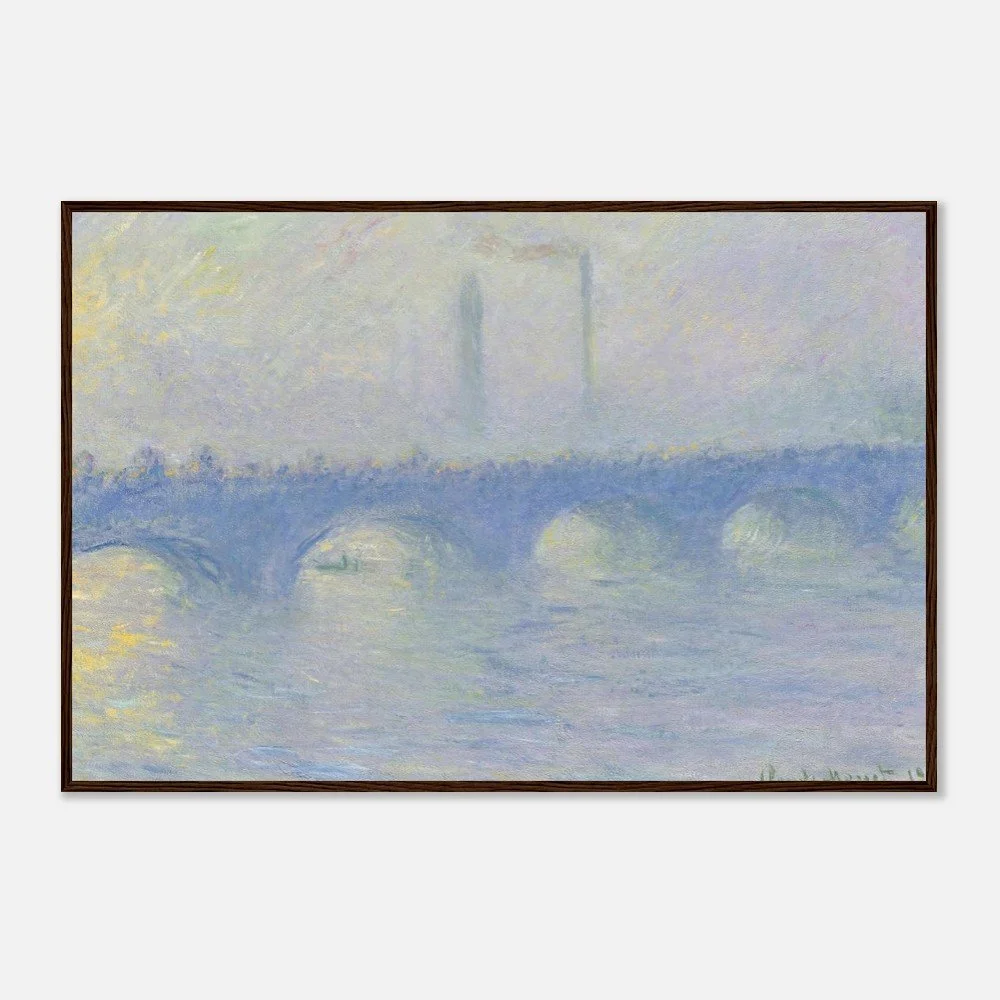 Image 1 of 26
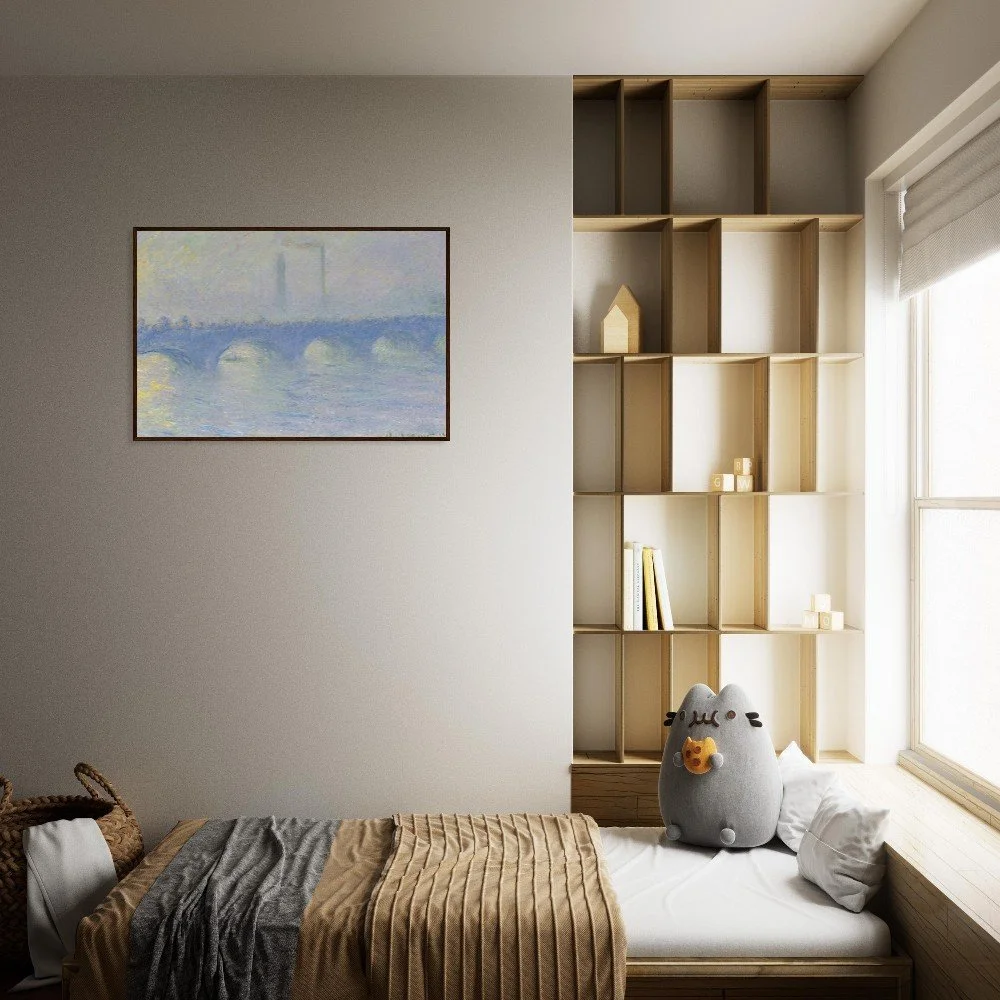 Image 2 of 26
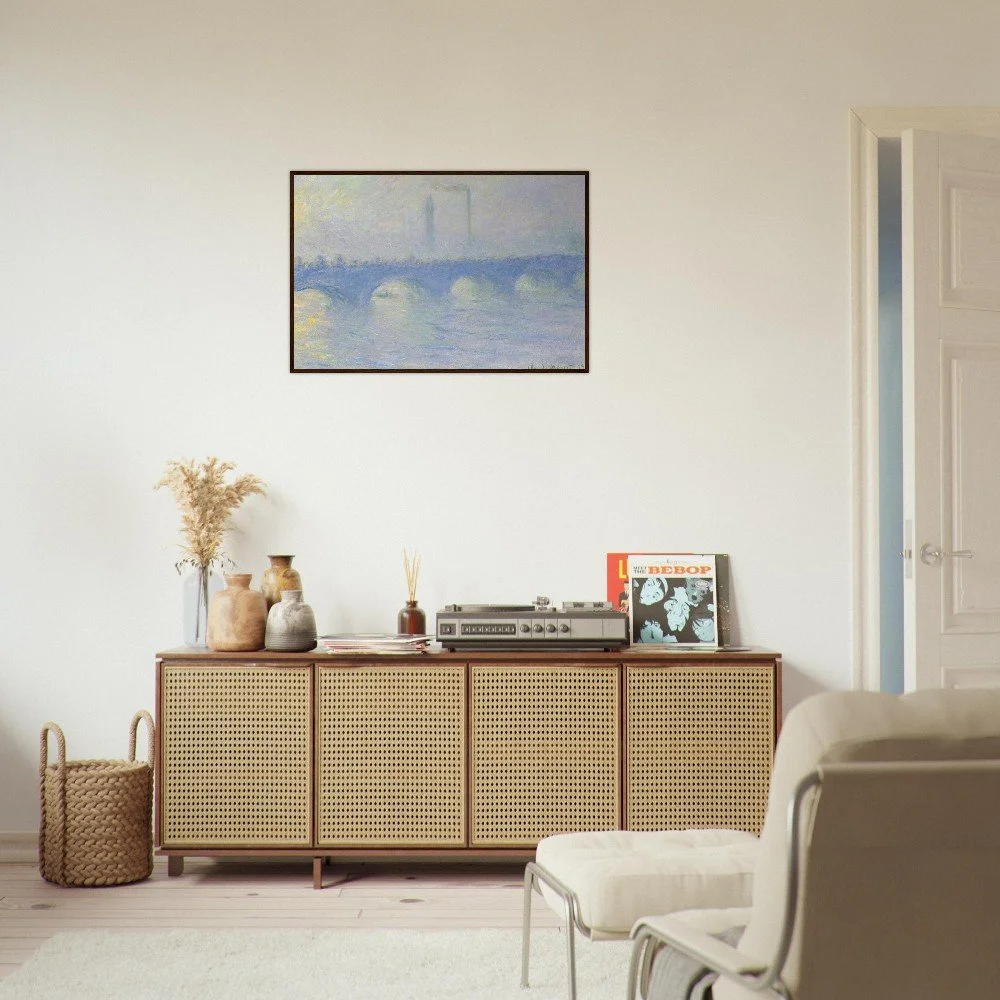 Image 3 of 26
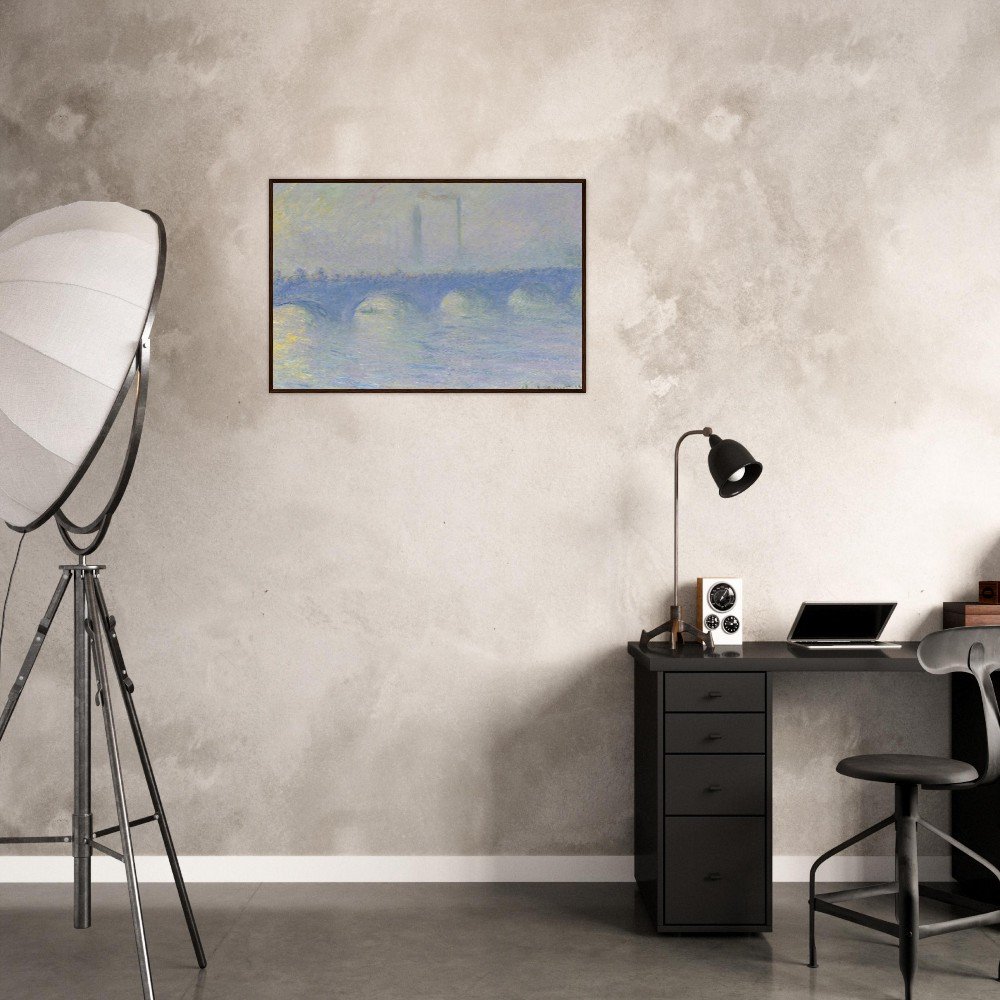 Image 4 of 26
 Image 5 of 26
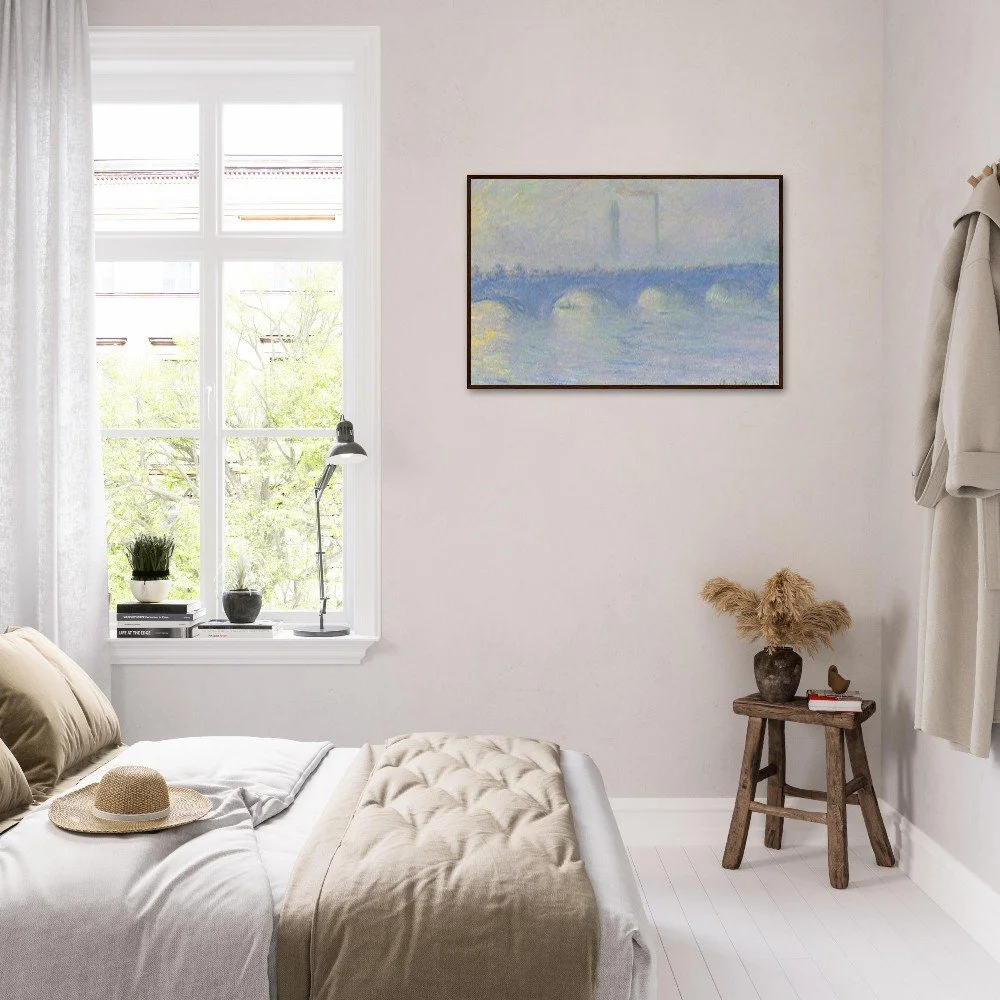 Image 6 of 26
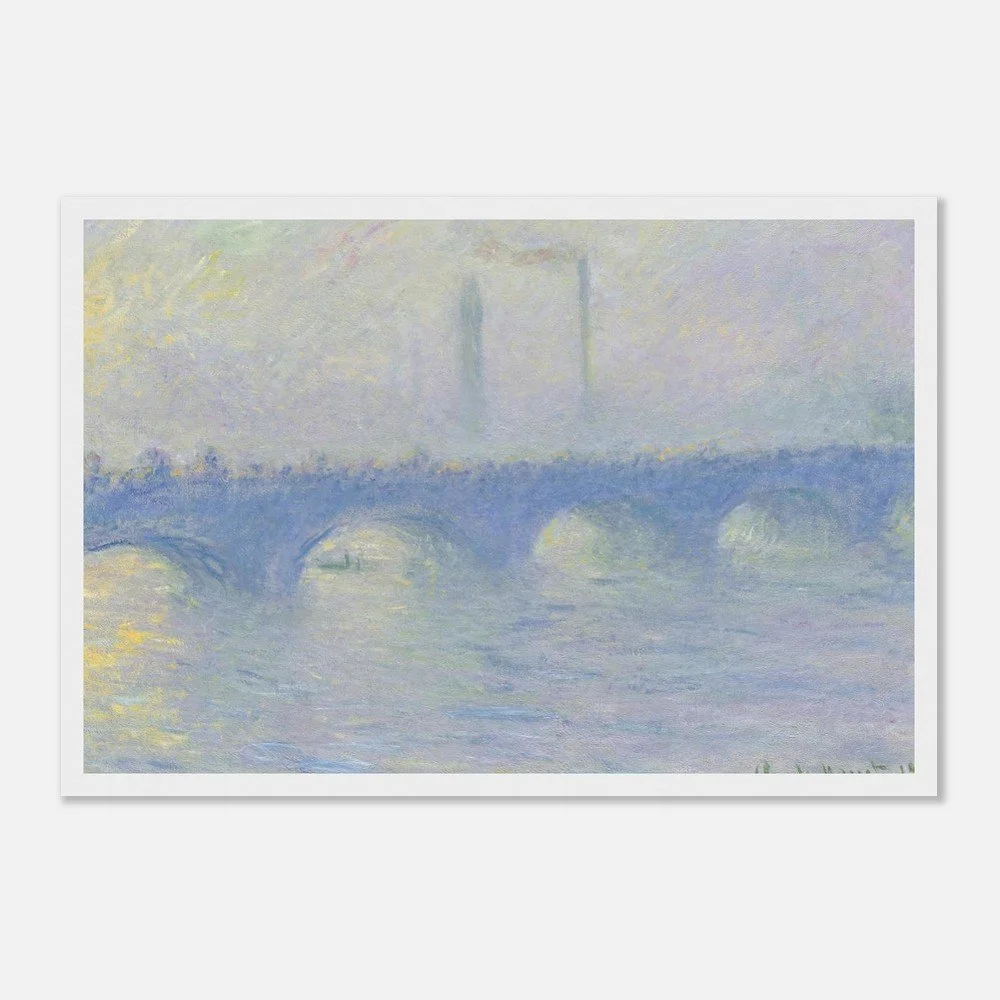 Image 7 of 26
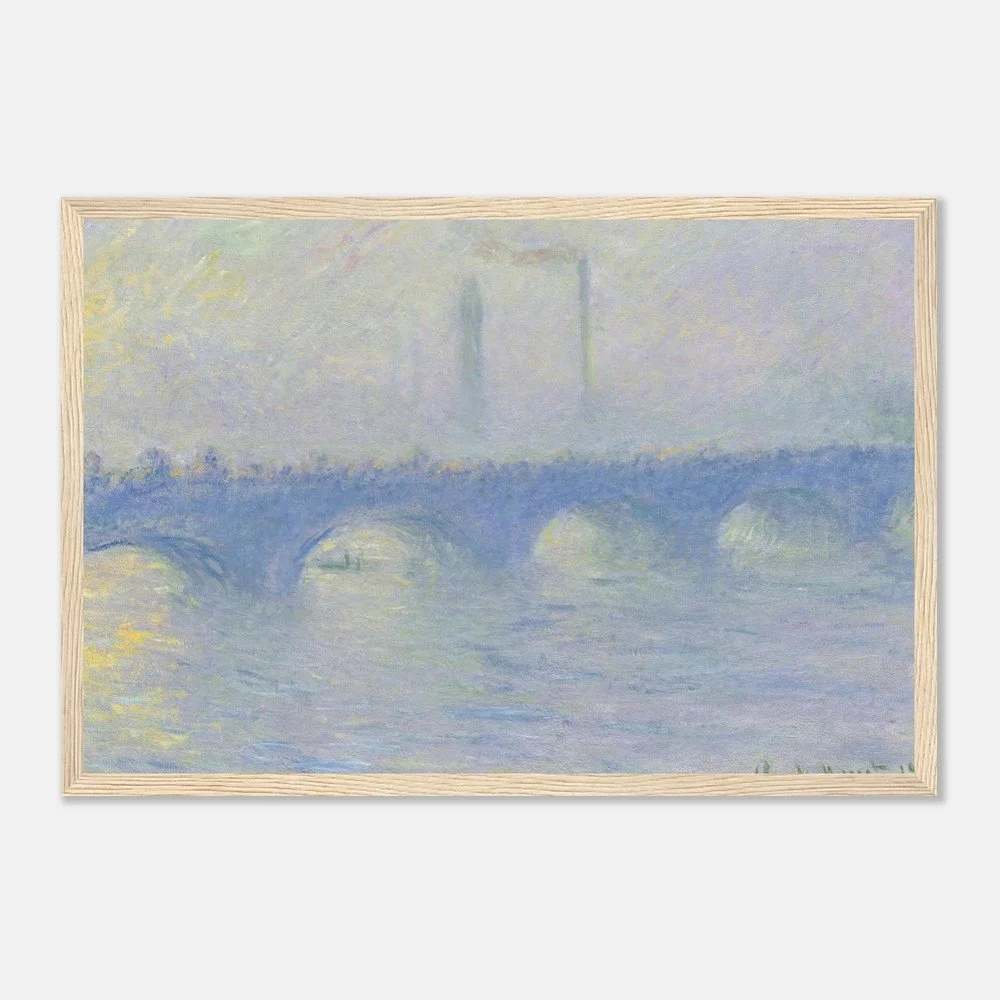 Image 8 of 26
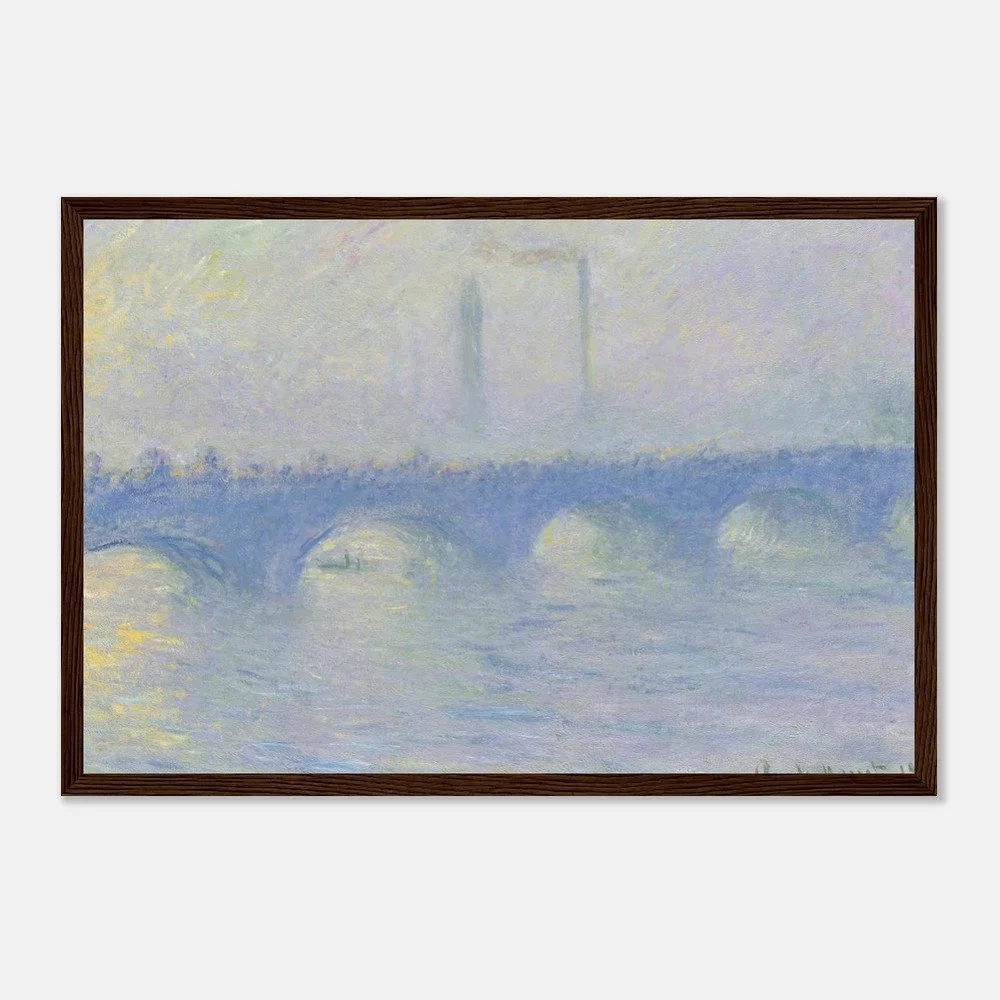 Image 9 of 26
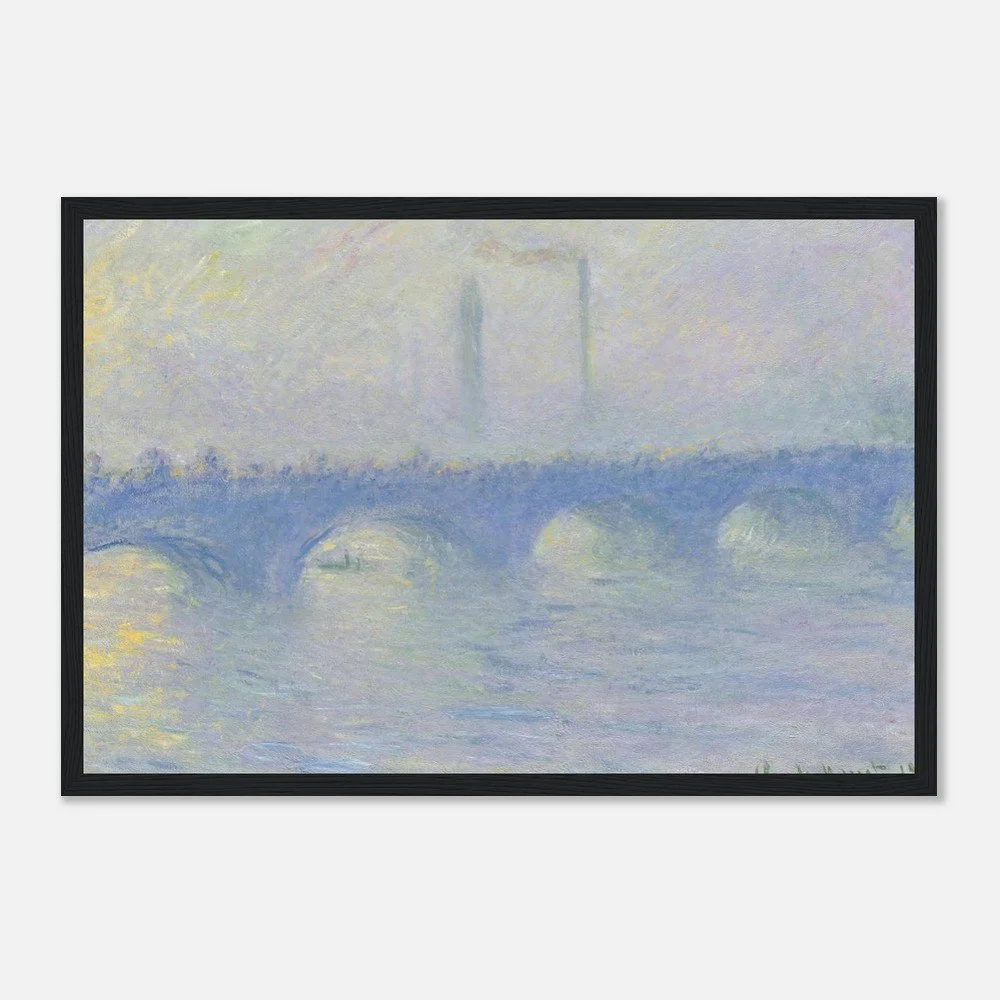 Image 10 of 26
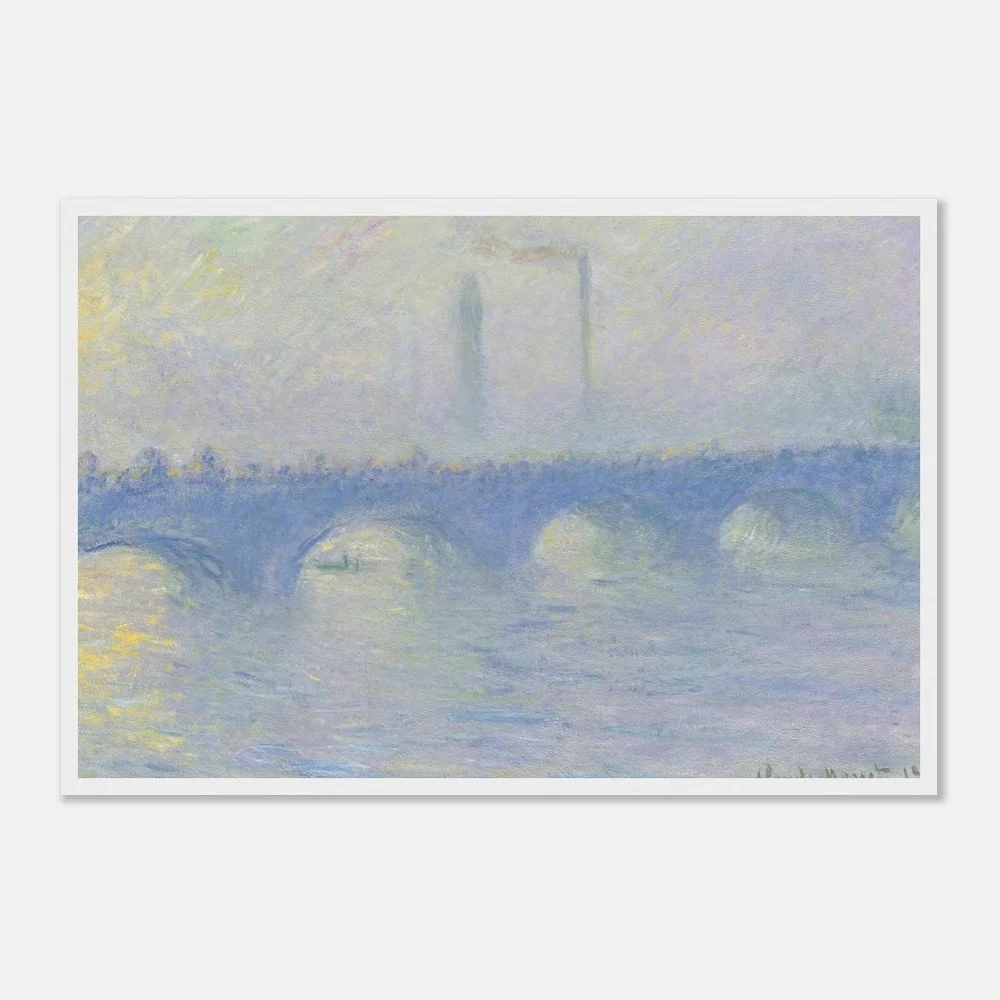 Image 11 of 26
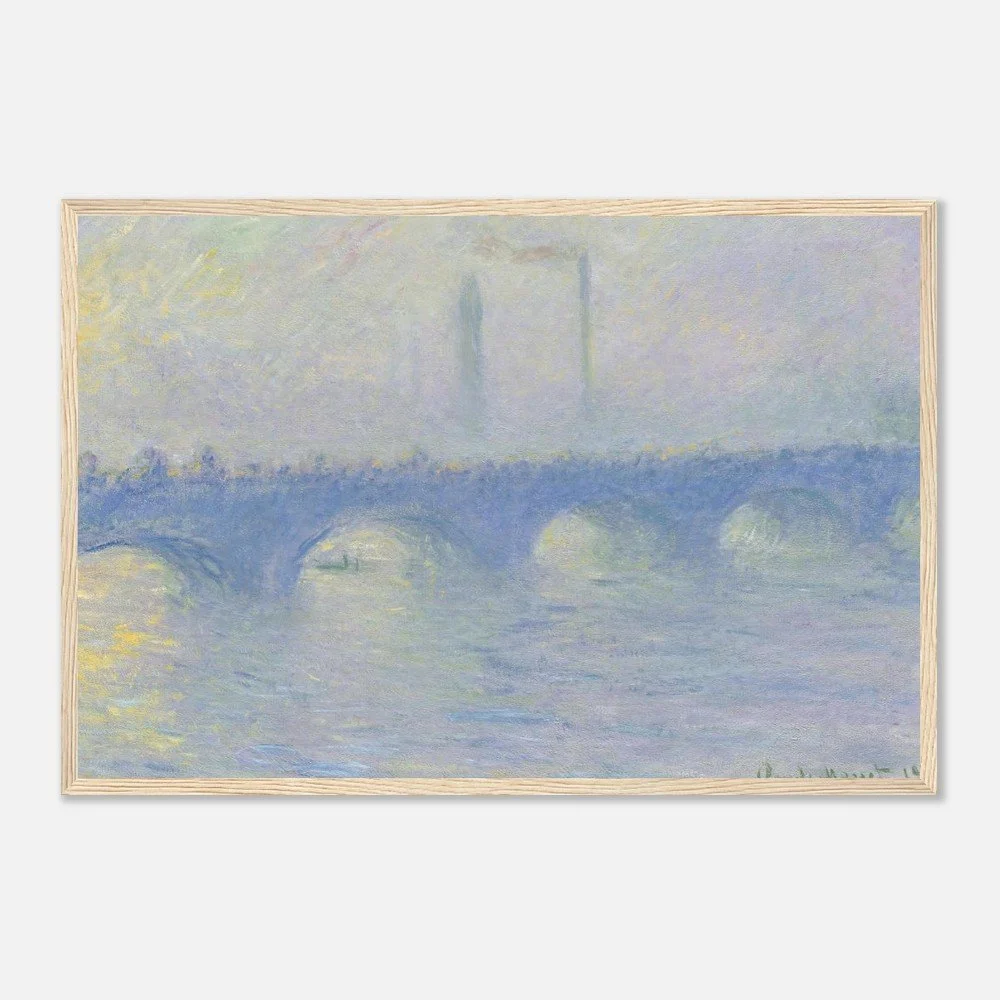 Image 12 of 26
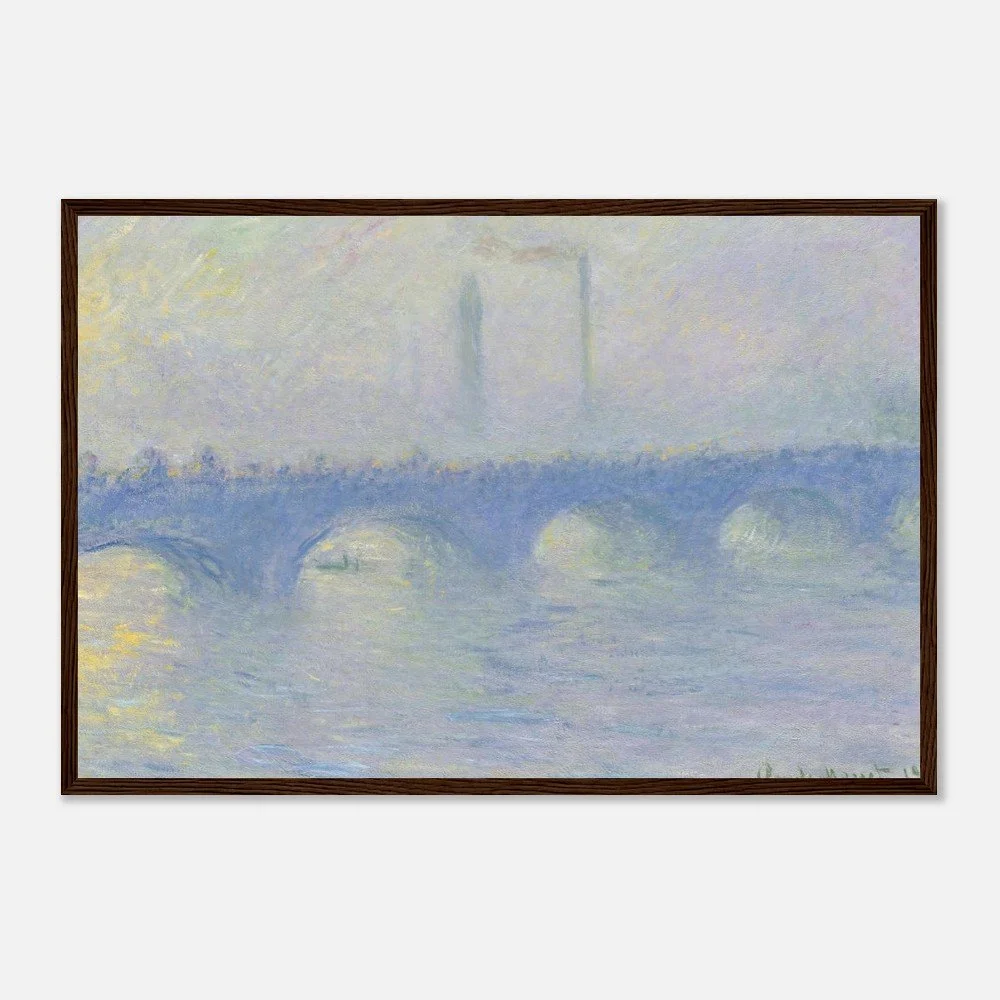 Image 13 of 26
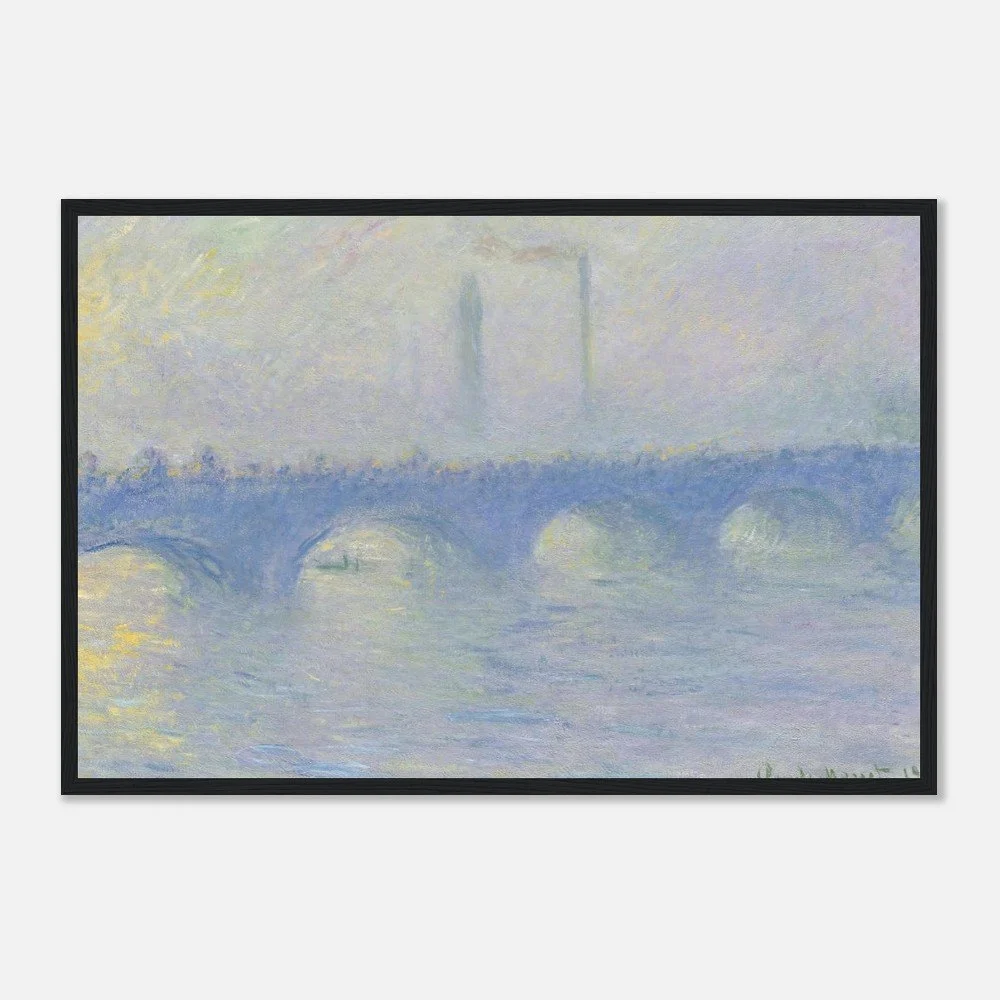 Image 14 of 26
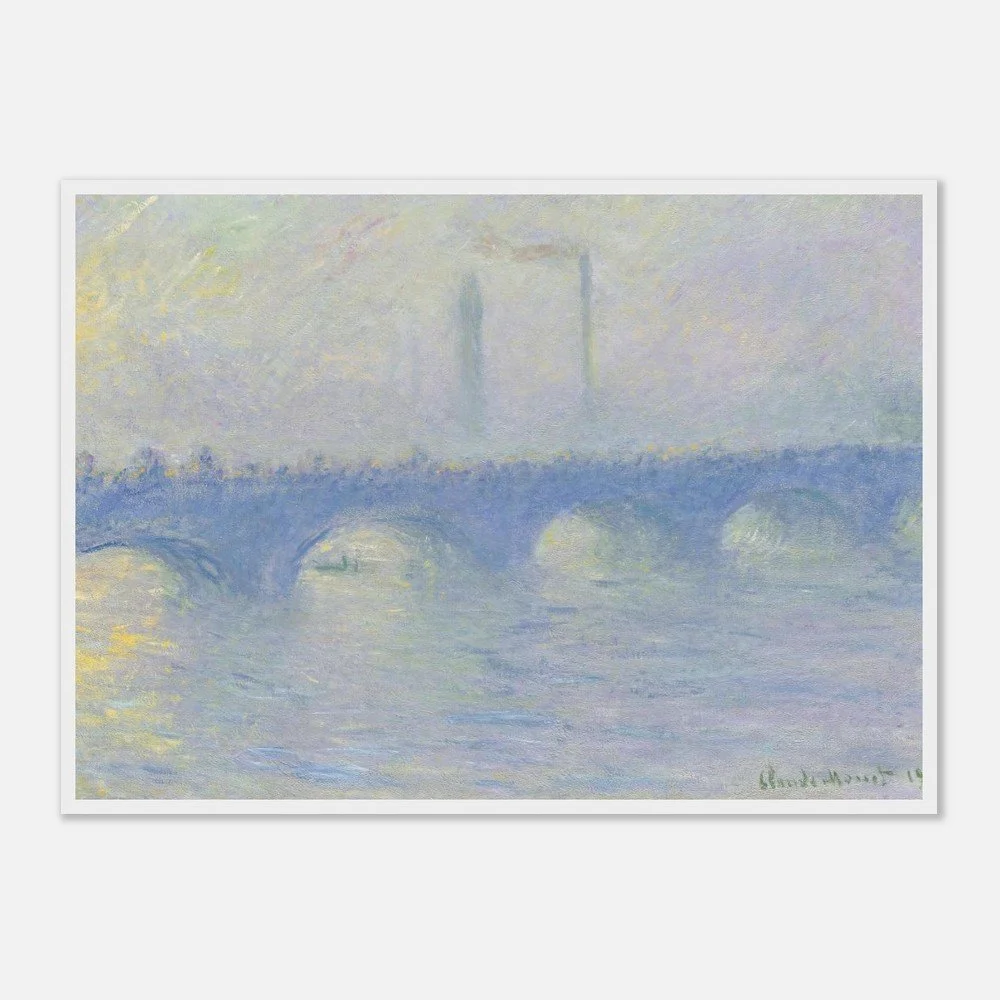 Image 15 of 26
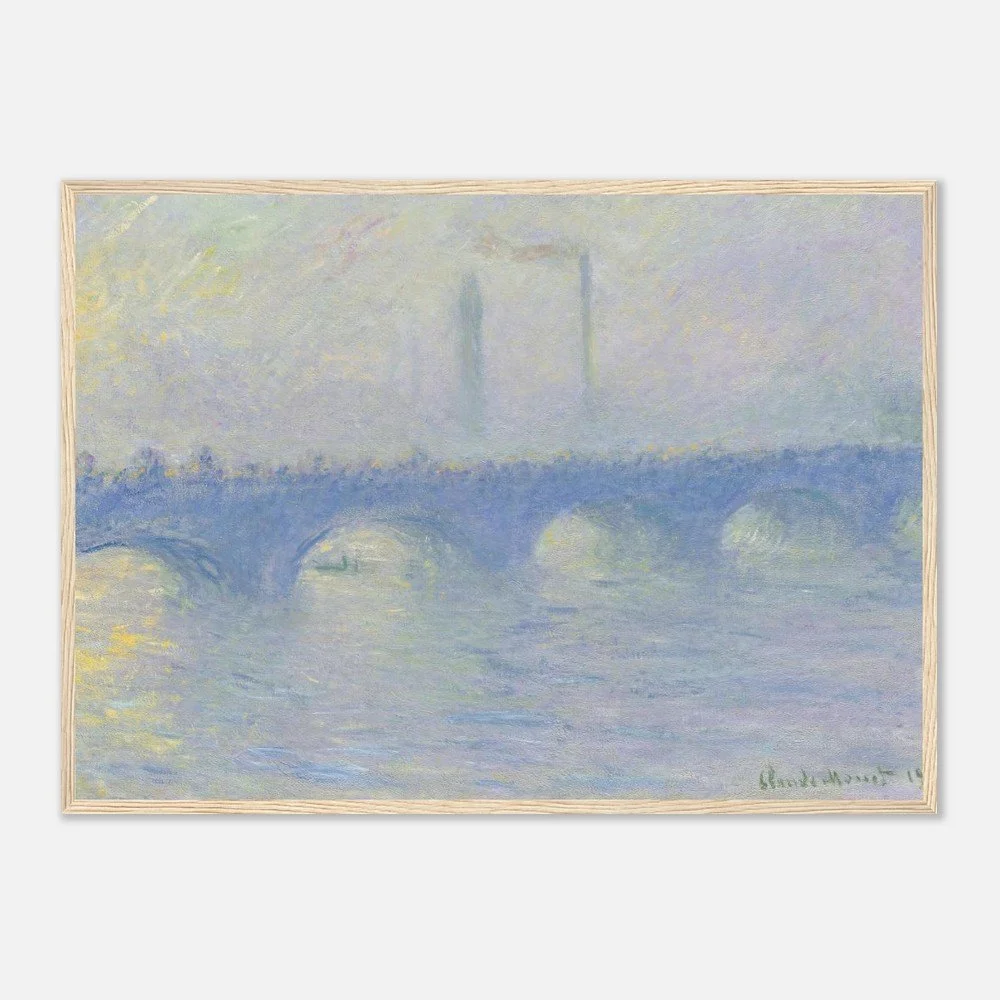 Image 16 of 26
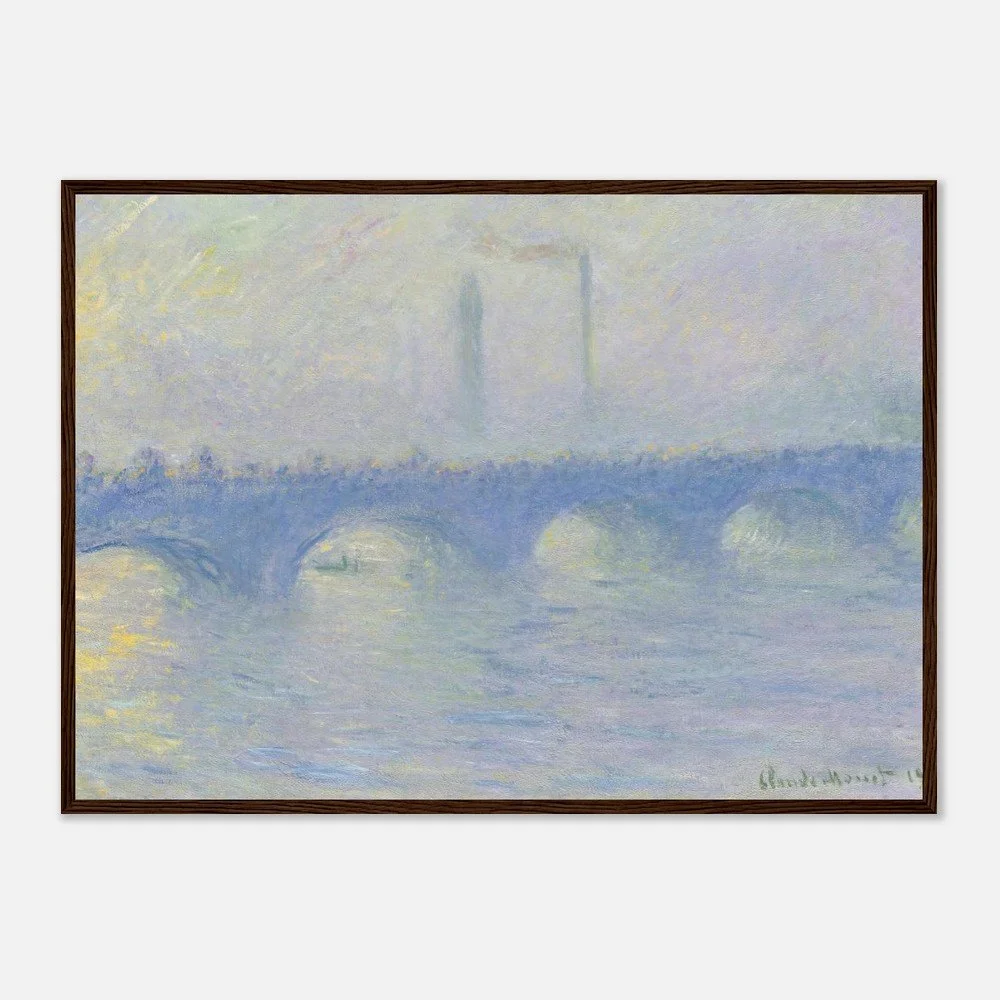 Image 17 of 26
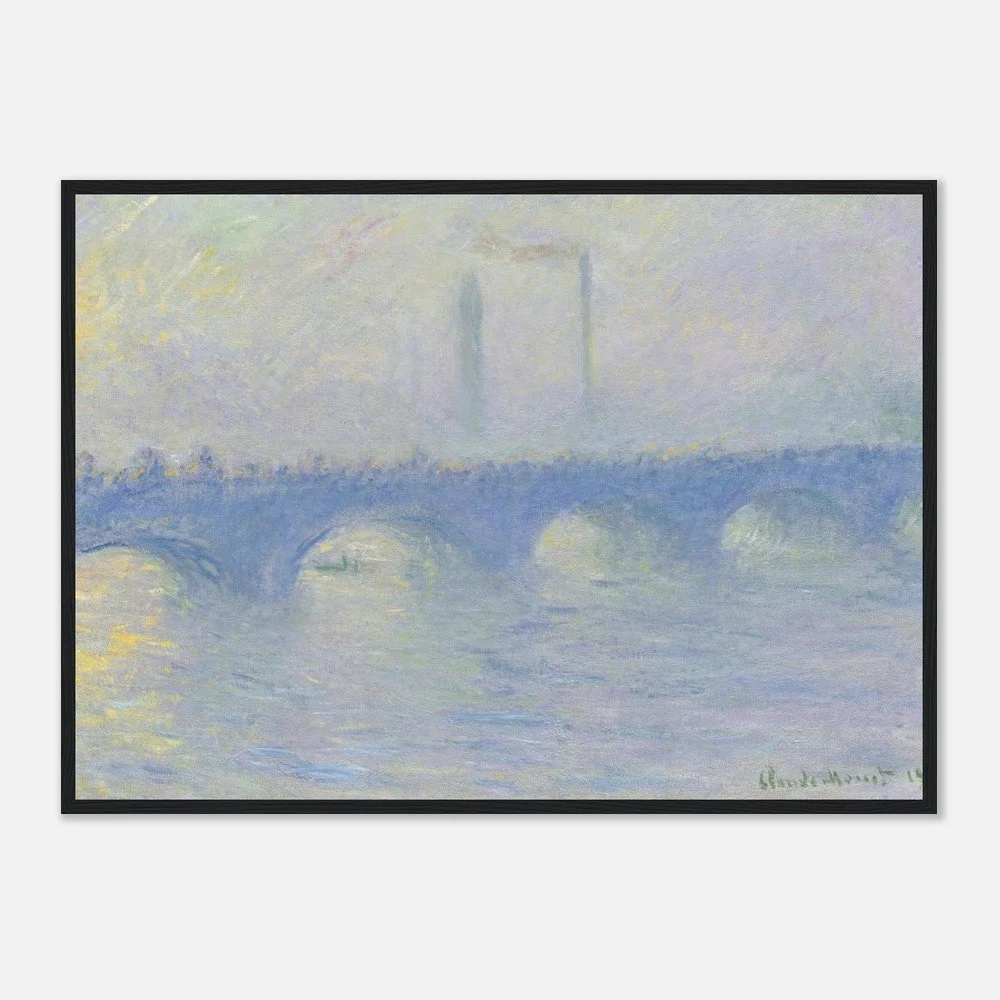 Image 18 of 26
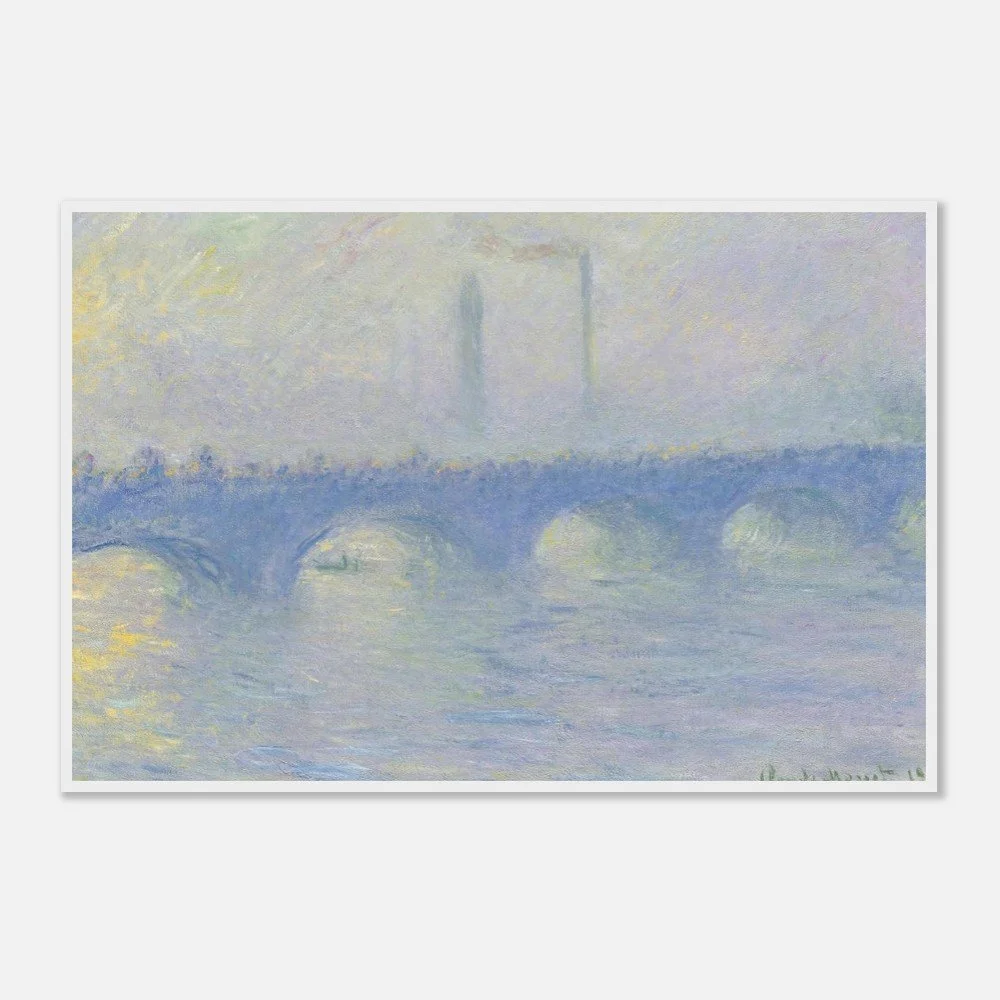 Image 19 of 26
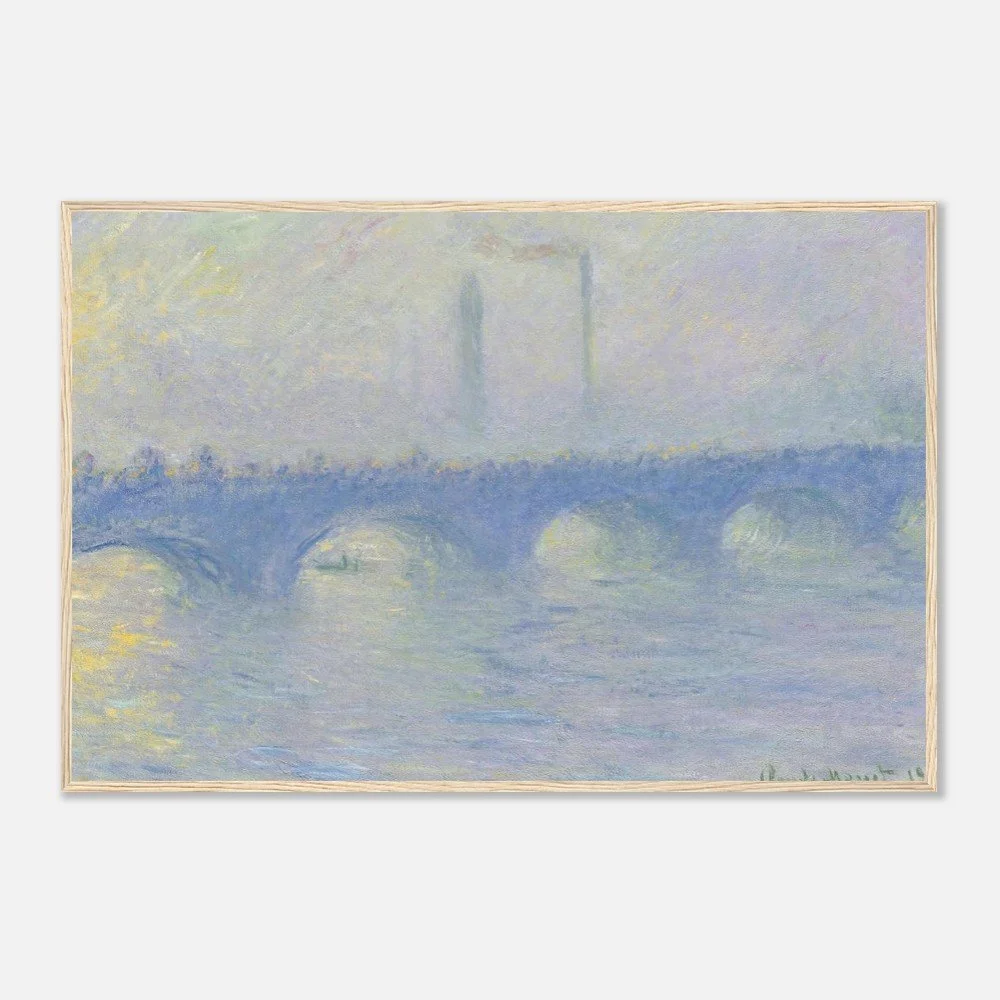 Image 20 of 26
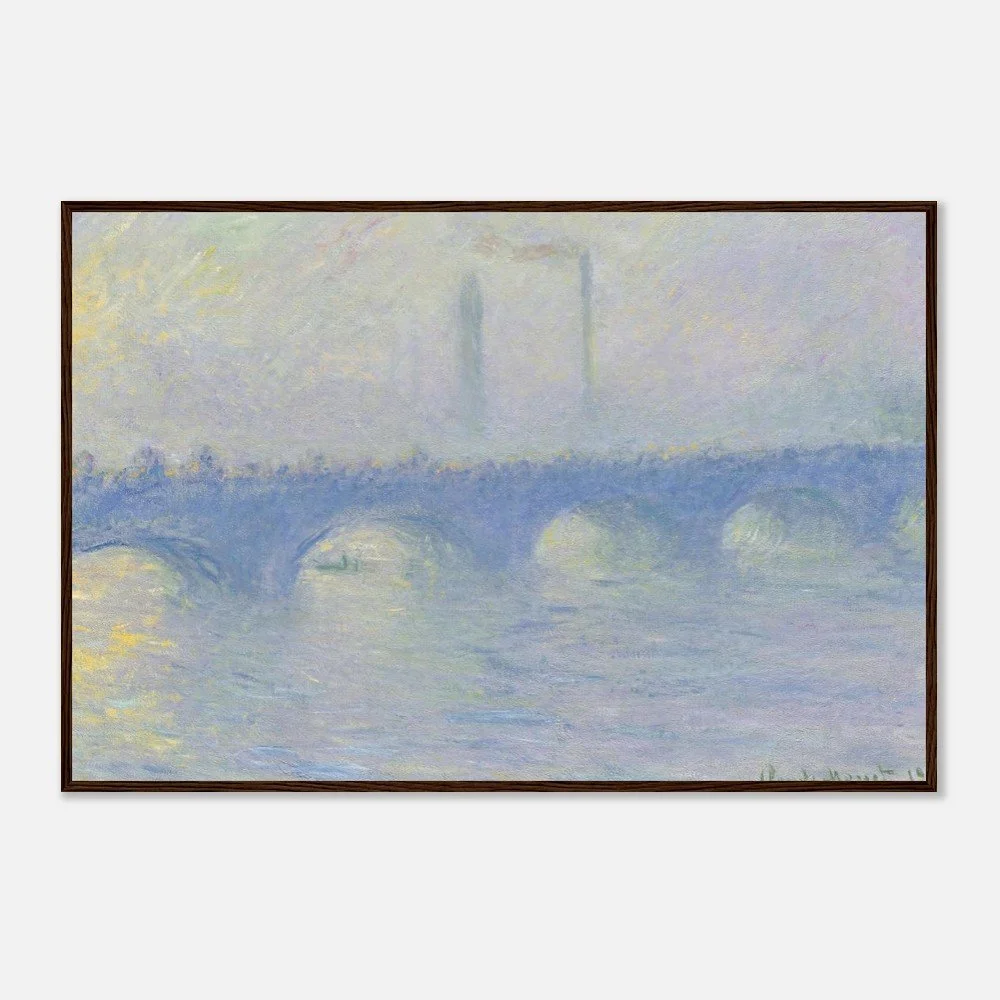 Image 21 of 26
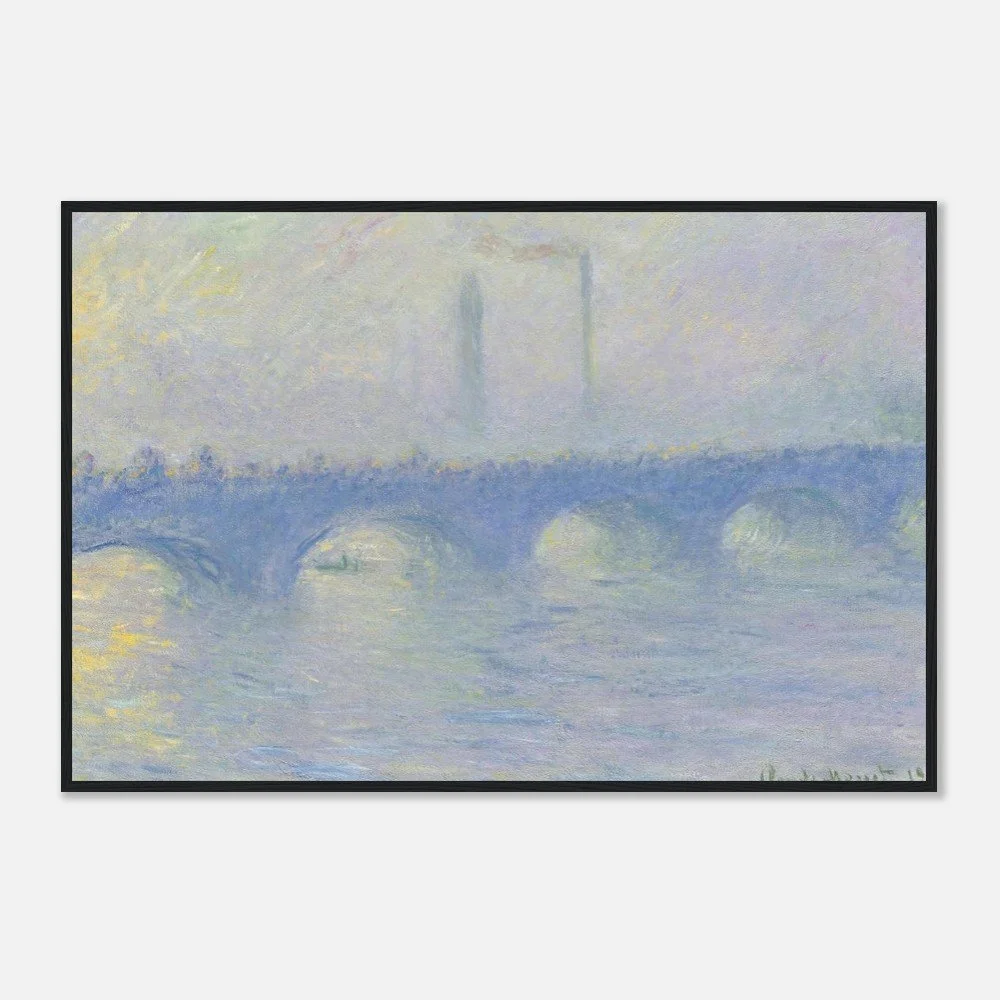 Image 22 of 26
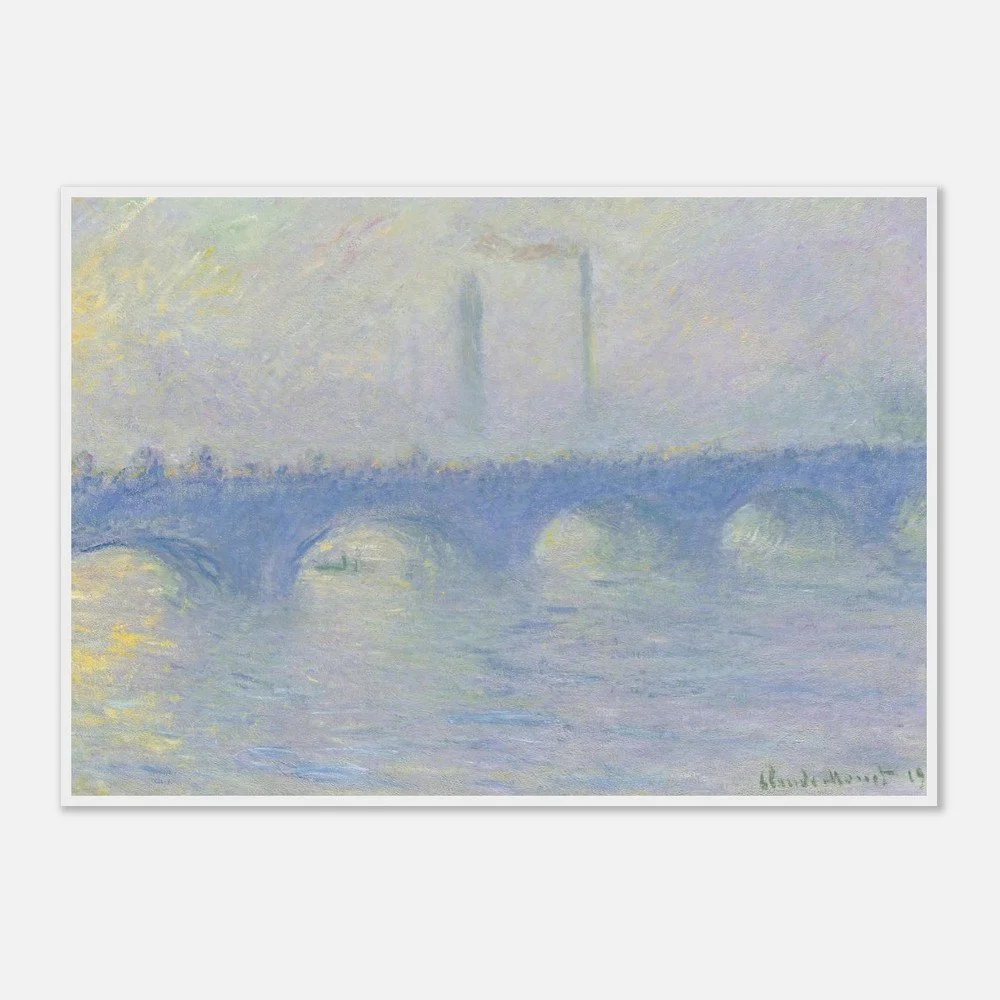 Image 23 of 26
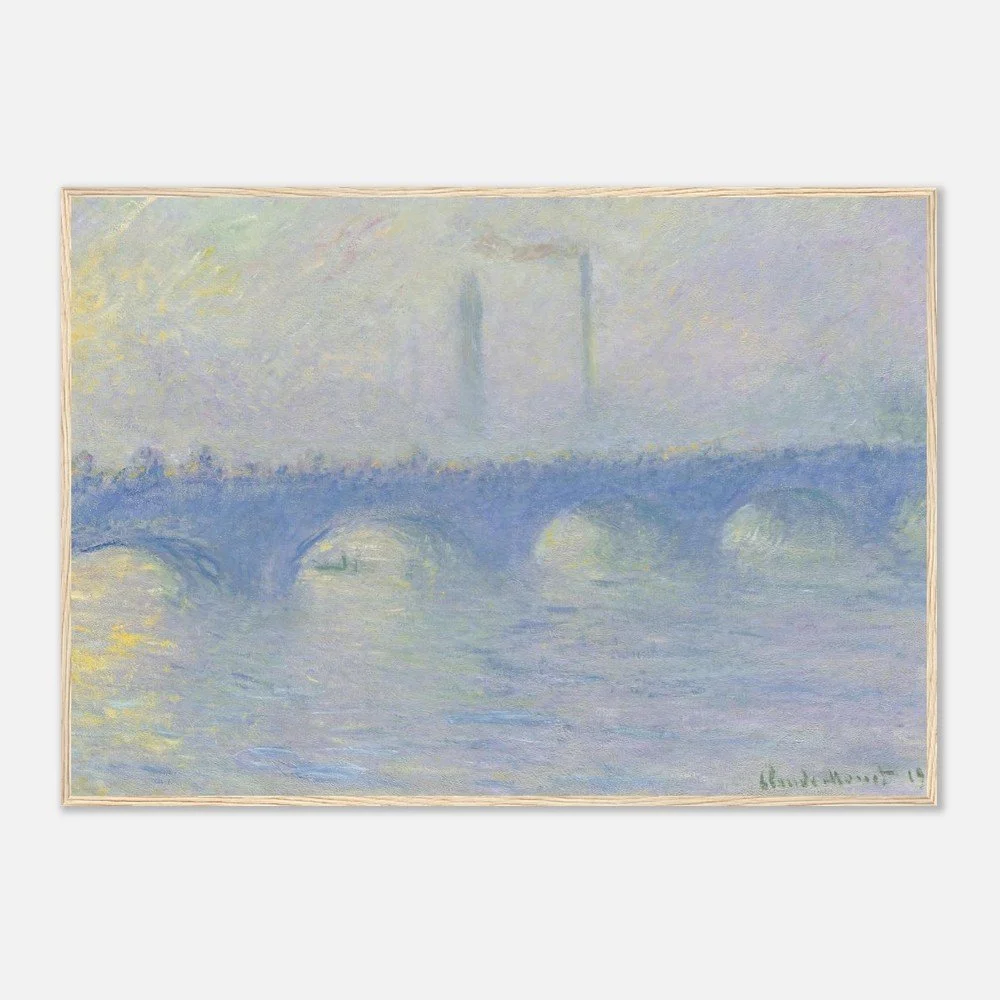 Image 24 of 26
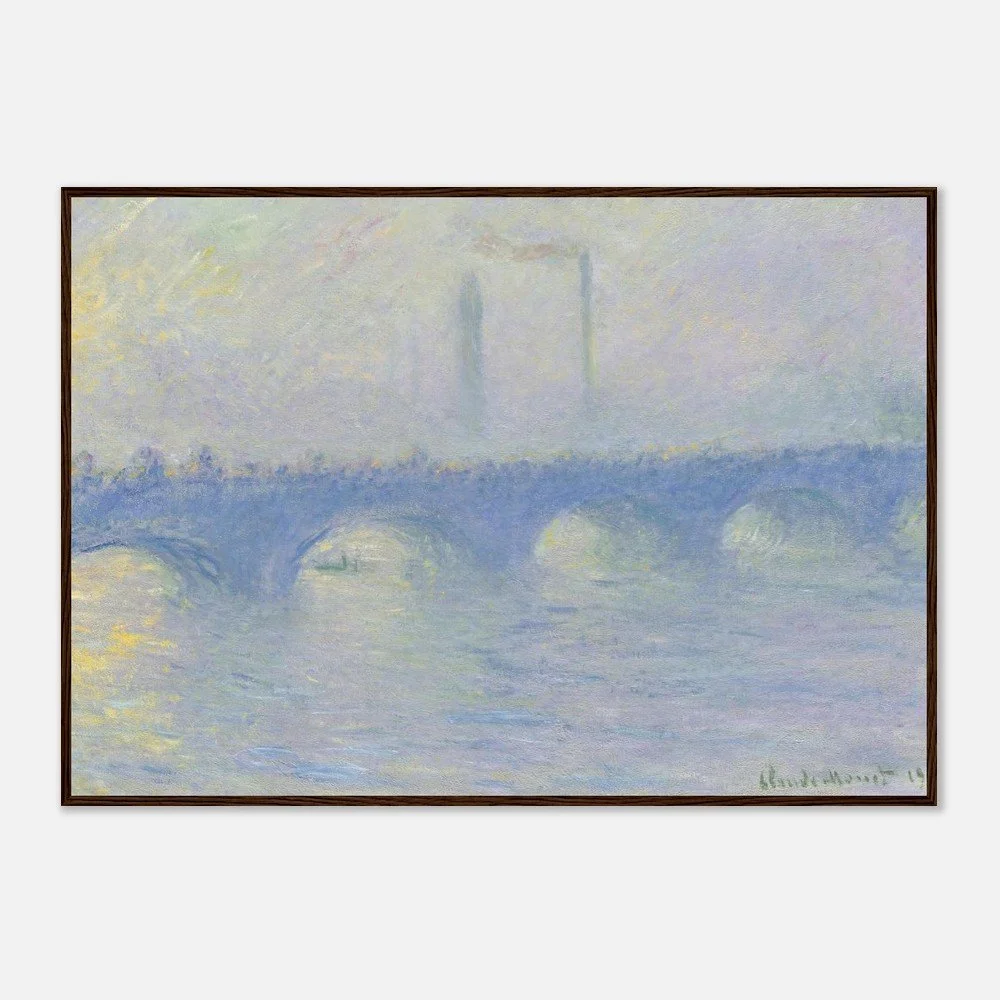 Image 25 of 26
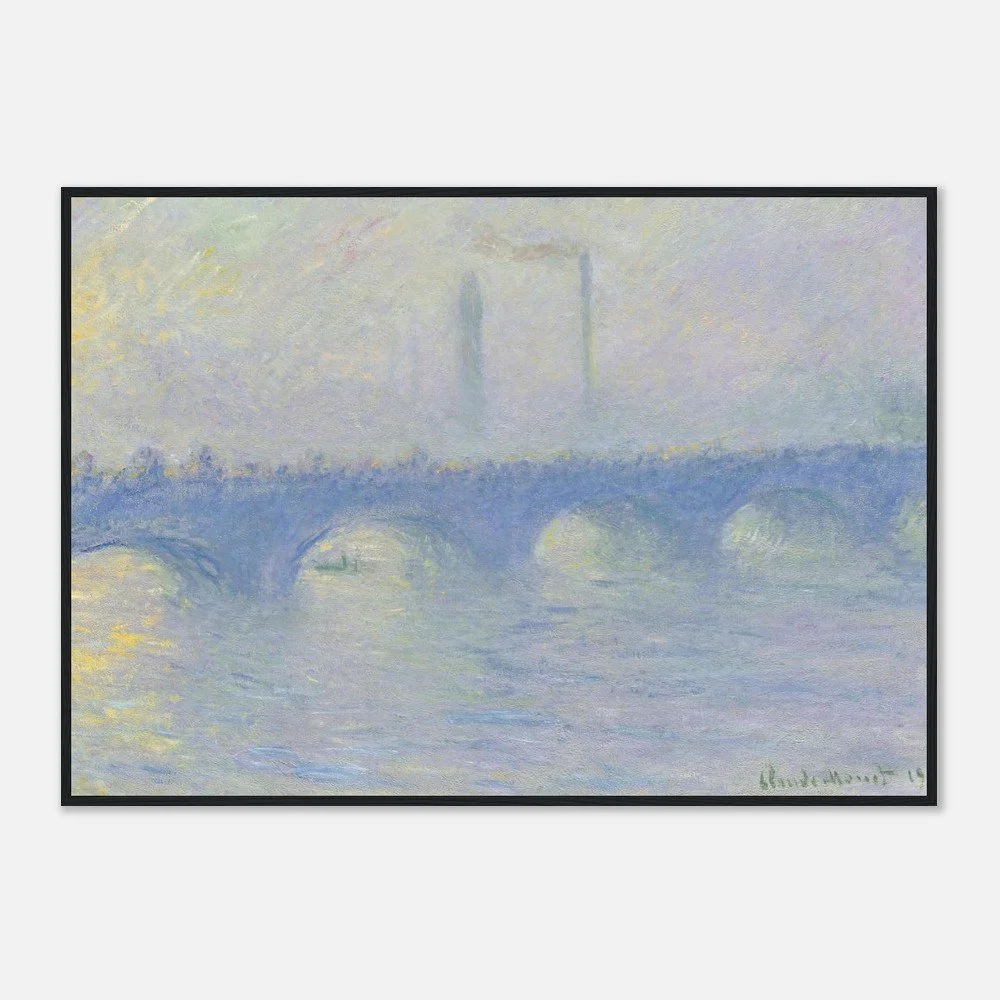 Image 26 of 26