Giorgio Morandi (1890–1964)
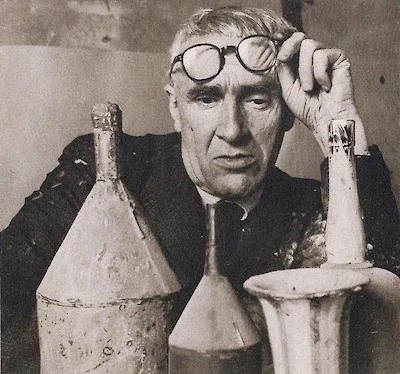
Giorgio Morandiwas born in Bologna, Italy, where he spent most of his life and rarely left his hometown. He studied at the Academy of Fine Arts of Bologna in the 1910s and later became a professor there.During World War I, Morandi briefly served in the military. After his discharge, he withdrew from the bustle of urban life, dedicating himself to painting quiet still lifes in his studio and the subtle landscapes seen from his window.
Artistic Style
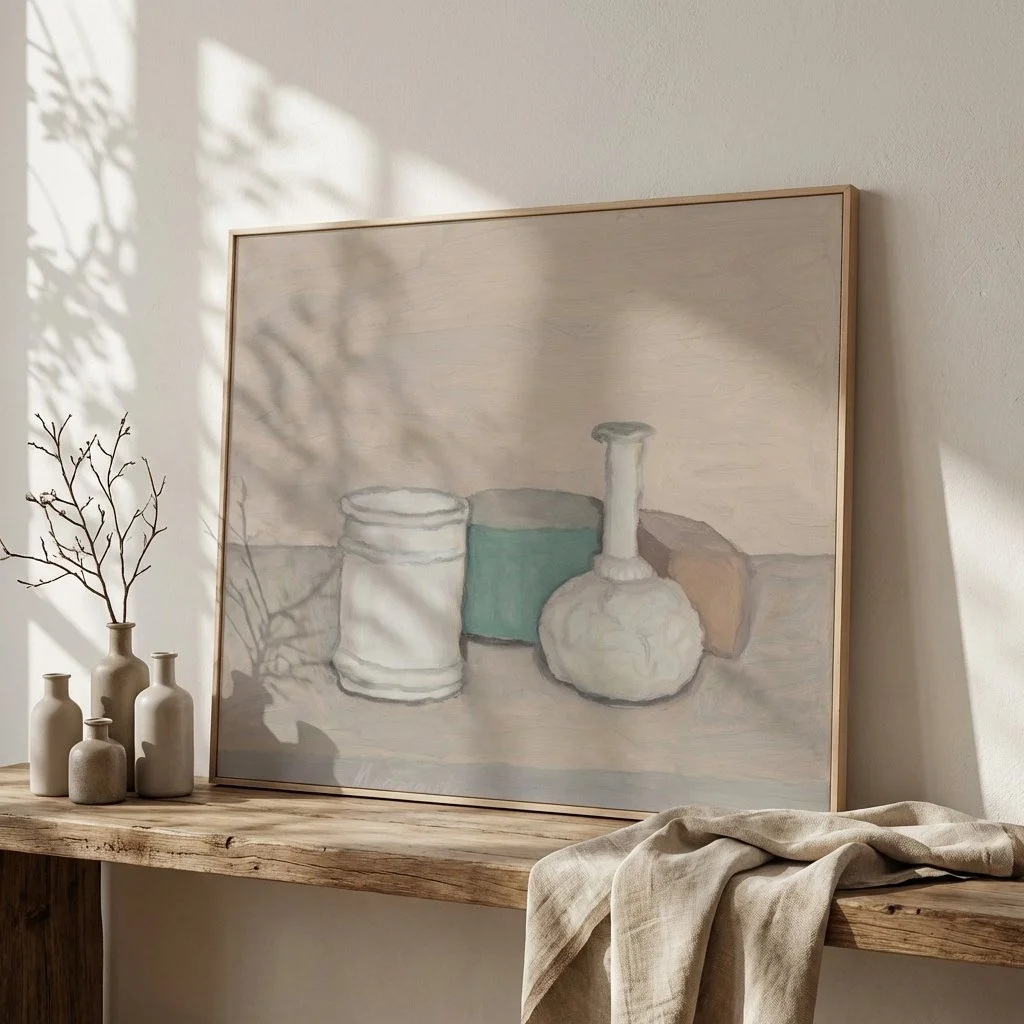
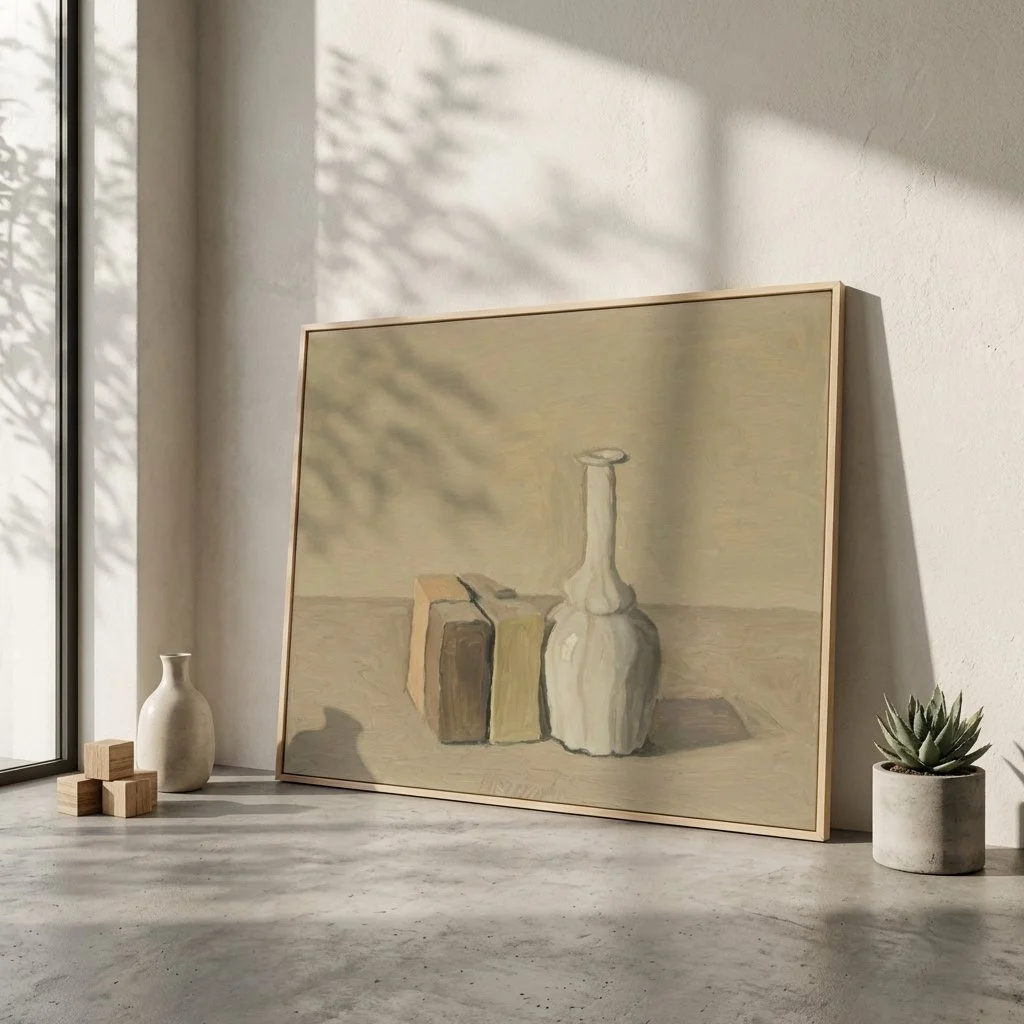
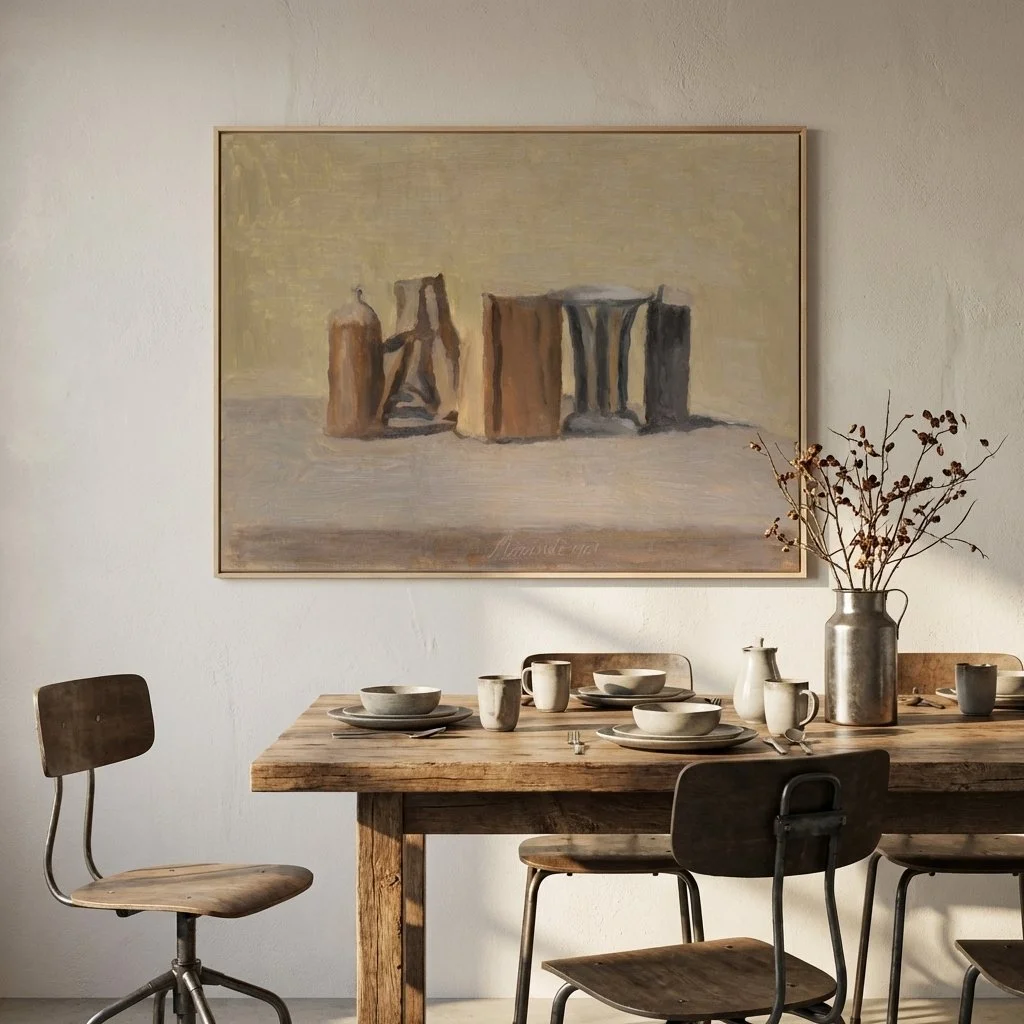
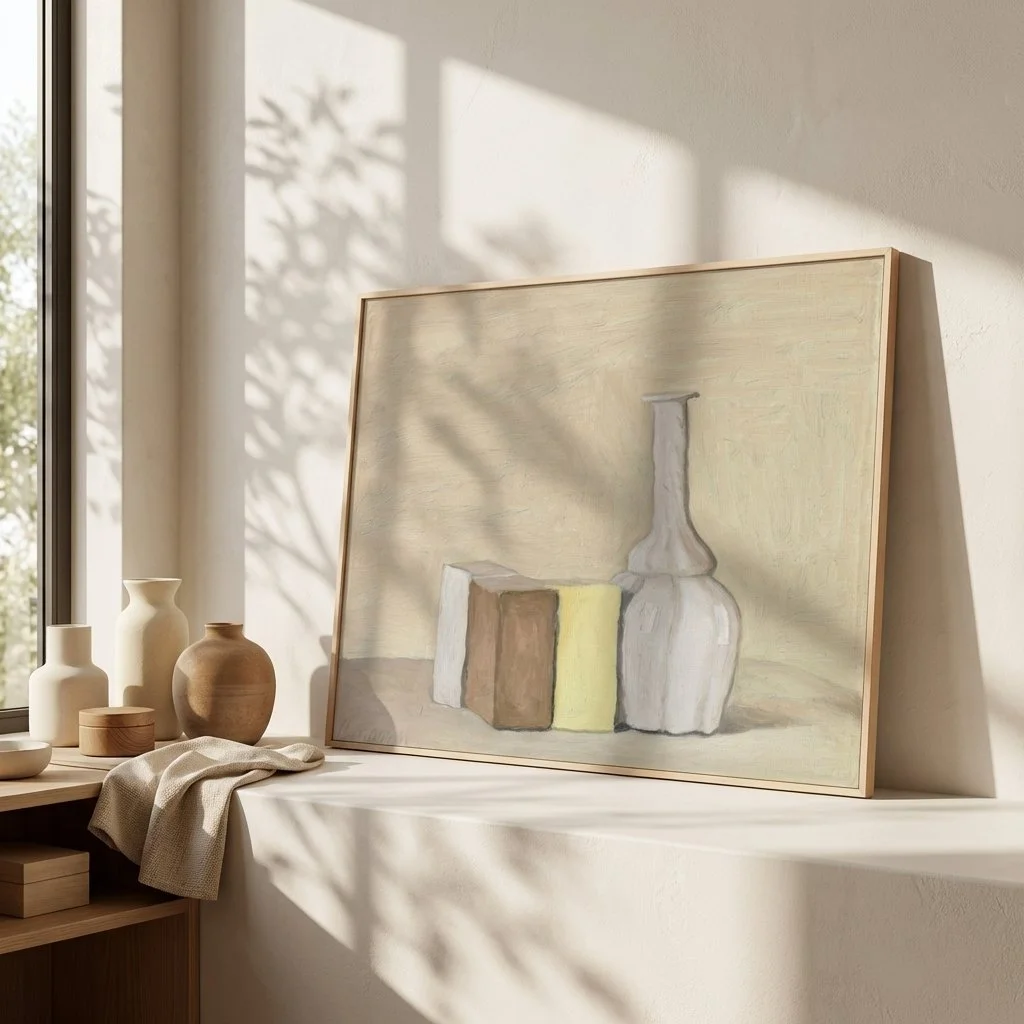
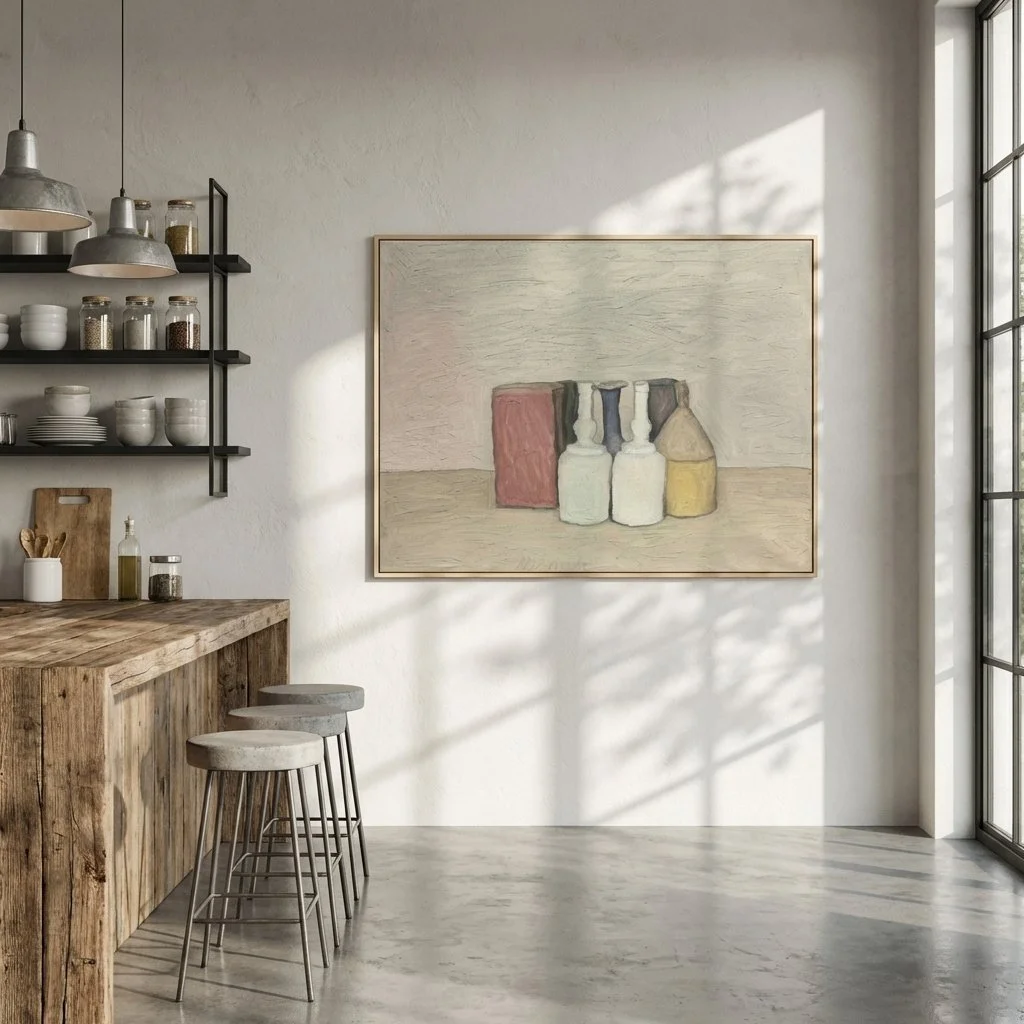
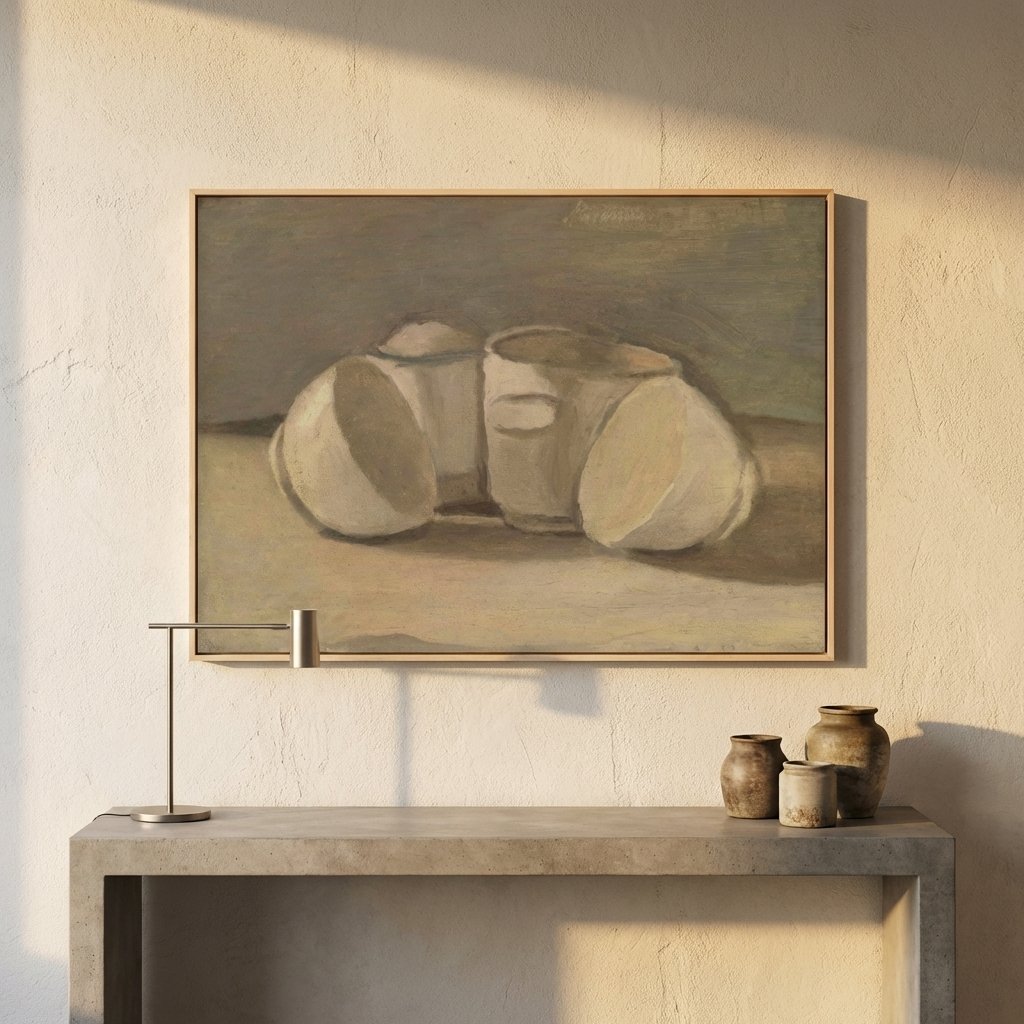
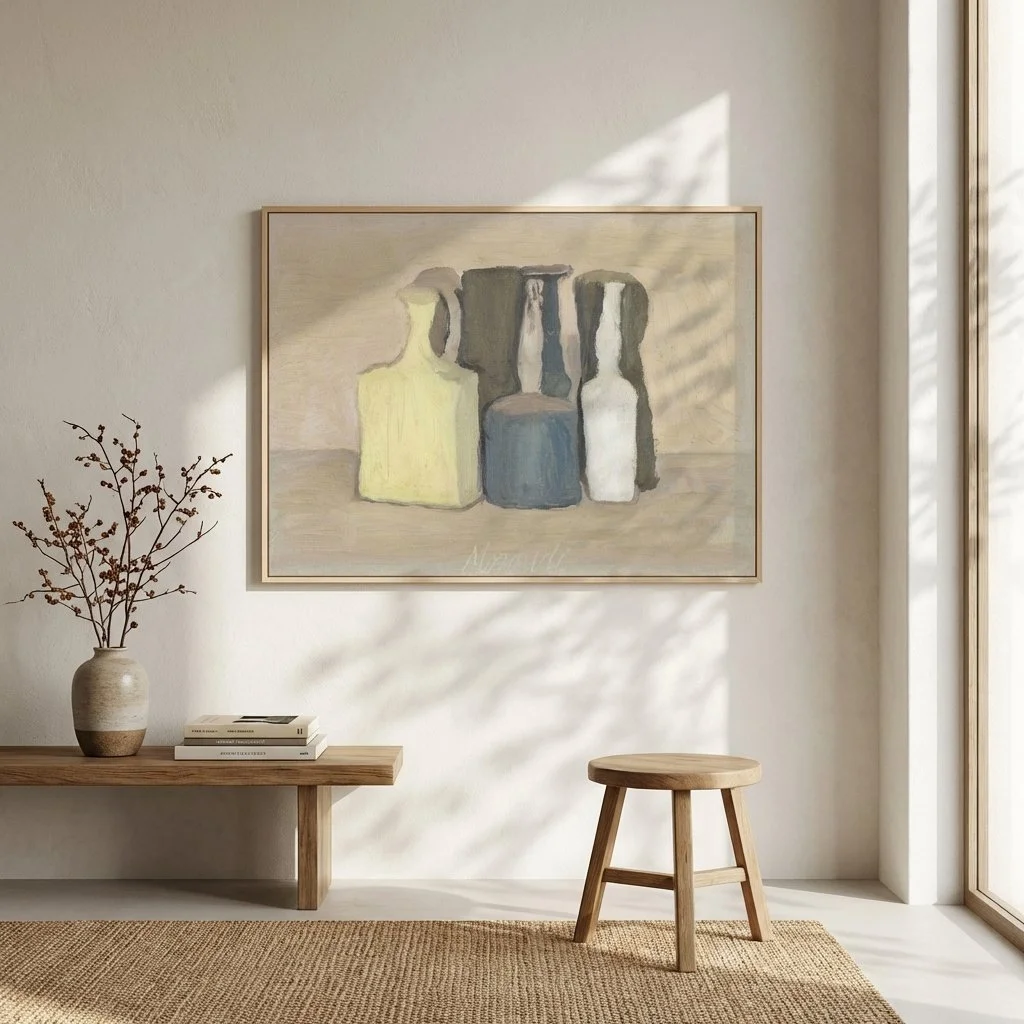
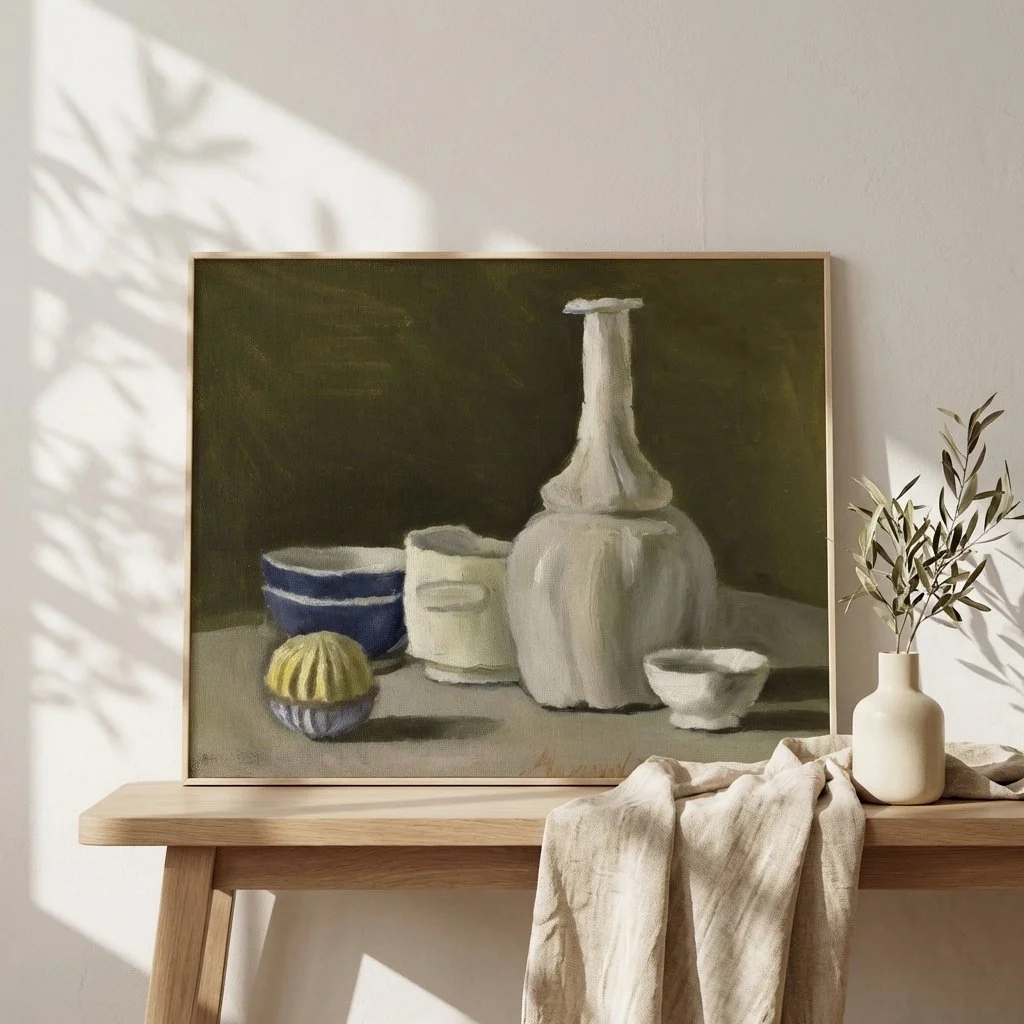
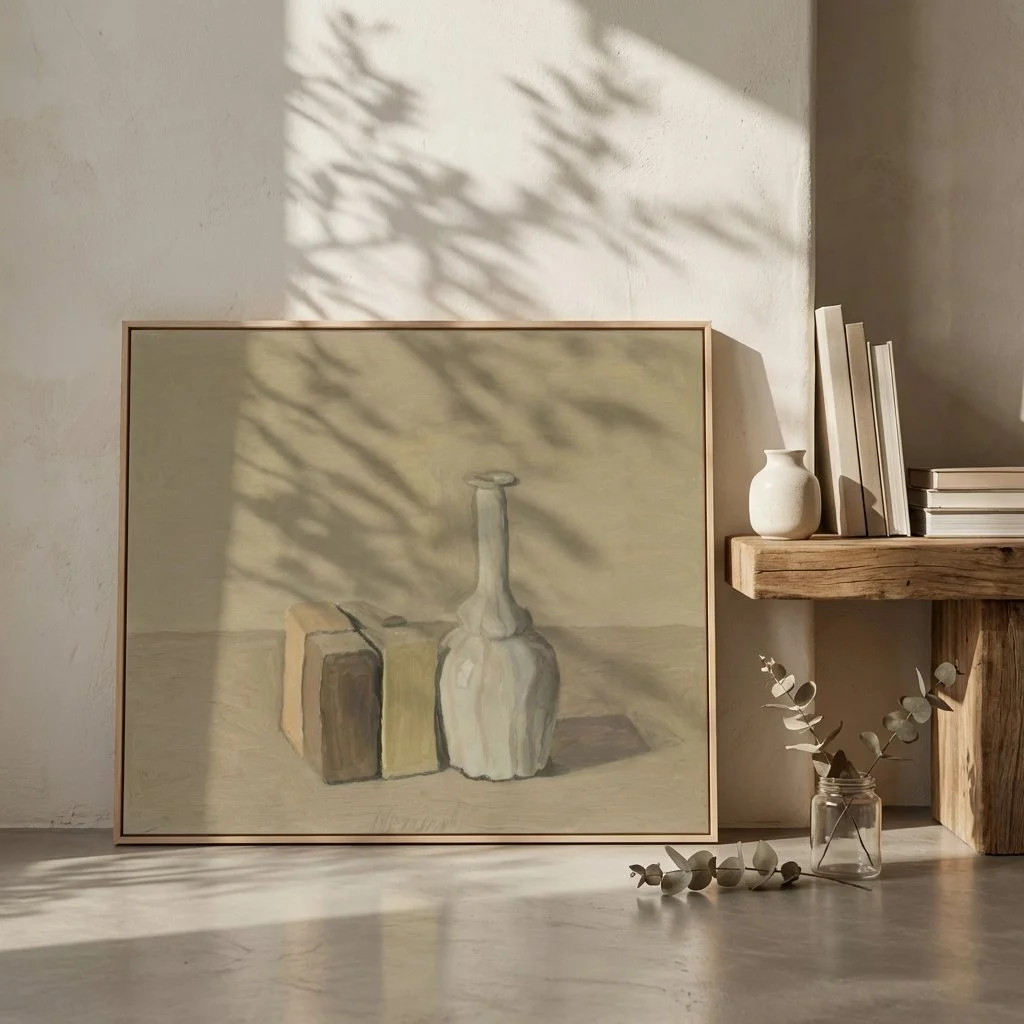
Morandi is best known for his reductive still lifes, often featuring bottles, jars, boxes, and simple vessels. He repeatedly arranged the same objects, exploring delicate variations in tone, the rhythm of light and shadow, and the tension of spatial relationships. Although he was briefly influenced by Metaphysical Painting and Cubism in his early years, by the 1920s he moved away from bold formal experimentation. Instead, he developed a restrained palette of soft grays, beiges, and earthy hues, creating compositions that evoke a meditative stillness. His subtle brushwork and quiet aesthetic are now regarded as precursors to Minimalism and Abstract art.
Market & Collecting
Morandi’s market is both stable and relatively scarce. His auction record reaches approximately USD 4.3 million, placing him among the major modern masters of the 20th century. In recent years, average auction prices have ranged between USD 70,000 and 100,000. A slight adjustment in 2024 suggests that collectors tend to hold his works long-term, contributing to the market’s stability.
Influence & Legacy
Often described as a “hermit of the studio,” Morandi’s deeply introspective approach has influenced later Minimalist artists such as Agnes Martin and various conceptual artists. Critics frequently compare his paintings to poetry—not narrative, but a condensation of rhythm and breath. In the often dynamic and disruptive history of modern art, Morandi carved out a quiet yet enduring space for stillness.
Through the simplest bottles and the most restrained palette, Morandi proved that the ordinary can embody profound depth and timelessness.