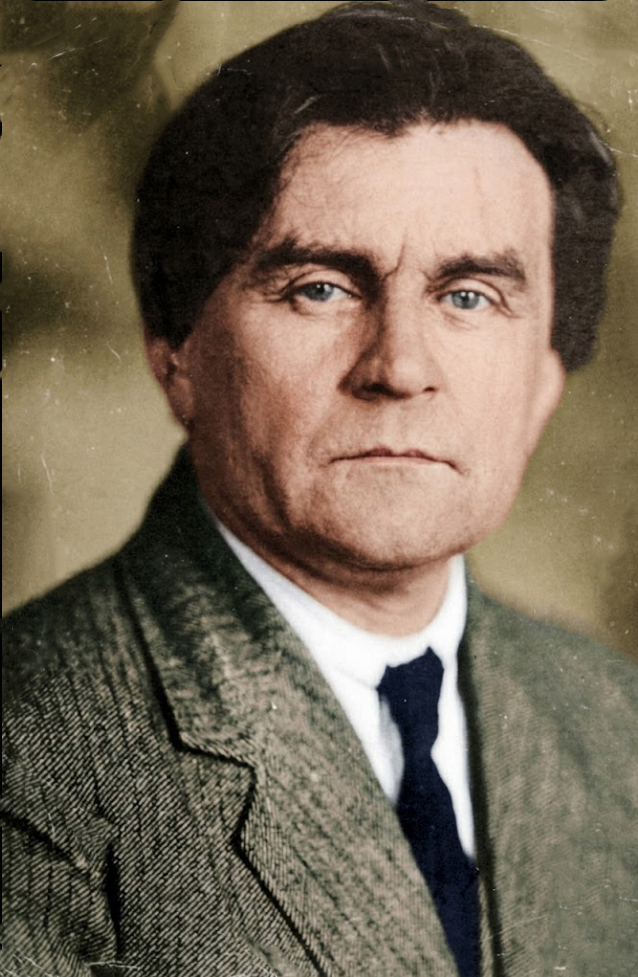
Kazimir Malevich (1879–1935)
was a pioneering Russian avant-garde artist and art theorist, best known as the founder of Suprematism—one of the earliest and most radical movements in abstract art.
Pioneer of Pure Abstraction: Malevich drastically shifted the course of modern art by completely abandoning the depiction of the real world, such as landscapes, figures, or objects. Instead, he reduced art to its most basic, pure geometric forms, primarily focusing on squares, circles, and crosses.
The Philosophy of Suprematism: He coined the term "Suprematism" to describe his belief in the "supremacy of pure feeling or perception in the pictorial arts." He argued that art should not serve religion, the state, or document history, but should exist independently to evoke spiritual and emotional responses through pure color and geometry floating in an infinite white void.
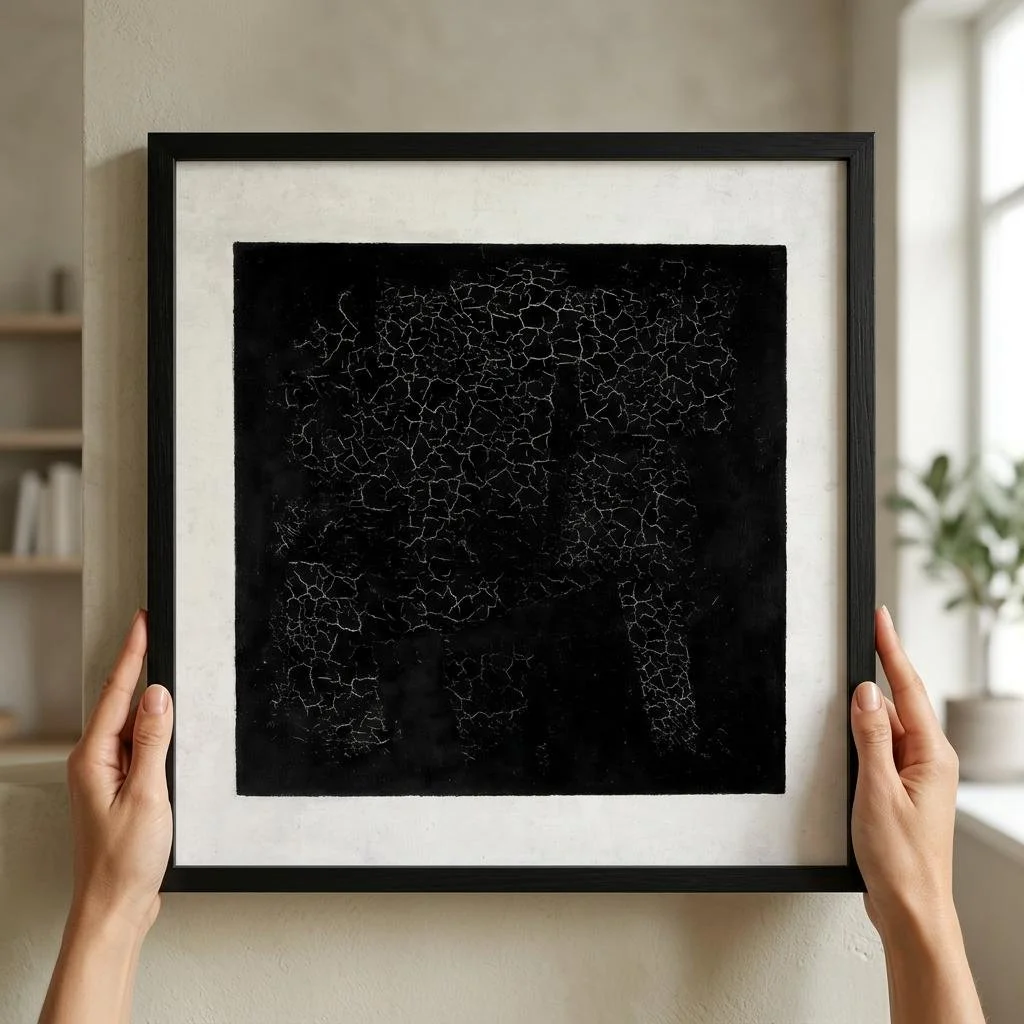
Iconic Masterpieces: His most famous and revolutionary work is the "Black Square" (1915). It is considered a massive turning point in art history, often referred to as the "zero point of painting." Another major milestone is "White on White" (1918), which pushed abstraction to its absolute visual limits.
Enduring Legacy: Malevich's radical ideas dismantled centuries of traditional artistic conventions. His work laid the fundamental groundwork for the development of abstract art, minimalism, and modern geometric design in the 20th century and beyond.