JosefAlbers (1888–1976)
Master of Color and Form
Early Life and the Bauhaus Heritage
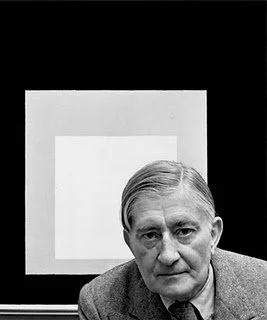
Josef Albers (1888–1976) was a German-born American artist and educator who stands as one of the most influential figures of 20th-century modernism. His journey began at the prestigious Bauhaus in Germany, where he transitioned from a student to a "Master," deeply absorbing the school's ethos of experimental craftsmanship and functional design. Following the closure of the Bauhaus under Nazi pressure in 1933, Albers emigrated to the United States. There, he became a pivotal bridge between European modernism and American art, heading the art department at Black Mountain College and later leading the Department of Design at Yale University.
The Philosophy of Color: "Homage to the Square"
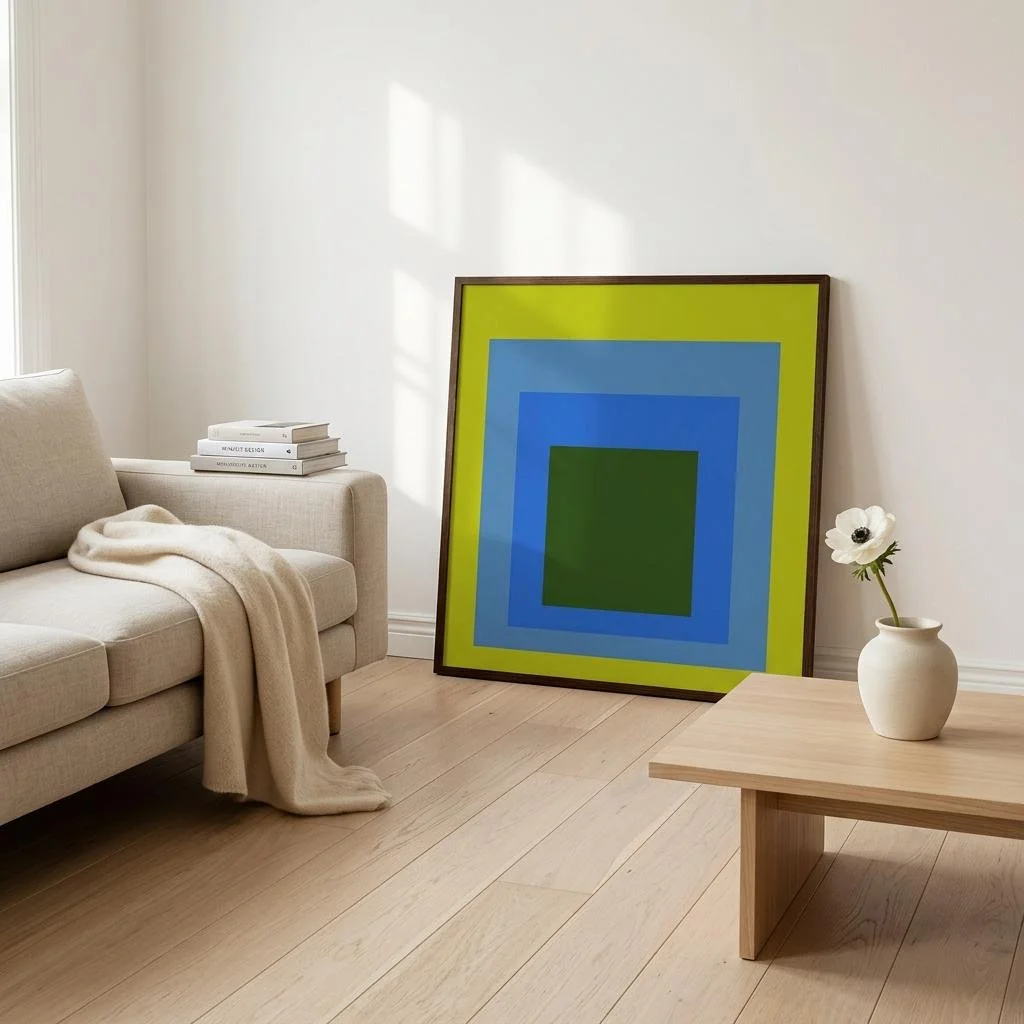
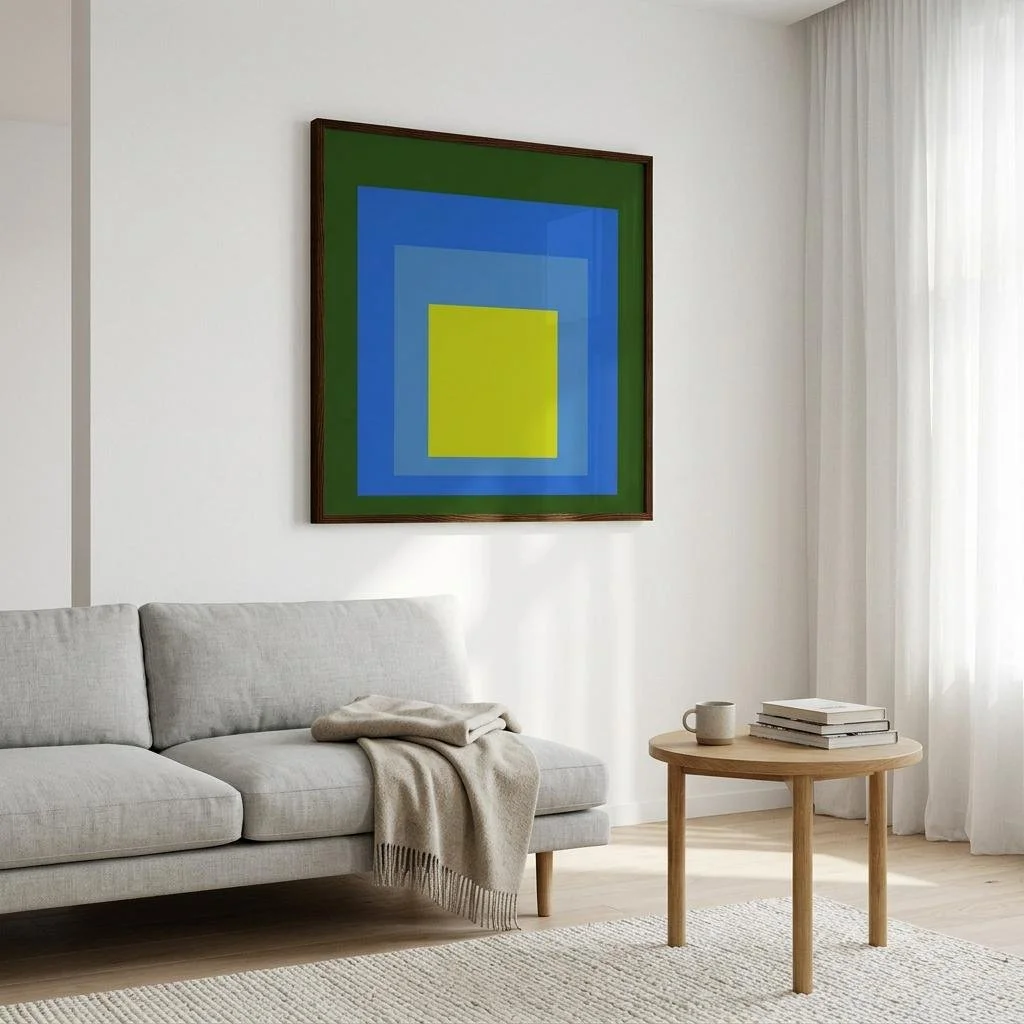
Albers is best known for his rigorous, decades-long series titled "Homage to the Square". In these works, he utilized a standardized format of nested squares to serve as a laboratory for his primary interest: the relativity of color. Albers famously argued that color is the most relative medium in art, asserting that a single hue can change completely depending on its surrounding colors. By removing representational subject matter, he forced viewers to focus entirely on how colors interact, vibrate, and create optical illusions of depth or movement on a flat surface.
Educational Legacy and "Interaction of Color"
Beyond his canvas, Albers revolutionized art education through his belief that "doing comes before expression". His seminal book, Interaction of Color (1963), remains a foundational text for artists, designers, and scientists worldwide, detailing his experiments in visual perception. He taught his students not to look at art as a static object, but as a dynamic physiological experience. His legacy as a pioneer of Geometric Abstraction and a teacher to generations of influential artists—including Robert Rauschenberg and Cy Twombly—solidifies his place as a cornerstone of modern visual culture.