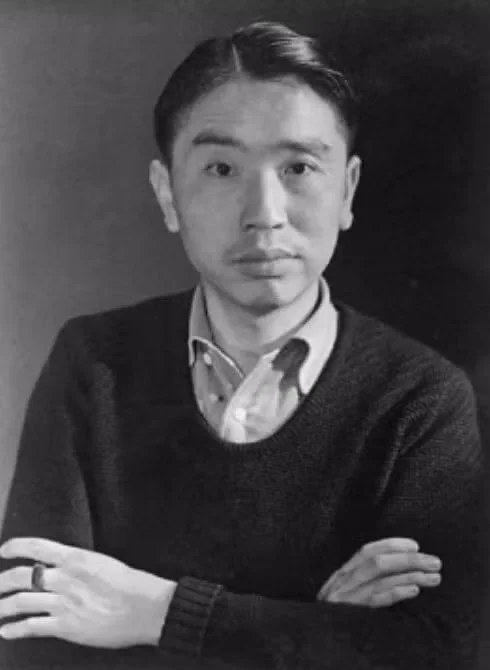
Sanyu (Chang Yu, 1895/1901–1966)
was a pivotal figure of Chinese modern art and is often associated with the School of Paris—bridging the rhythm of Eastern calligraphy with the language of Western modernism.
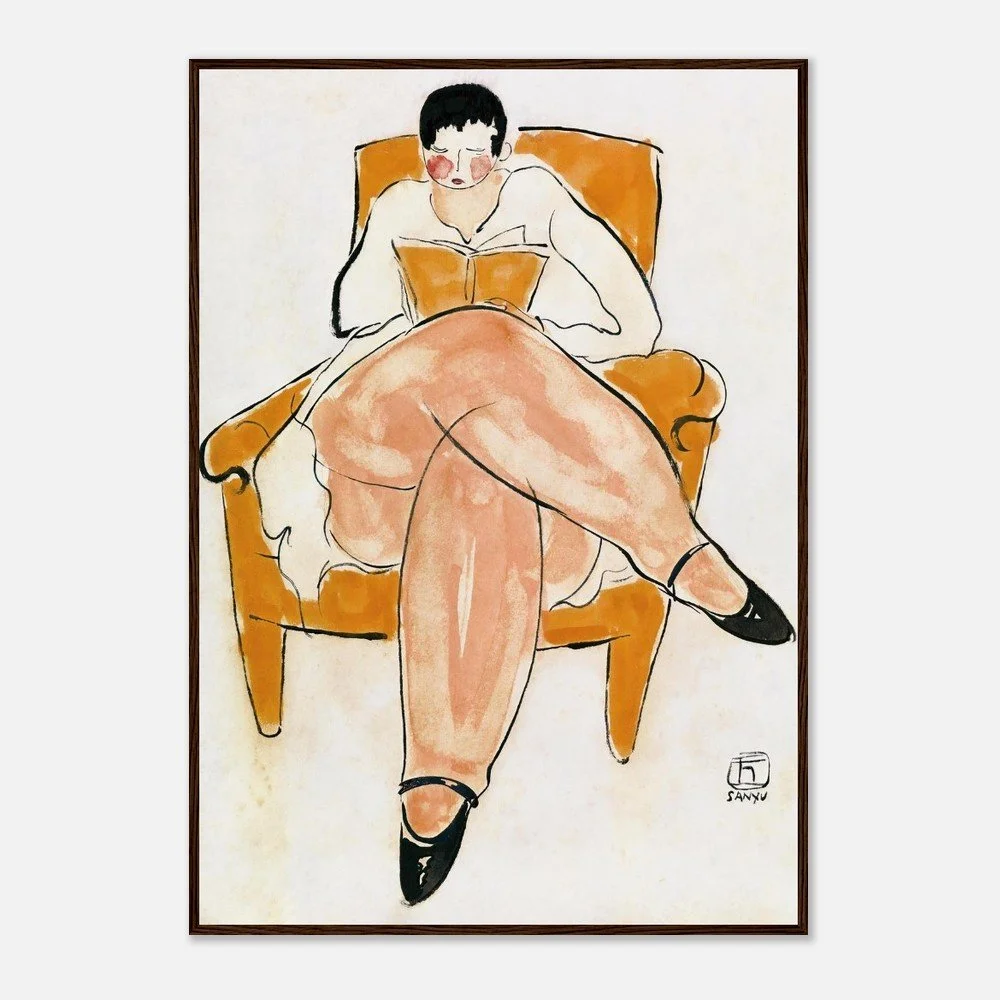
Based in Paris from the early 1920s, Sanyu gravitated toward the free-spirited atmosphere of Montparnasse and studied in the less academic environment of the Académie de la Grande Chaumière, where he developed his signature, fluid line.
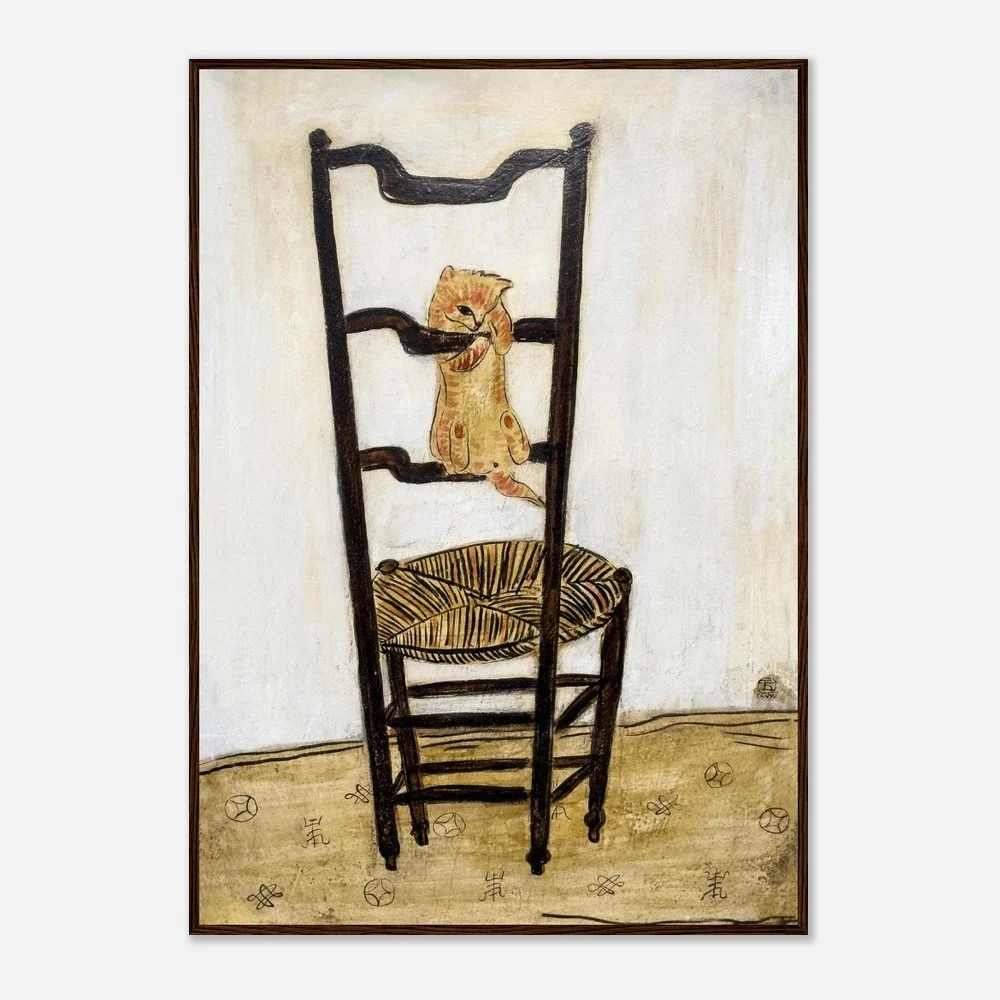
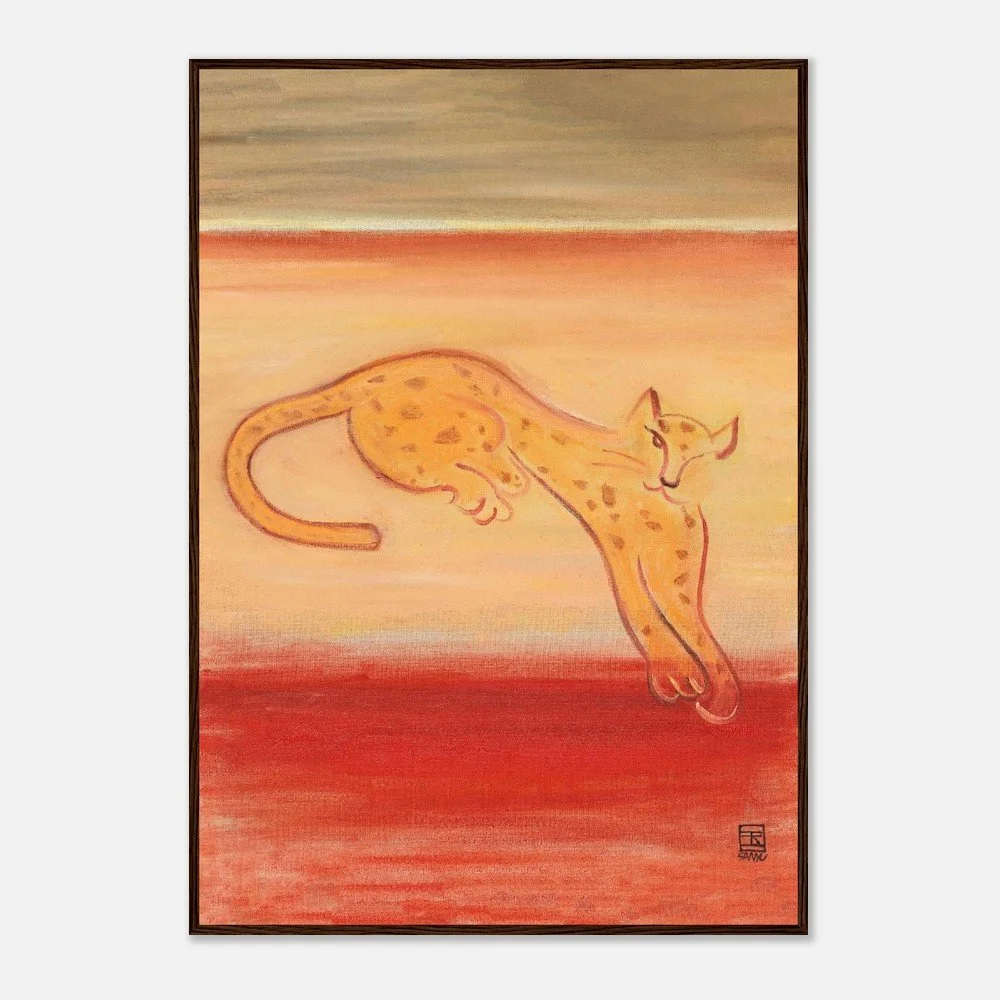
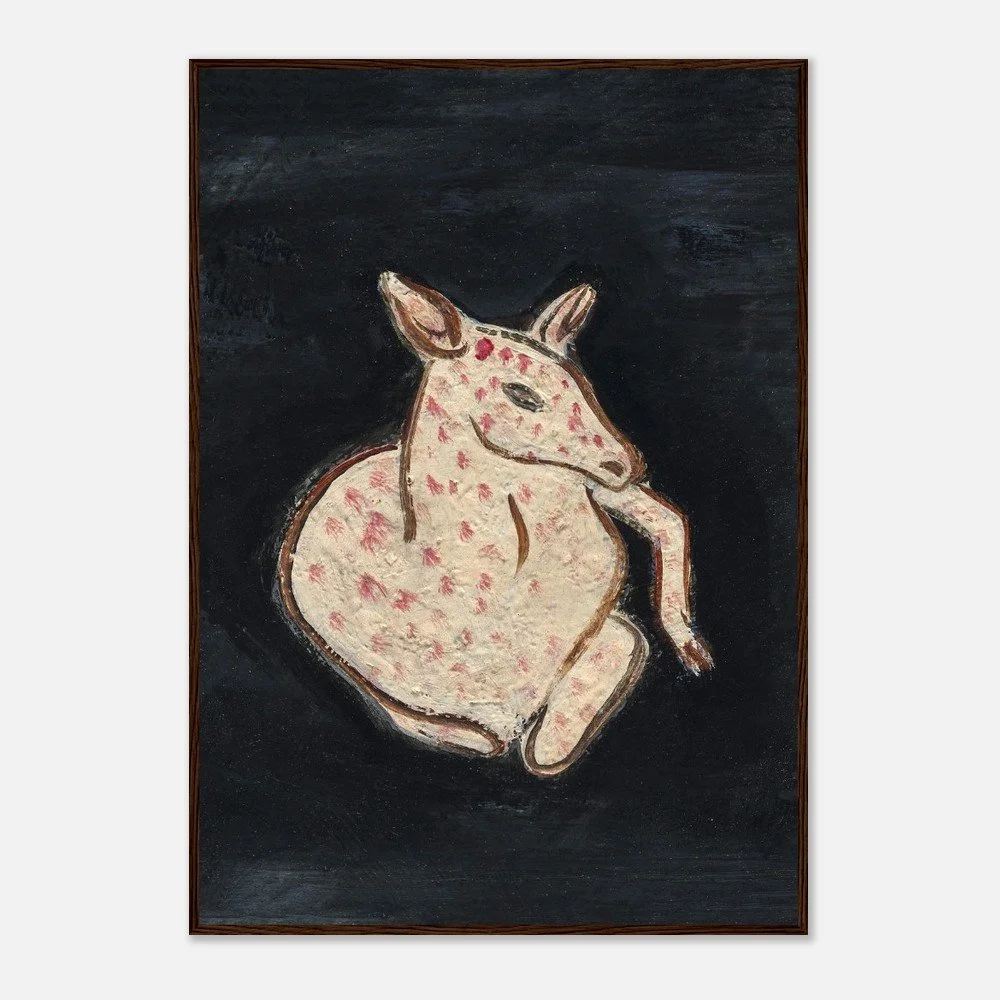
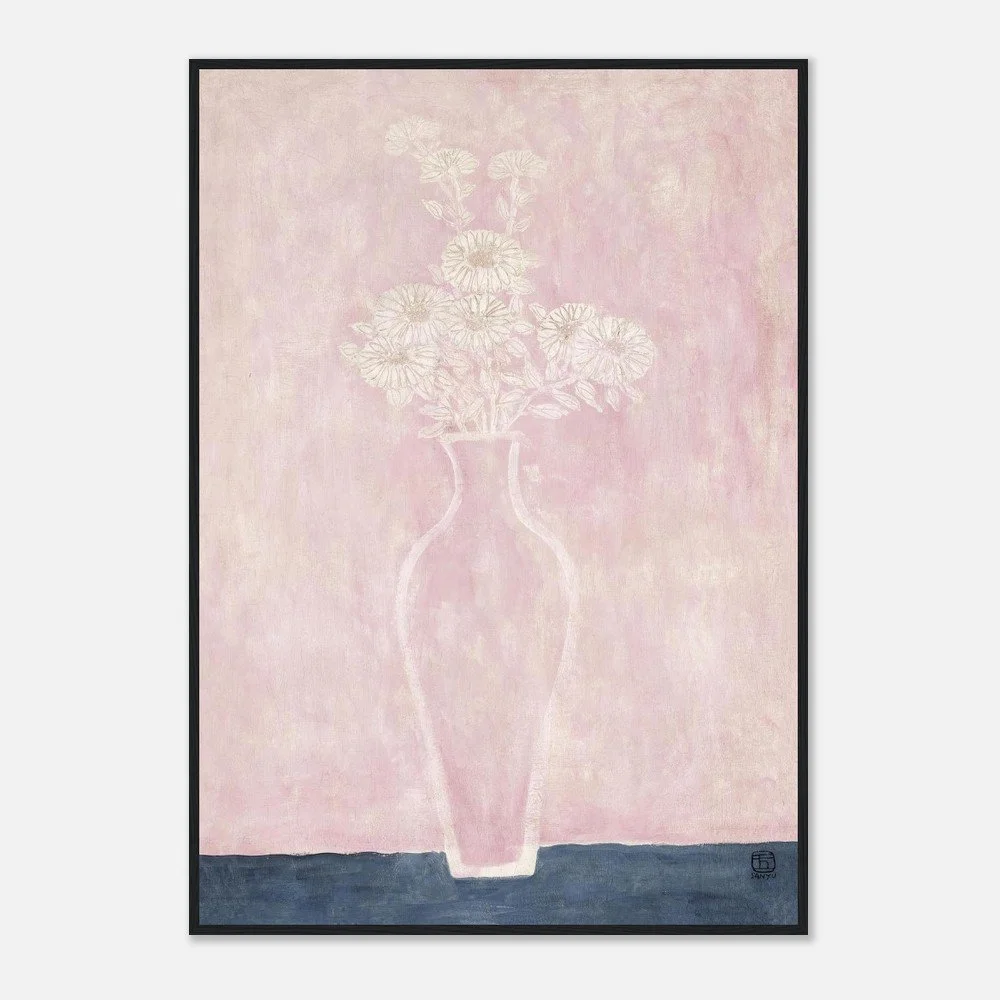
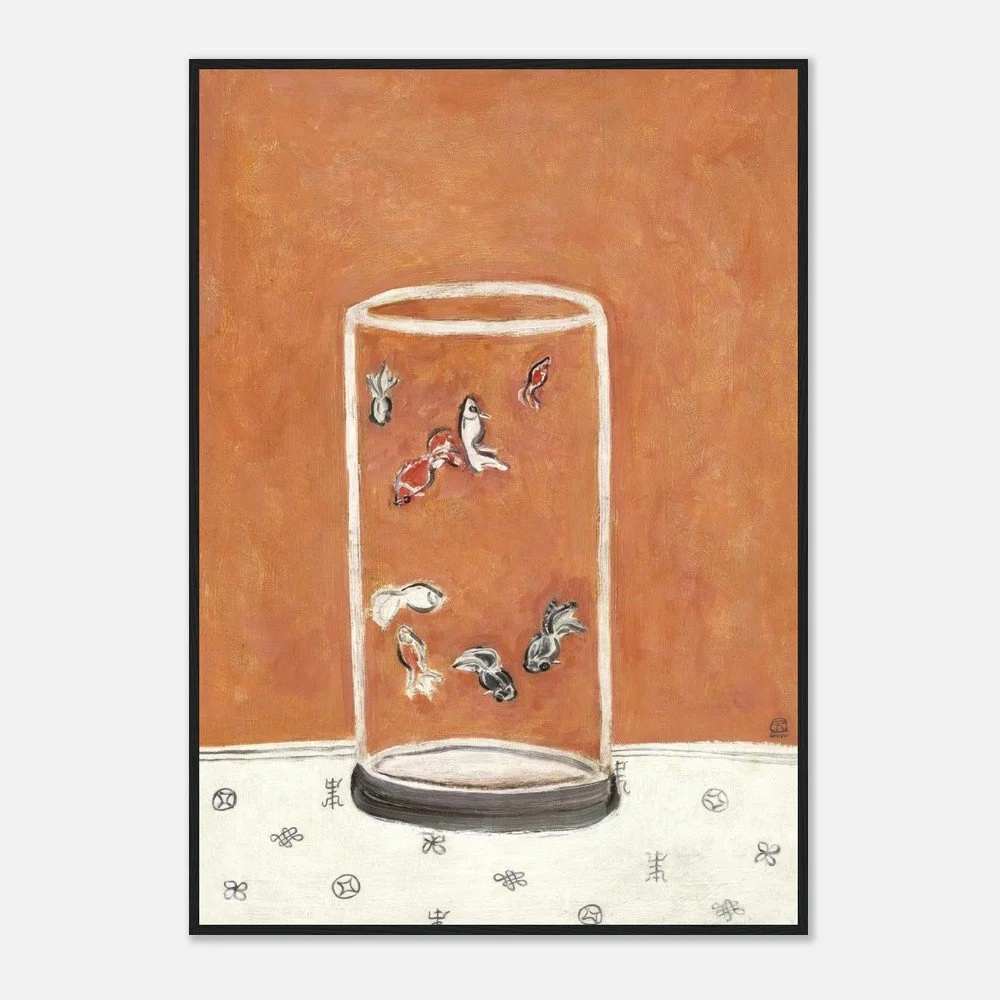
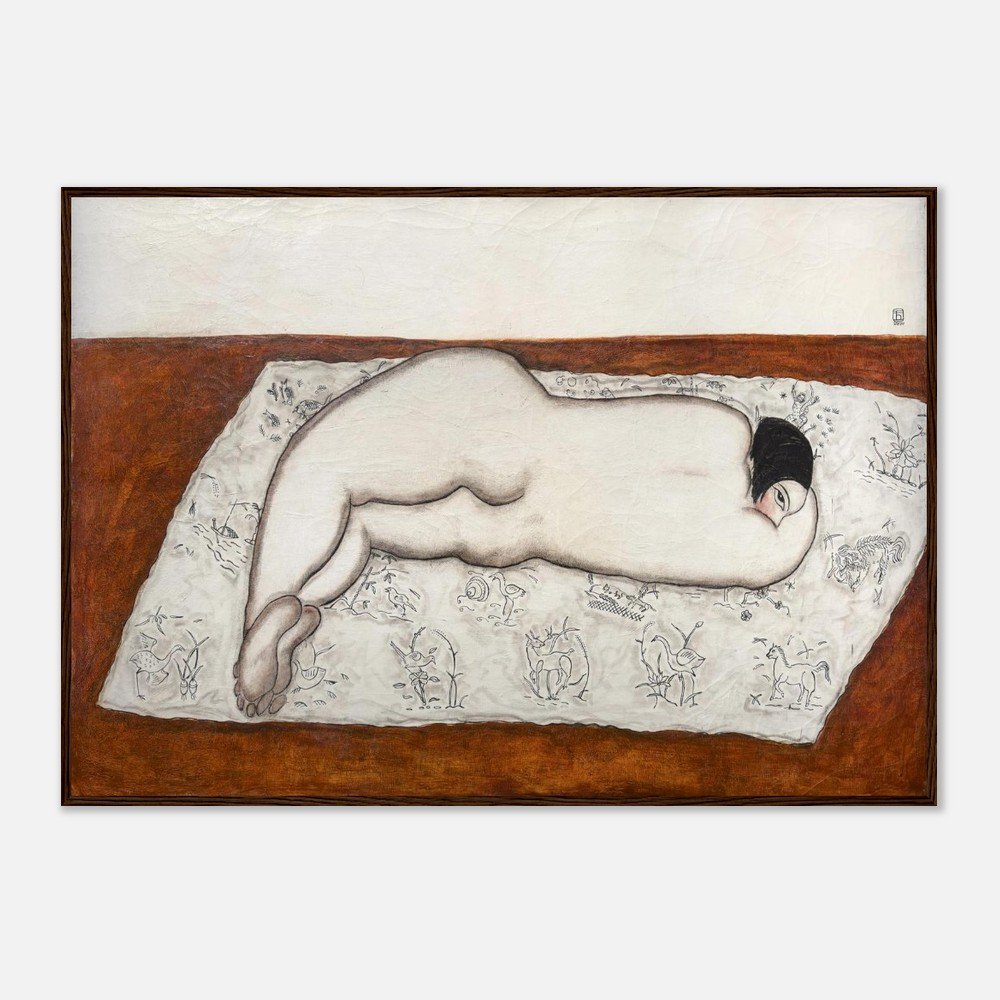
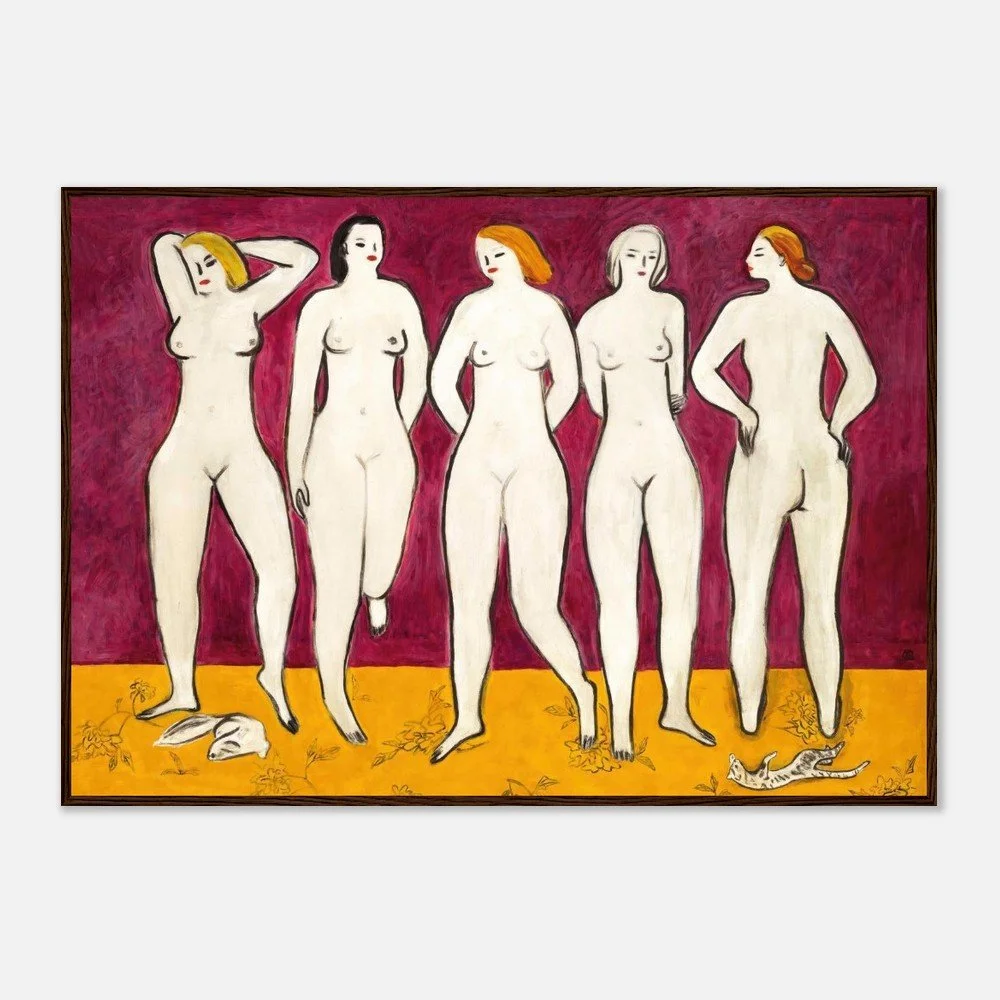
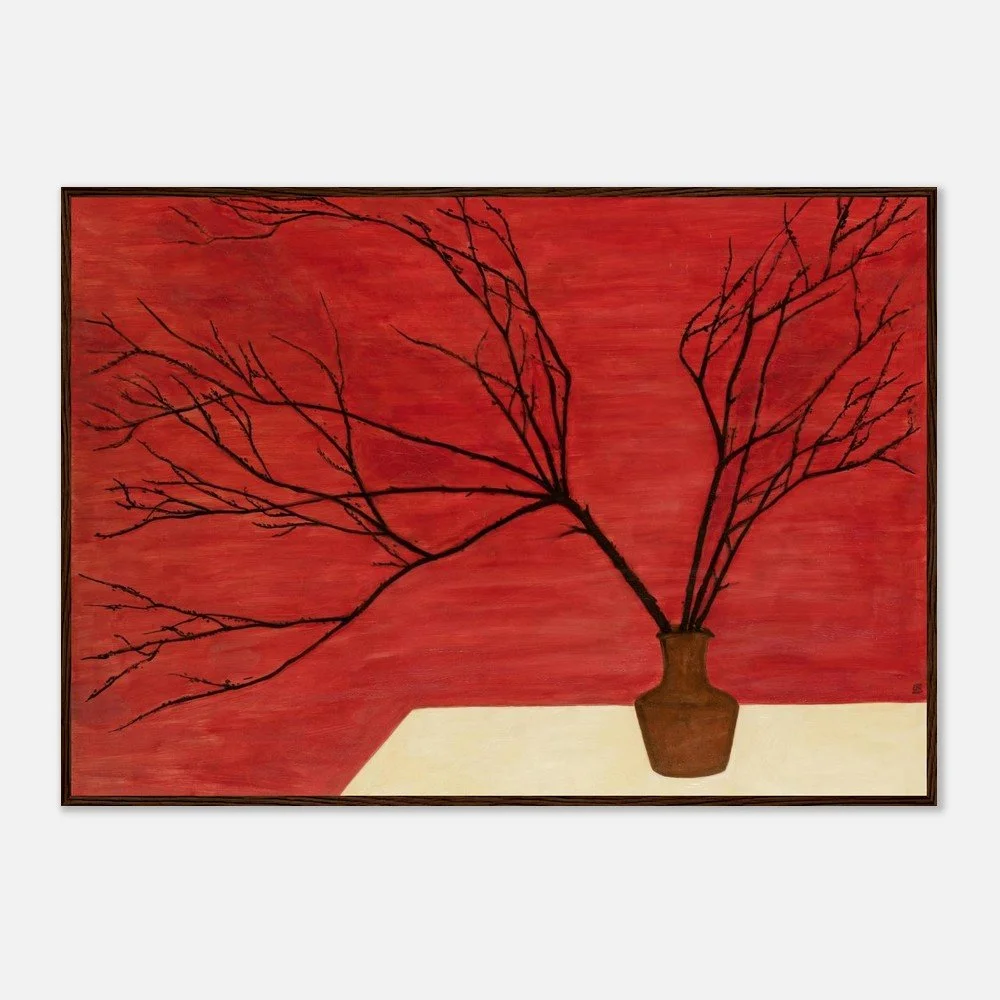
His most iconic subjects—nudes, florals, and animals—reveal an evolving emotional register. Works from his so-called “Pink Period” are often described through a restrained palette of pink, black, and white, while later paintings lean toward richer tones and a heightened sense of solitude, especially in his wandering animal motifs.
Sanyu prepared for a solo exhibition at Taipei’s National Museum of History in 1964, but circumstances prevented his return; he died in Paris in 1966. Today, his legacy lives on through major institutional holdings—including NMH Taipei and the Musée Cernuschi in Paris—and through a global market that has seen landmark results at both Christie’s and Sotheby’s.