Soleil sur la Petite Creuse | Monet
About the Artwork: Soleil sur la Petite Creuse
Created in 1889 by the French Impressionist master Claude Monet, Soleil sur la Petite Creuse (Sun over the Petite Creuse) depicts the natural landscape of the Petite Creuse region in the French countryside. Using his signature Impressionist style, Monet captures the moment sunlight pierces through the leaves, scattering across the stream and trees. The water's surface and the surrounding environment shimmer with a captivating golden glow. Through broad and soft brushstrokes, the painting perfectly presents the dynamic interplay of light and shadow, as well as the vibrant vitality of nature, demonstrating Monet's keen observation and profound artistic expression of natural beauty.
--
Monet’s Soleil sur la Petite Creuse is a highly versatile masterpiece that effortlessly elevates various interior design schemes. With its warm, golden hues and soothing natural motifs, this artwork is an exquisite addition to French Country, Transitional, Classic, and even Modern spaces seeking an organic, softening touch. The dynamic yet serene brushstrokes bring the outdoors in, making it highly recommended as a captivating focal point for living rooms, a calming presence in bedrooms, or an elegant accent in dining areas and home offices. It is an ideal choice for professionals looking to infuse a space with timeless elegance, warmth, and a sophisticated artistic atmosphere.
---------
Oscar-Claude Monet (1840–1926) was a renowned French painter, a founder, and one of the most representative figures of the Impressionist movement. The term "Impressionism" itself originated from his famous painting Impression, Sunrise, which was showcased in the first independent exhibition in 1874. Monet dedicated his life to experimenting with light and shadow, subverting traditional painting approaches to shadows and outlines; clear, flatly applied outlines are almost entirely absent from his canvases. To accurately capture the subtle changes in light across different times and seasons, he frequently painted the same scene multiple times (such as his famous Water Lilies series created in his later years at his Giverny garden), pushing the perfect integration of color and light to its absolute pinnacle.
.
Material : Premium Matte Paper
About the Artwork: Soleil sur la Petite Creuse
Created in 1889 by the French Impressionist master Claude Monet, Soleil sur la Petite Creuse (Sun over the Petite Creuse) depicts the natural landscape of the Petite Creuse region in the French countryside. Using his signature Impressionist style, Monet captures the moment sunlight pierces through the leaves, scattering across the stream and trees. The water's surface and the surrounding environment shimmer with a captivating golden glow. Through broad and soft brushstrokes, the painting perfectly presents the dynamic interplay of light and shadow, as well as the vibrant vitality of nature, demonstrating Monet's keen observation and profound artistic expression of natural beauty.
--
Monet’s Soleil sur la Petite Creuse is a highly versatile masterpiece that effortlessly elevates various interior design schemes. With its warm, golden hues and soothing natural motifs, this artwork is an exquisite addition to French Country, Transitional, Classic, and even Modern spaces seeking an organic, softening touch. The dynamic yet serene brushstrokes bring the outdoors in, making it highly recommended as a captivating focal point for living rooms, a calming presence in bedrooms, or an elegant accent in dining areas and home offices. It is an ideal choice for professionals looking to infuse a space with timeless elegance, warmth, and a sophisticated artistic atmosphere.
---------
Oscar-Claude Monet (1840–1926) was a renowned French painter, a founder, and one of the most representative figures of the Impressionist movement. The term "Impressionism" itself originated from his famous painting Impression, Sunrise, which was showcased in the first independent exhibition in 1874. Monet dedicated his life to experimenting with light and shadow, subverting traditional painting approaches to shadows and outlines; clear, flatly applied outlines are almost entirely absent from his canvases. To accurately capture the subtle changes in light across different times and seasons, he frequently painted the same scene multiple times (such as his famous Water Lilies series created in his later years at his Giverny garden), pushing the perfect integration of color and light to its absolute pinnacle.
.
Material : Premium Matte Paper

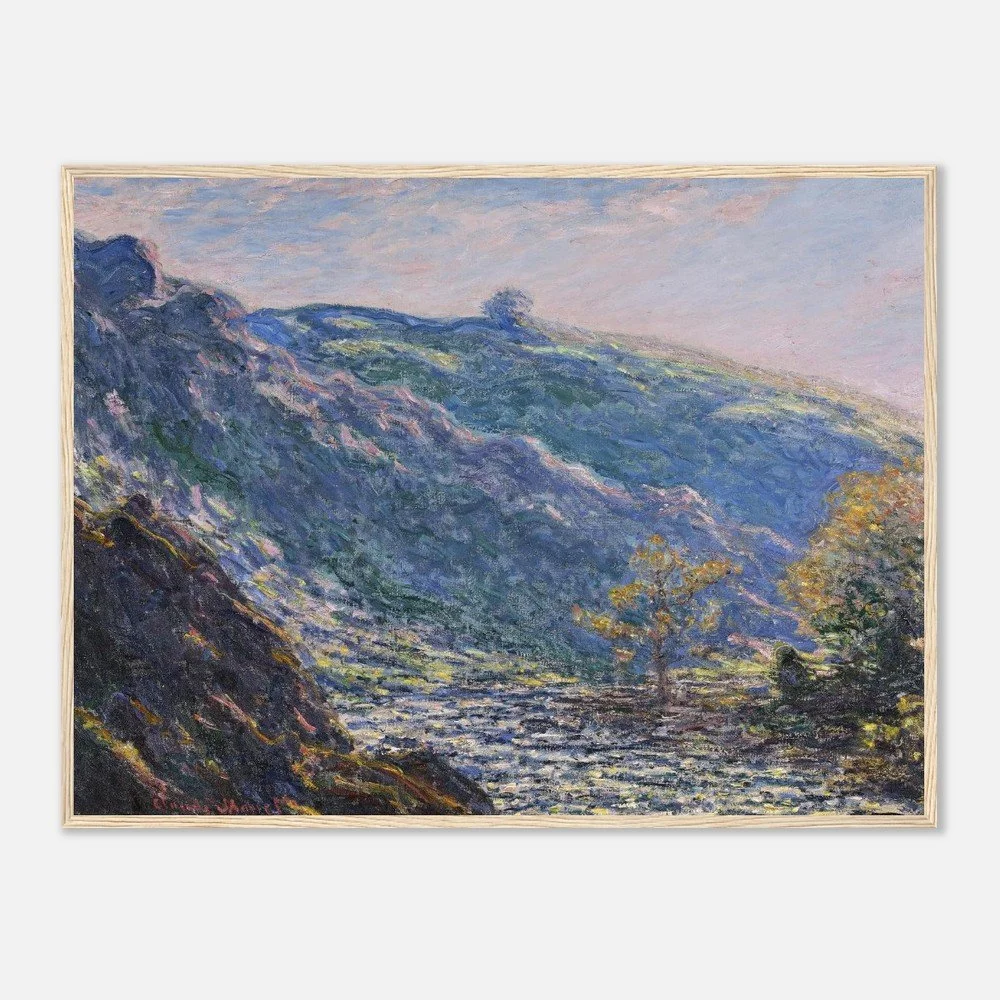 Image 1 of 22
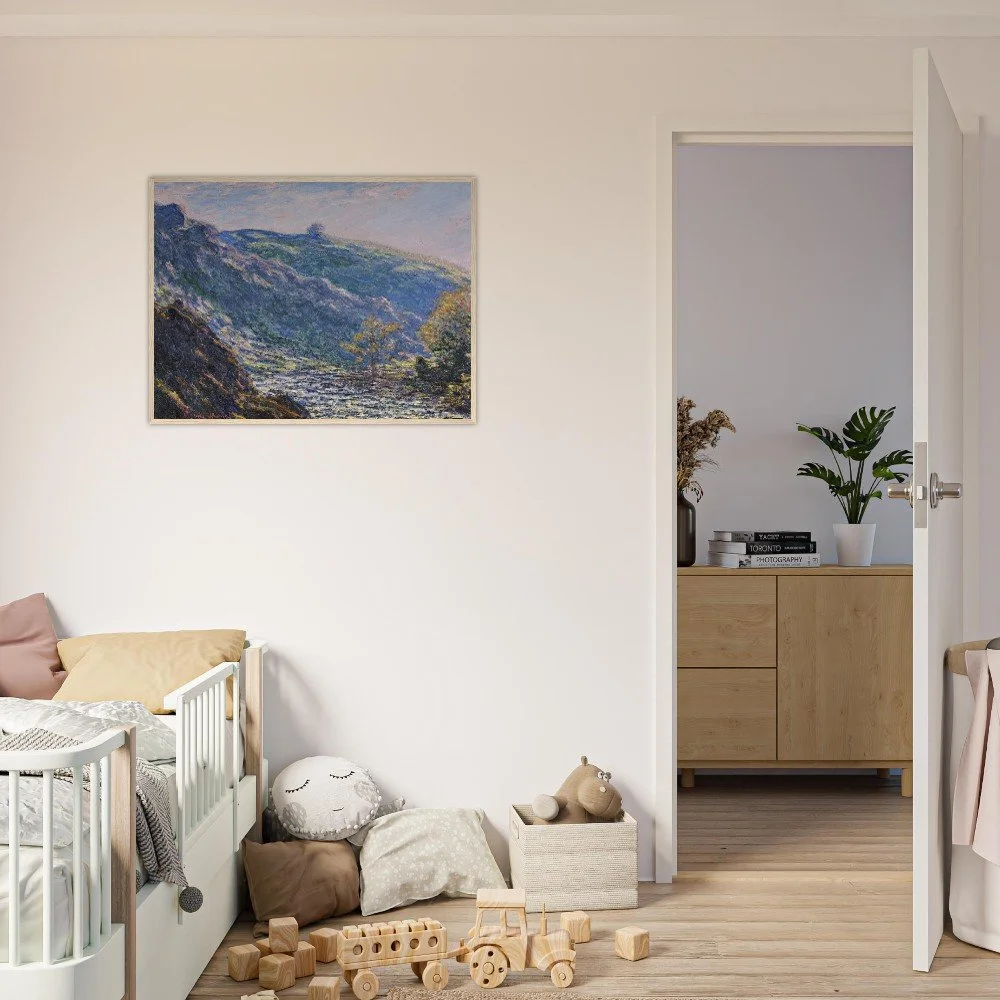 Image 2 of 22
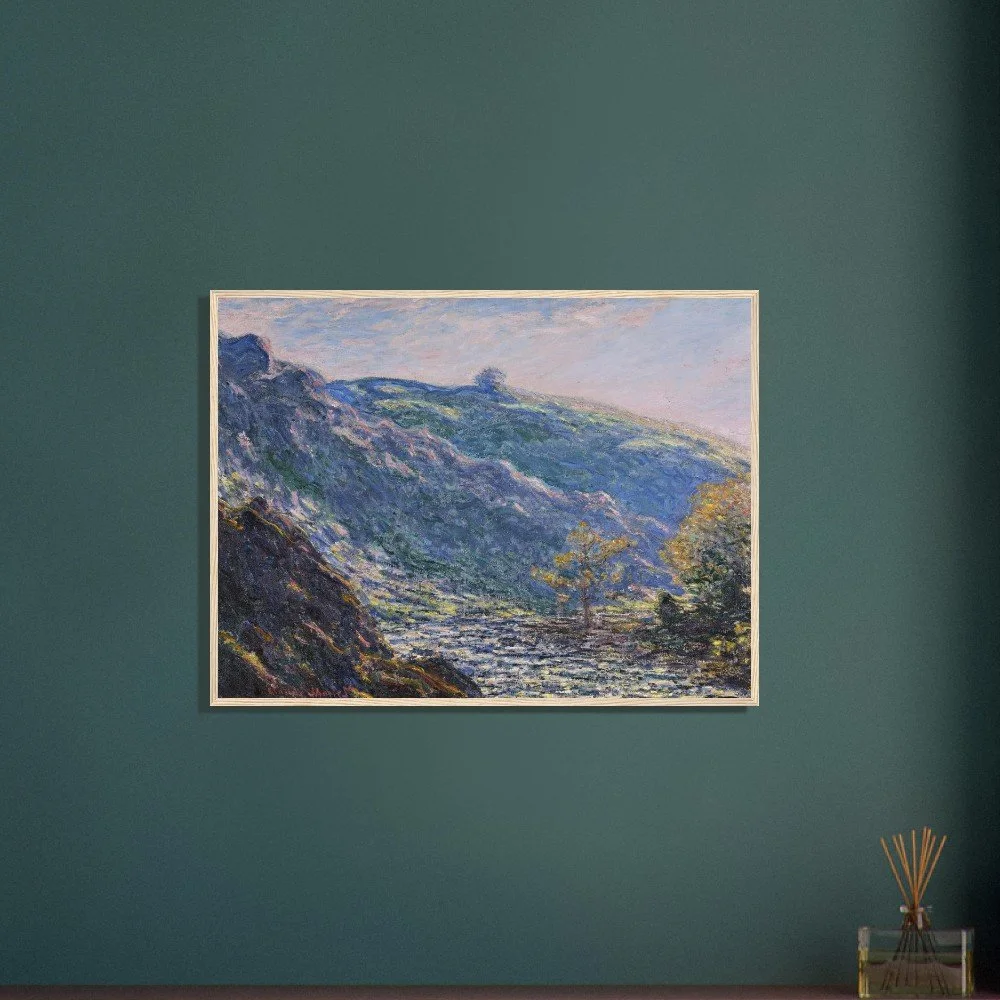 Image 3 of 22
 Image 4 of 22
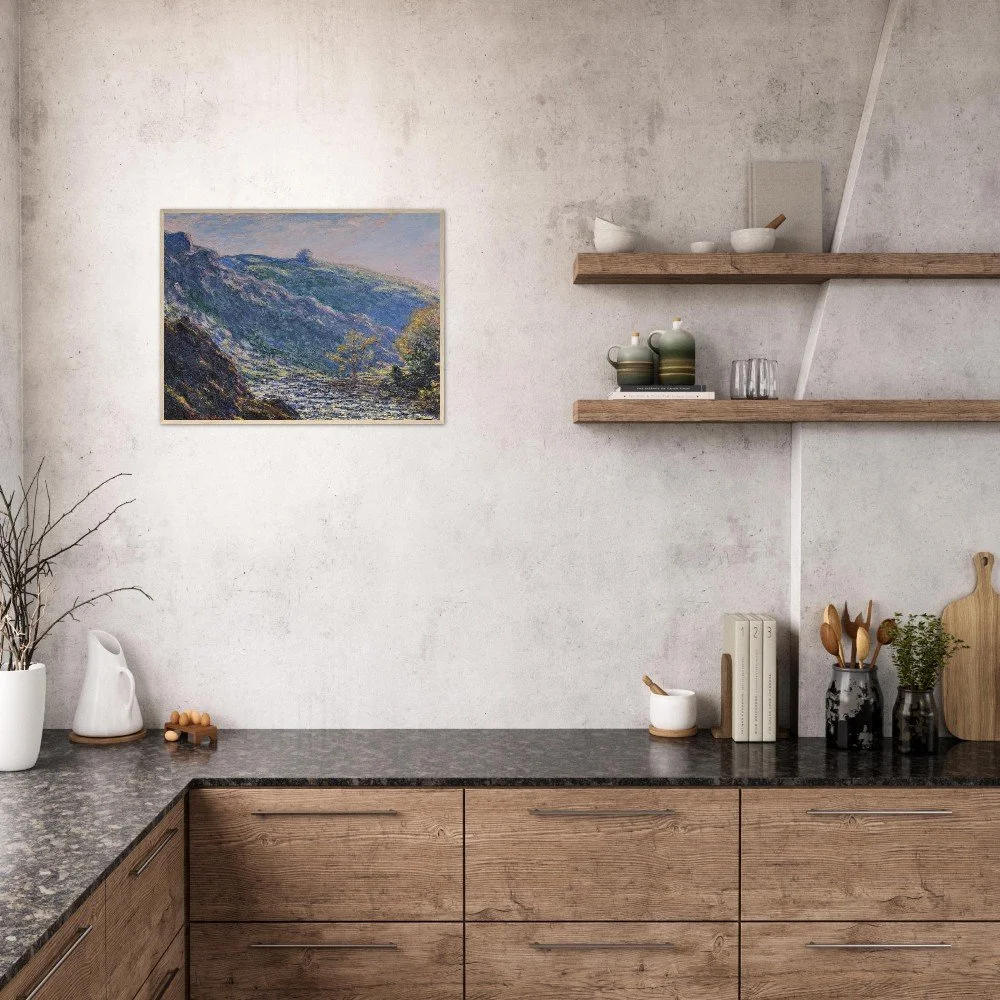 Image 5 of 22
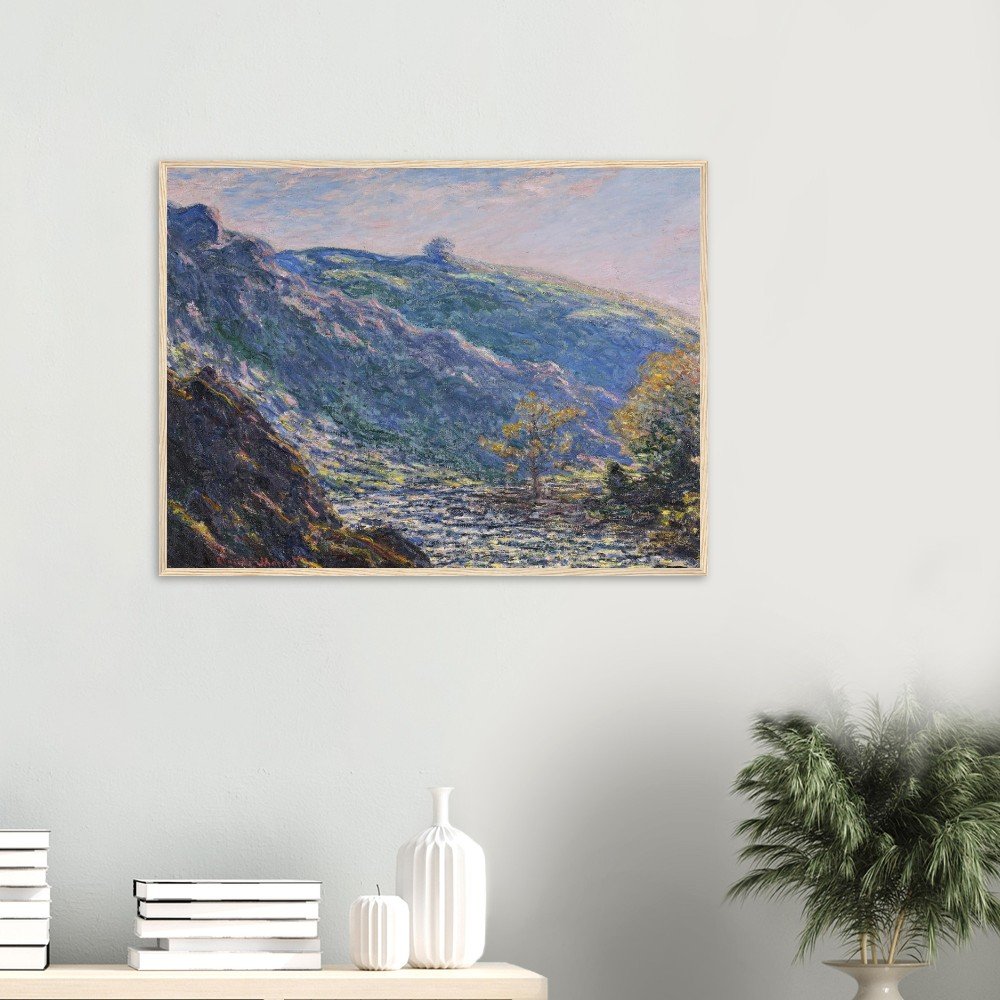 Image 6 of 22
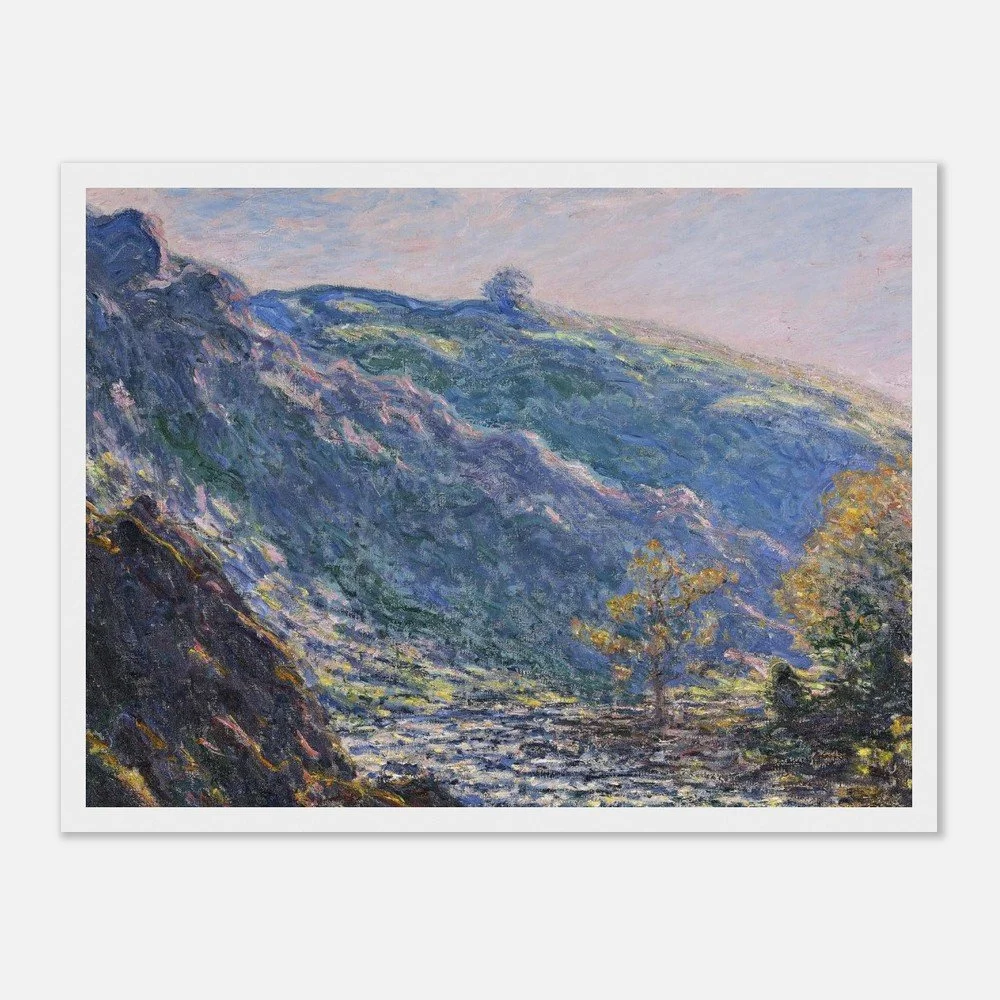 Image 7 of 22
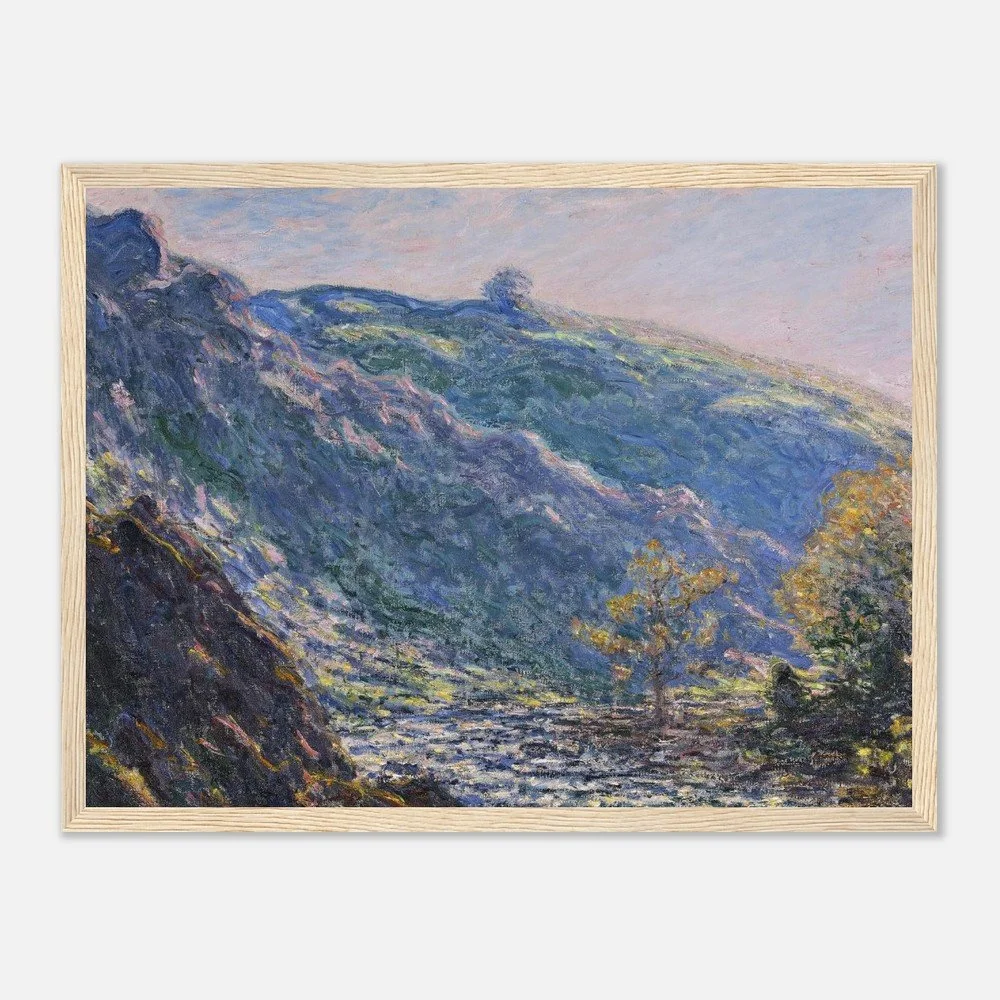 Image 8 of 22
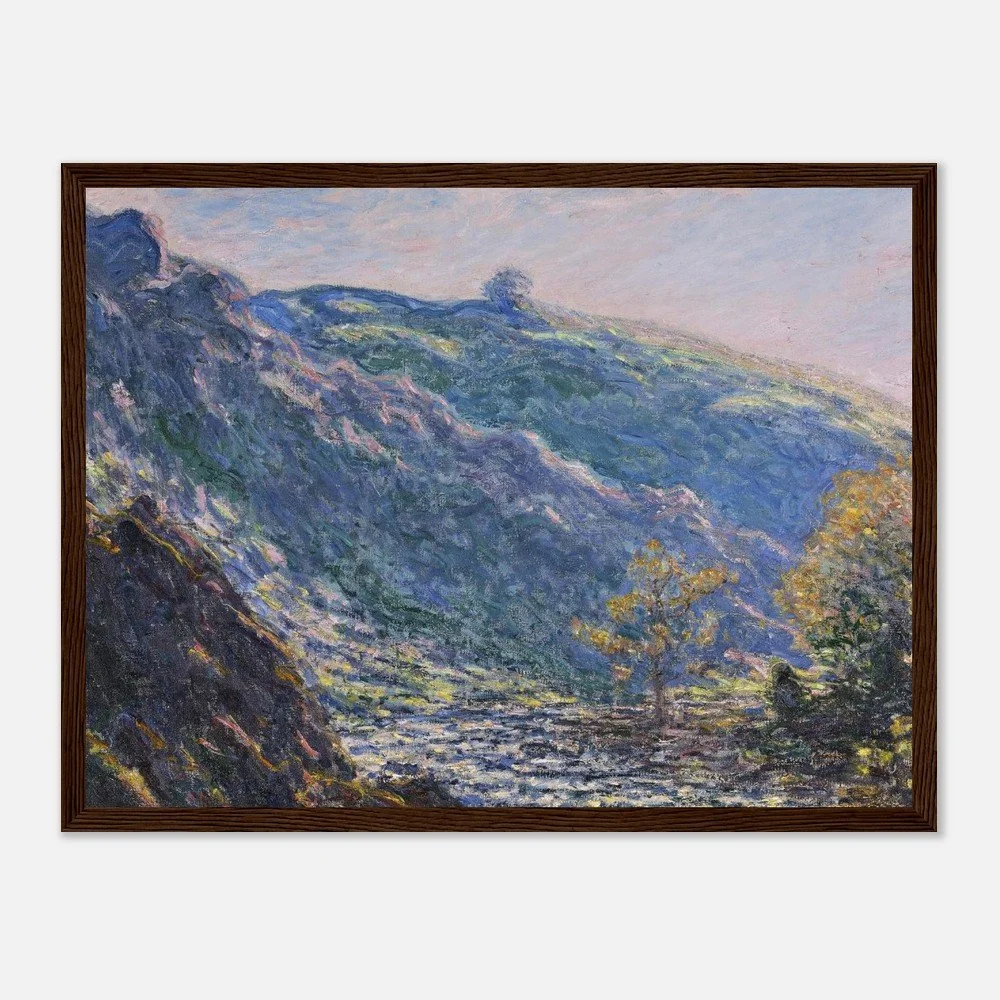 Image 9 of 22
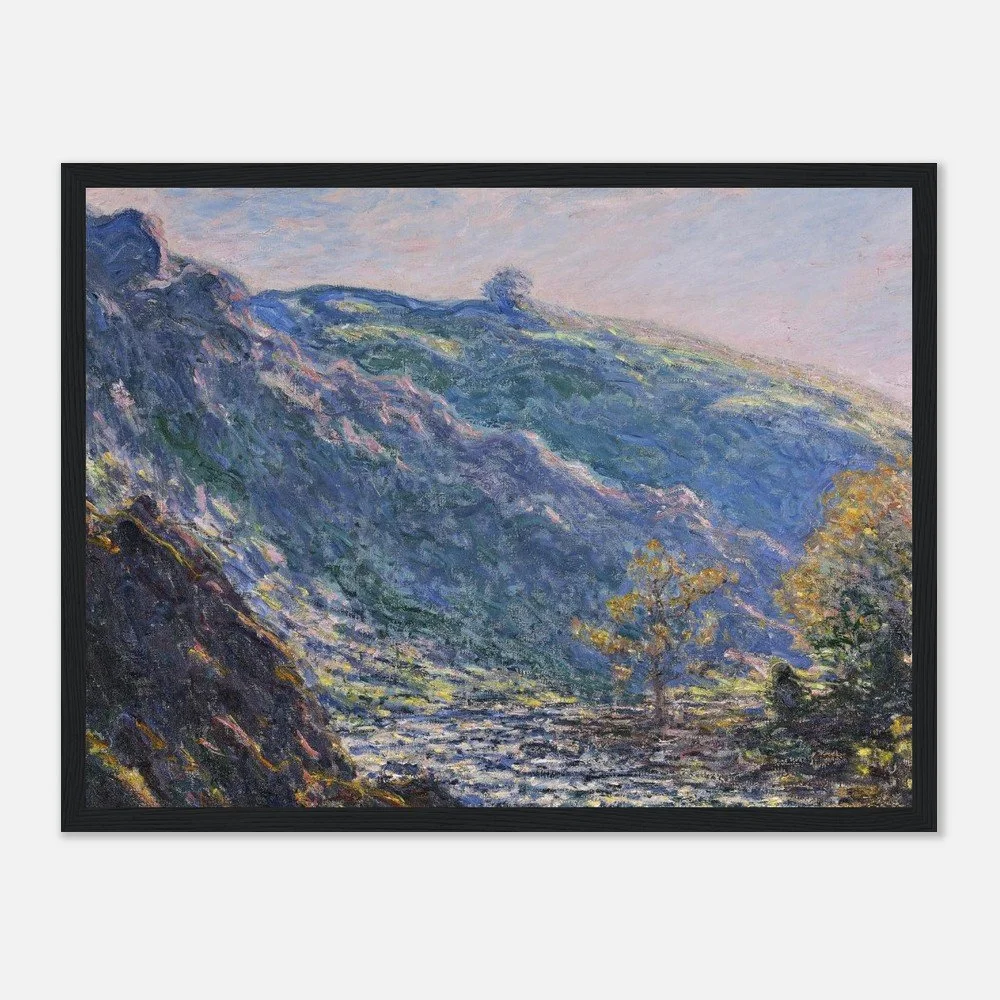 Image 10 of 22
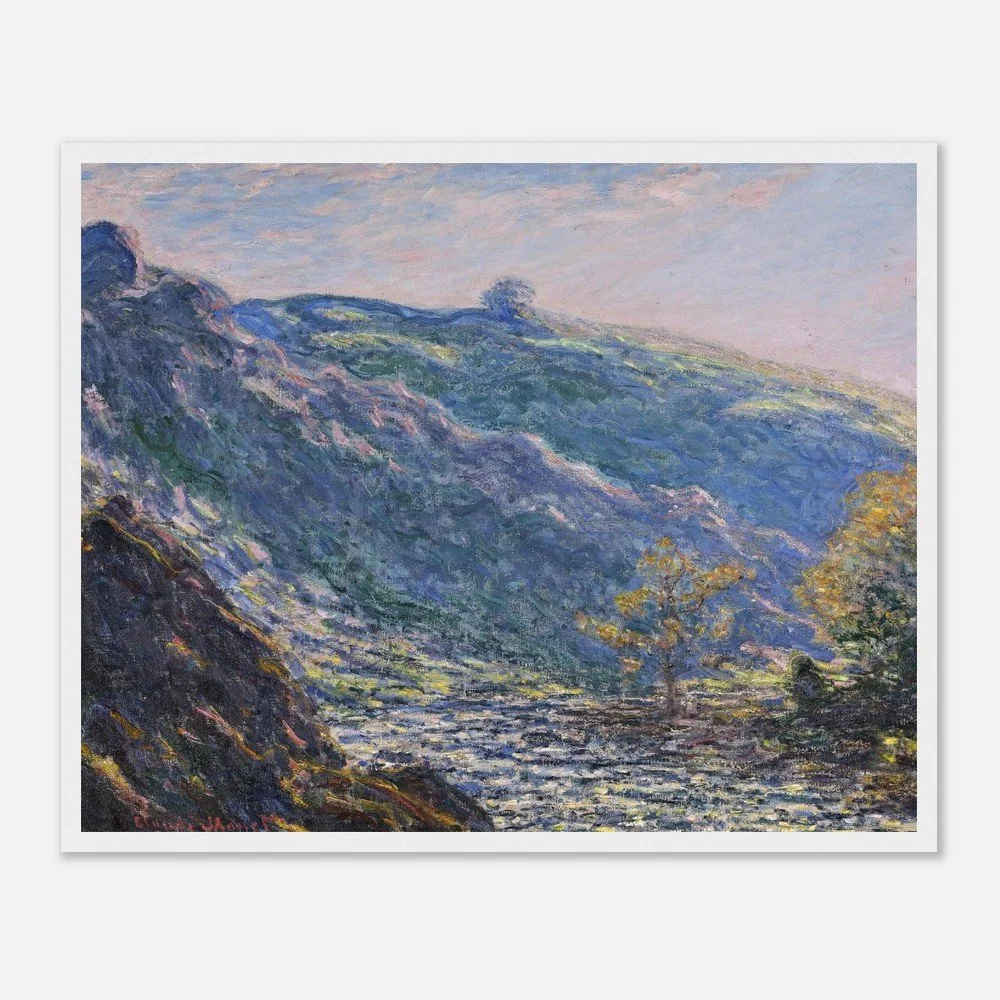 Image 11 of 22
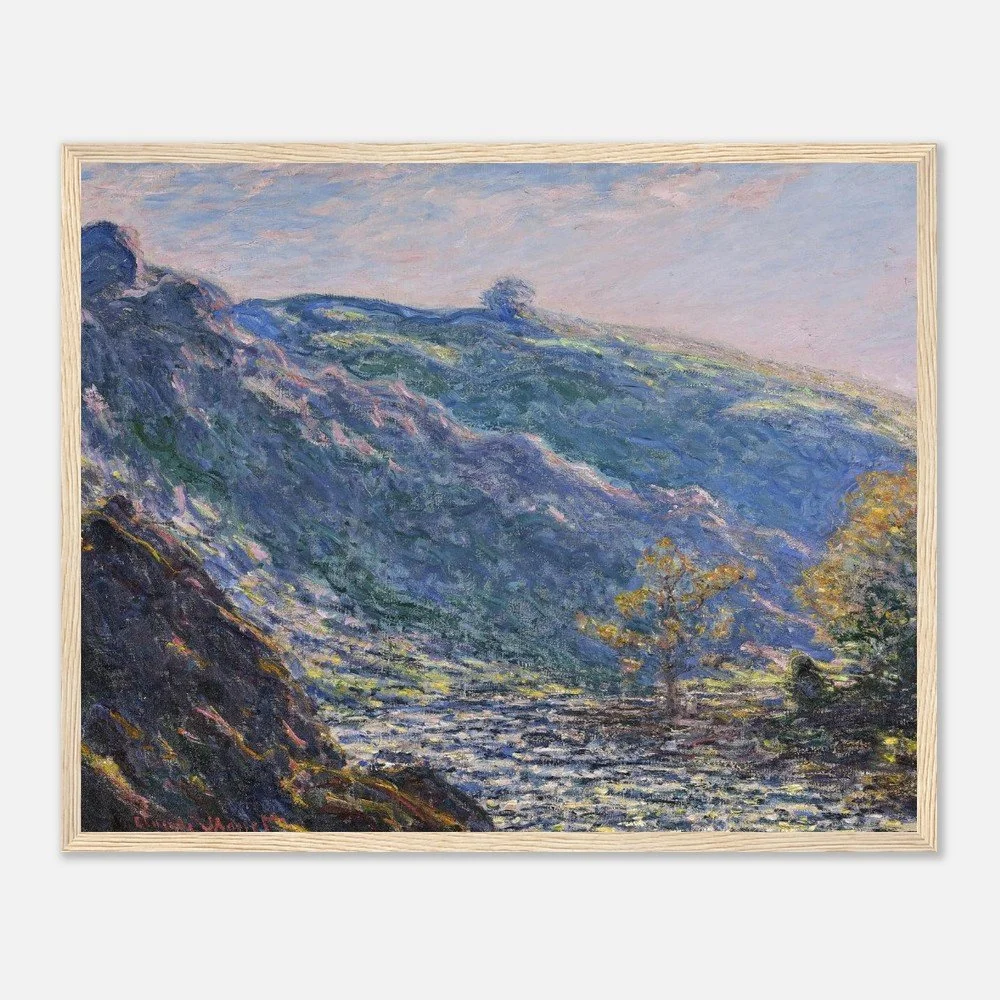 Image 12 of 22
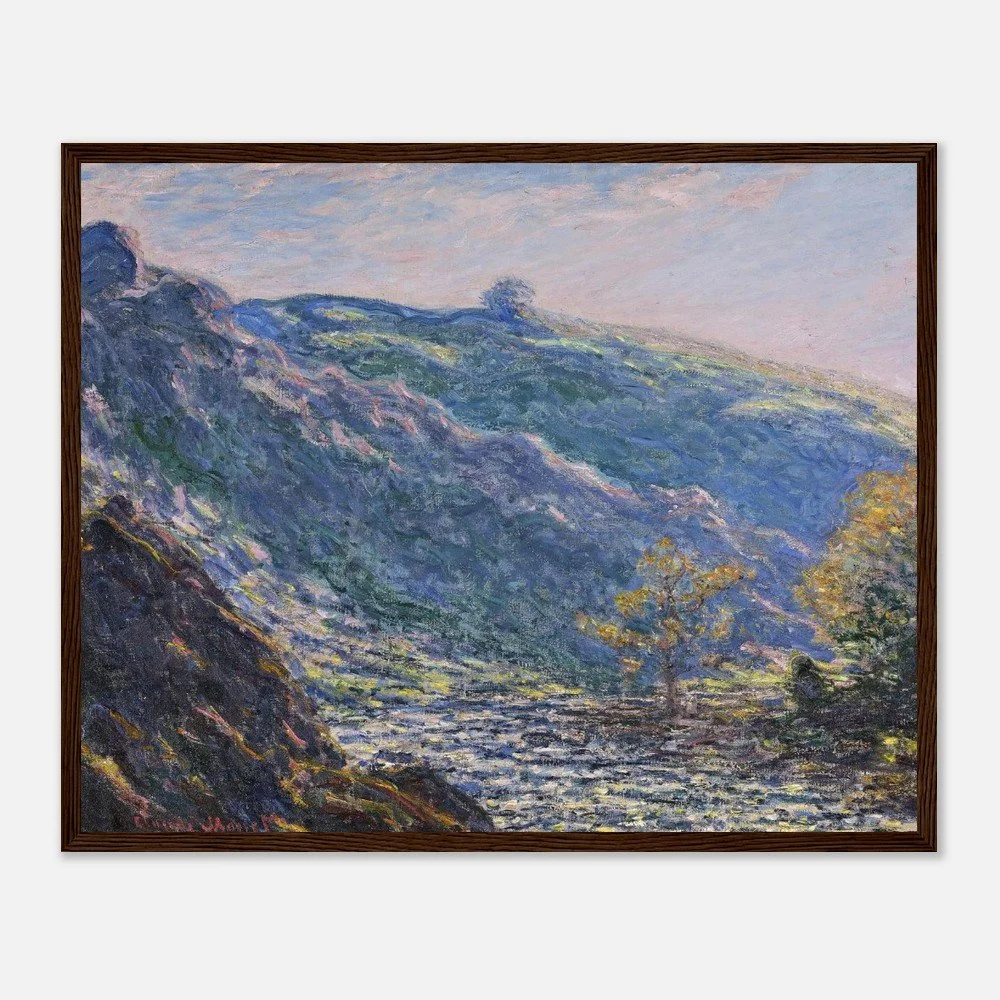 Image 13 of 22
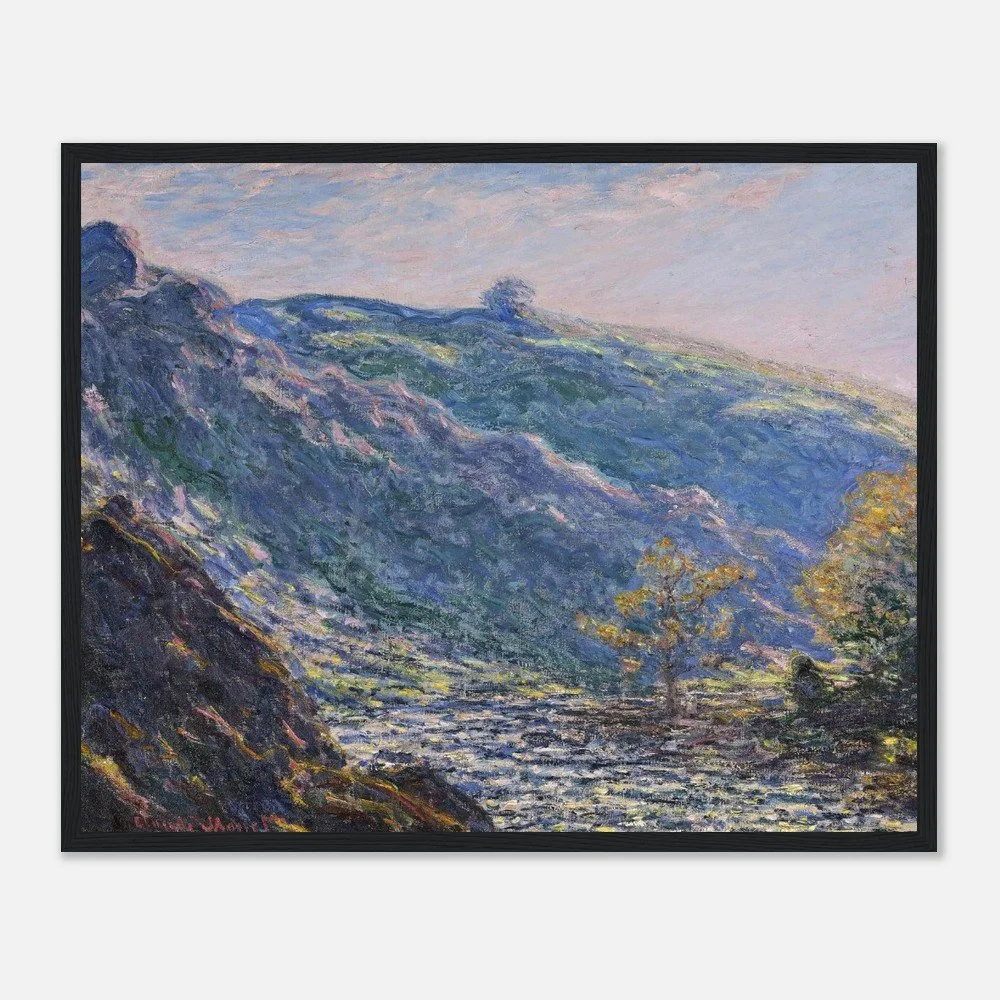 Image 14 of 22
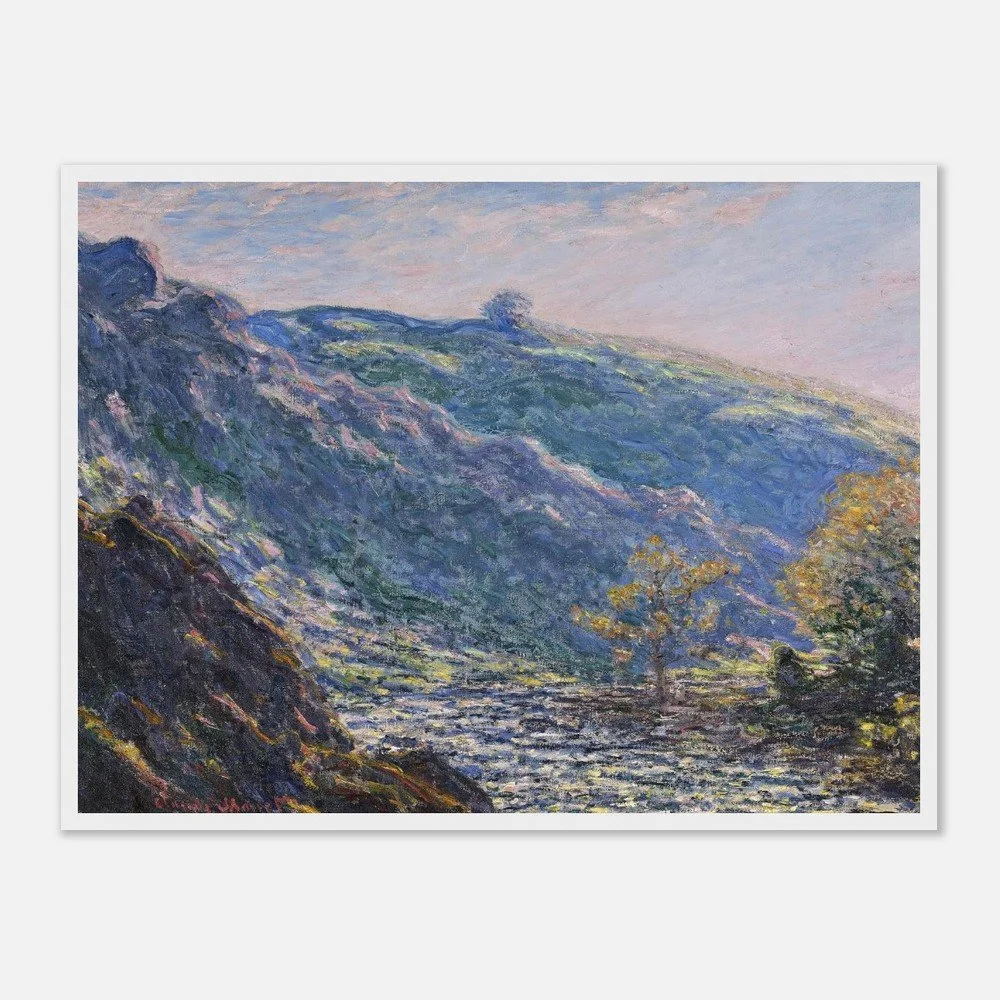 Image 15 of 22
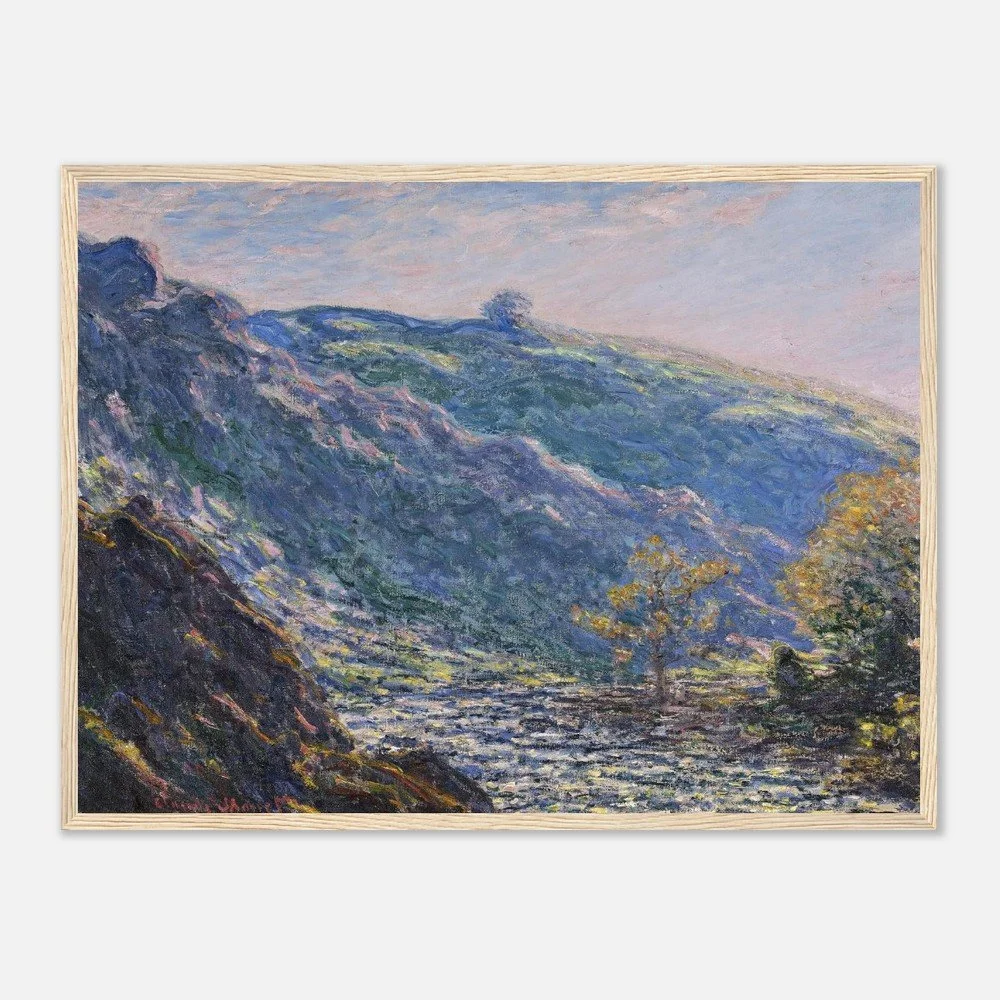 Image 16 of 22
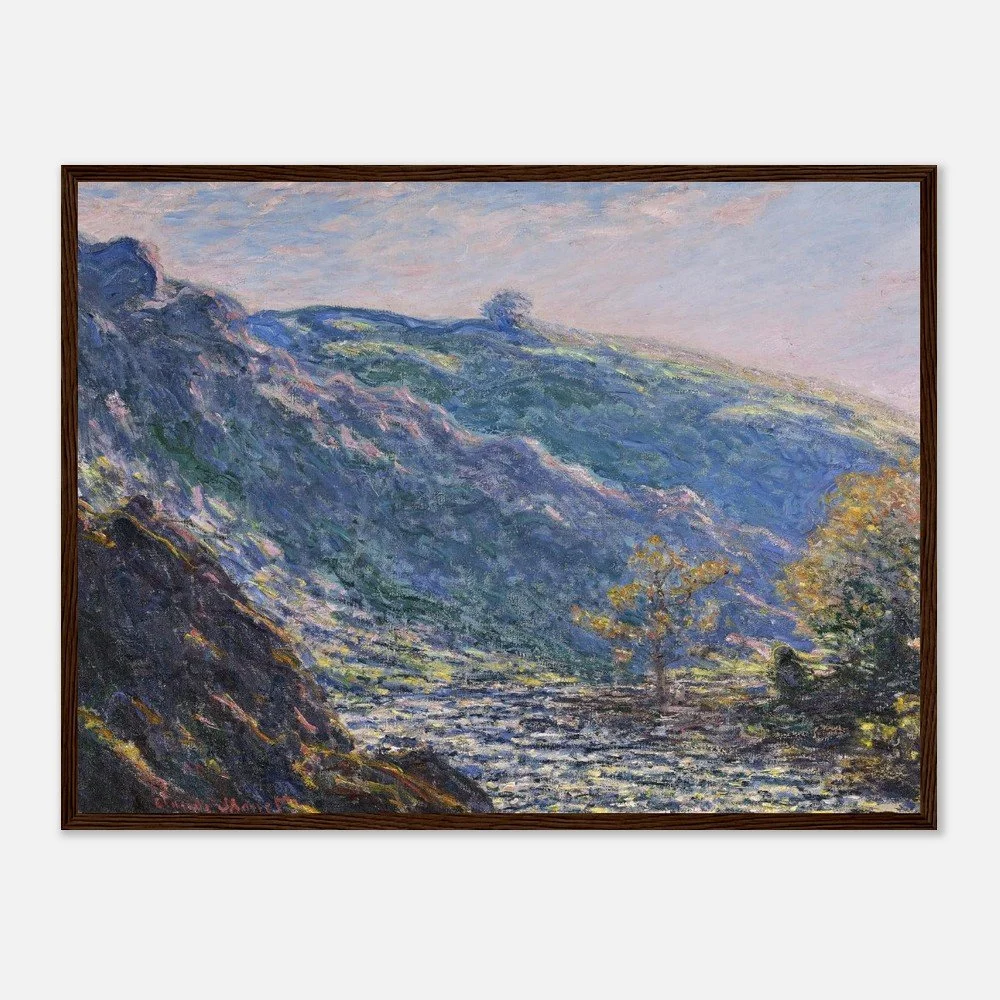 Image 17 of 22
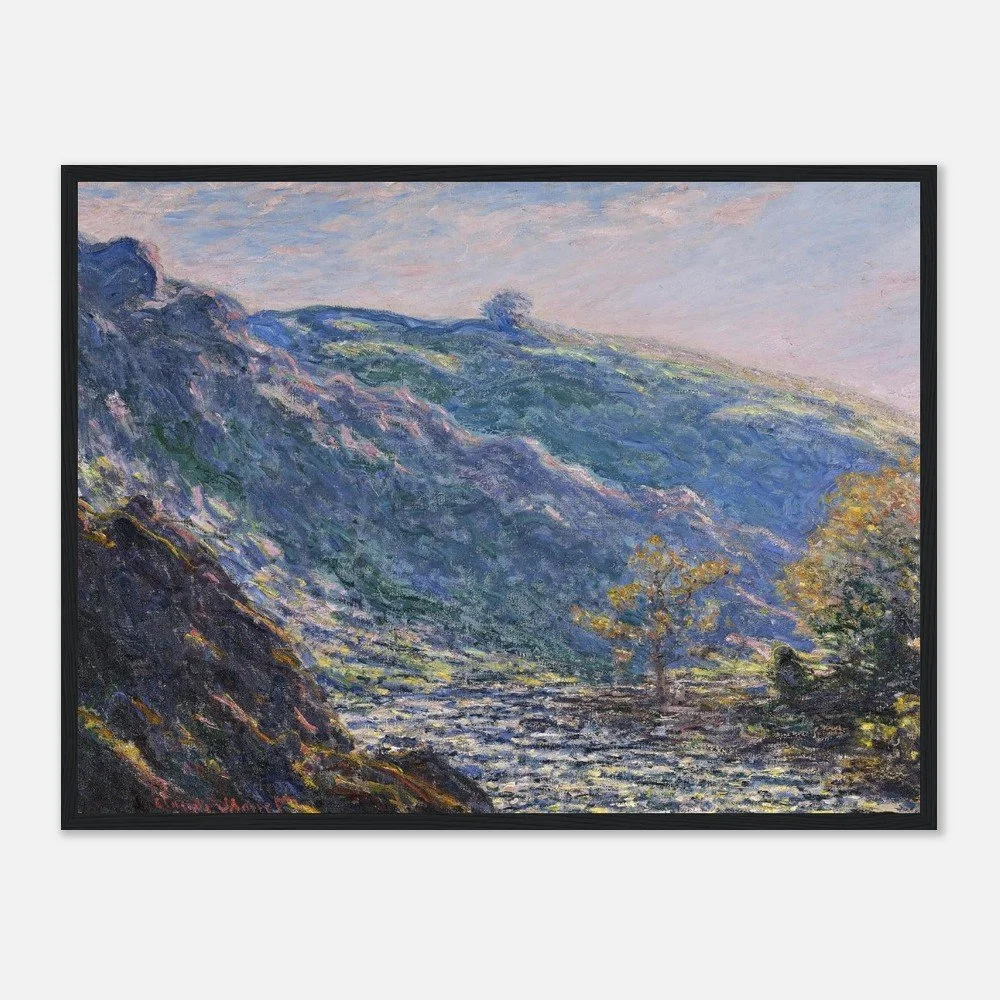 Image 18 of 22
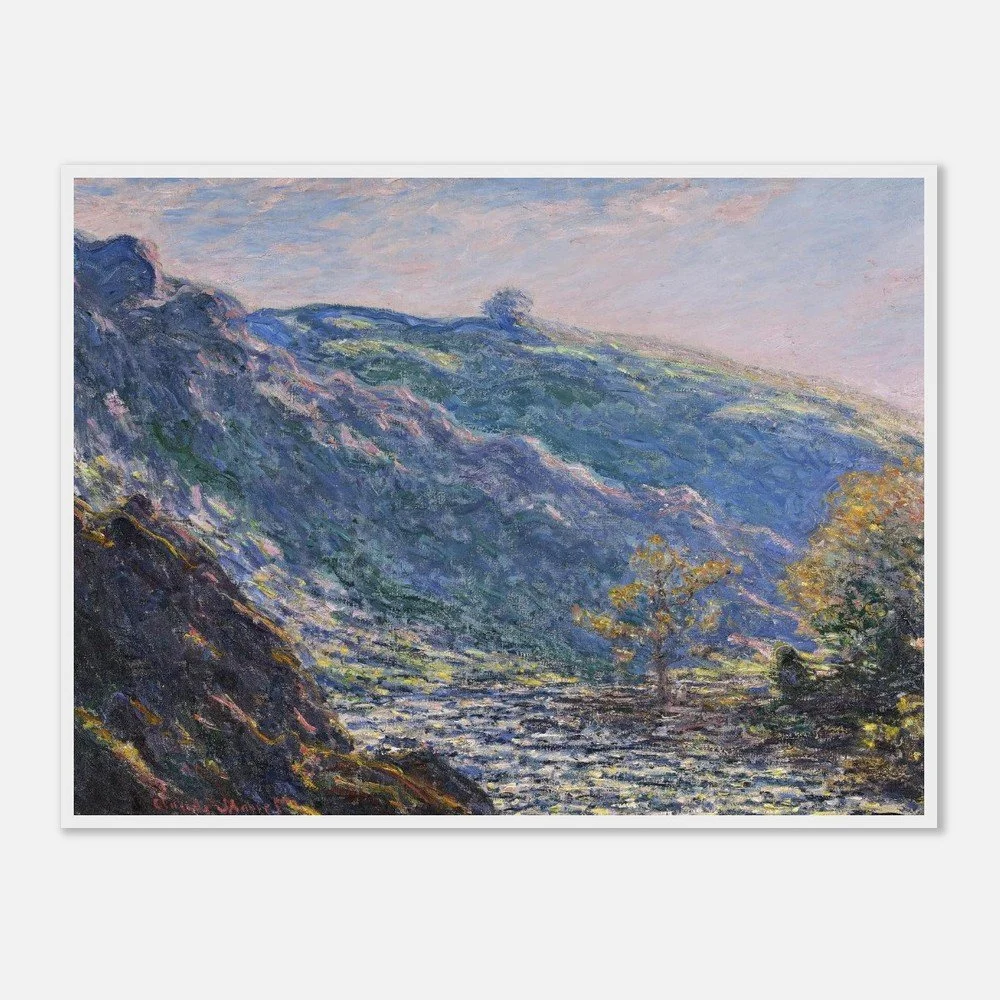 Image 19 of 22
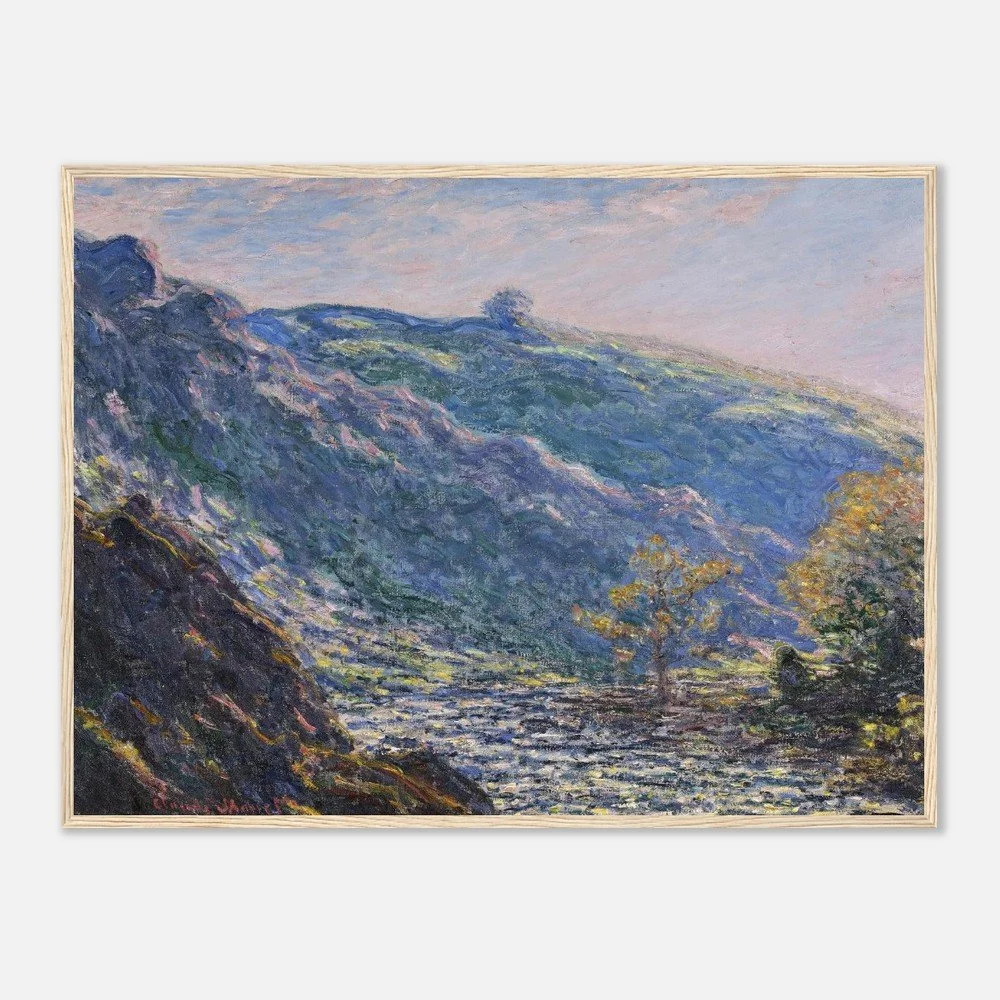 Image 20 of 22
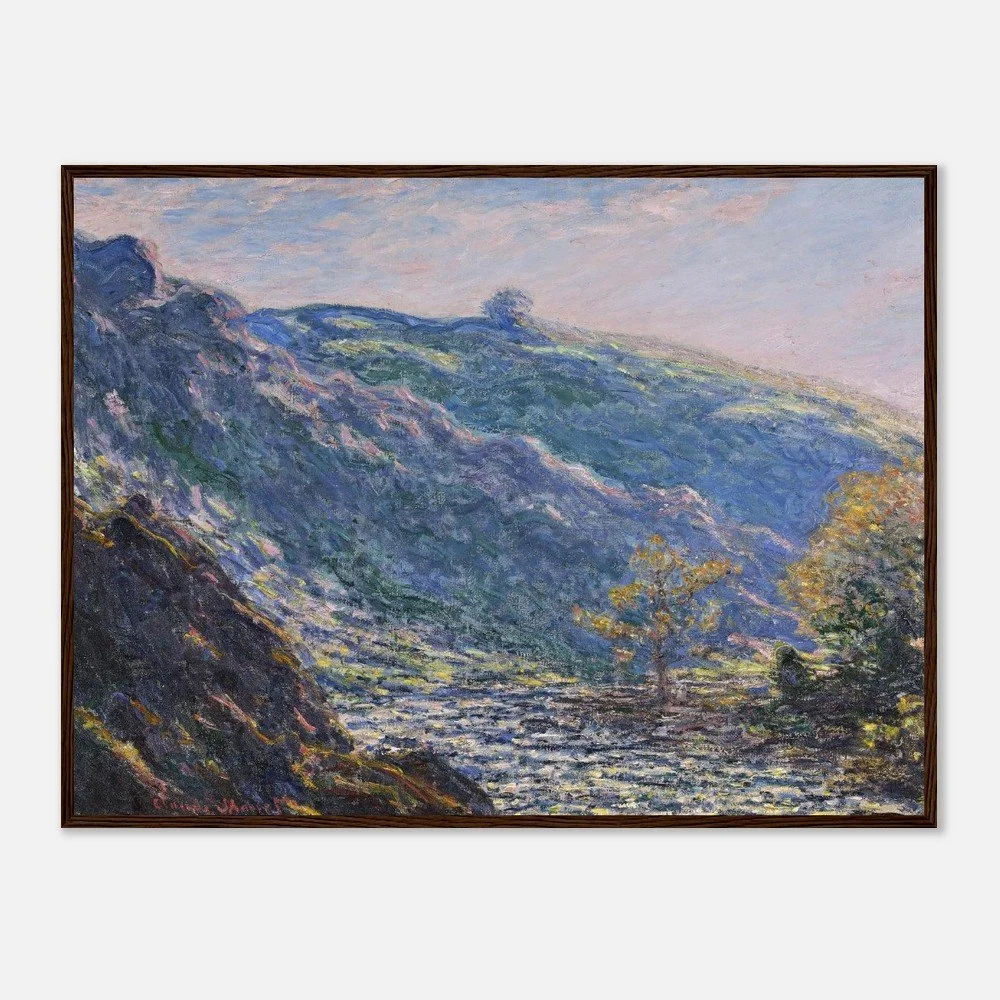 Image 21 of 22
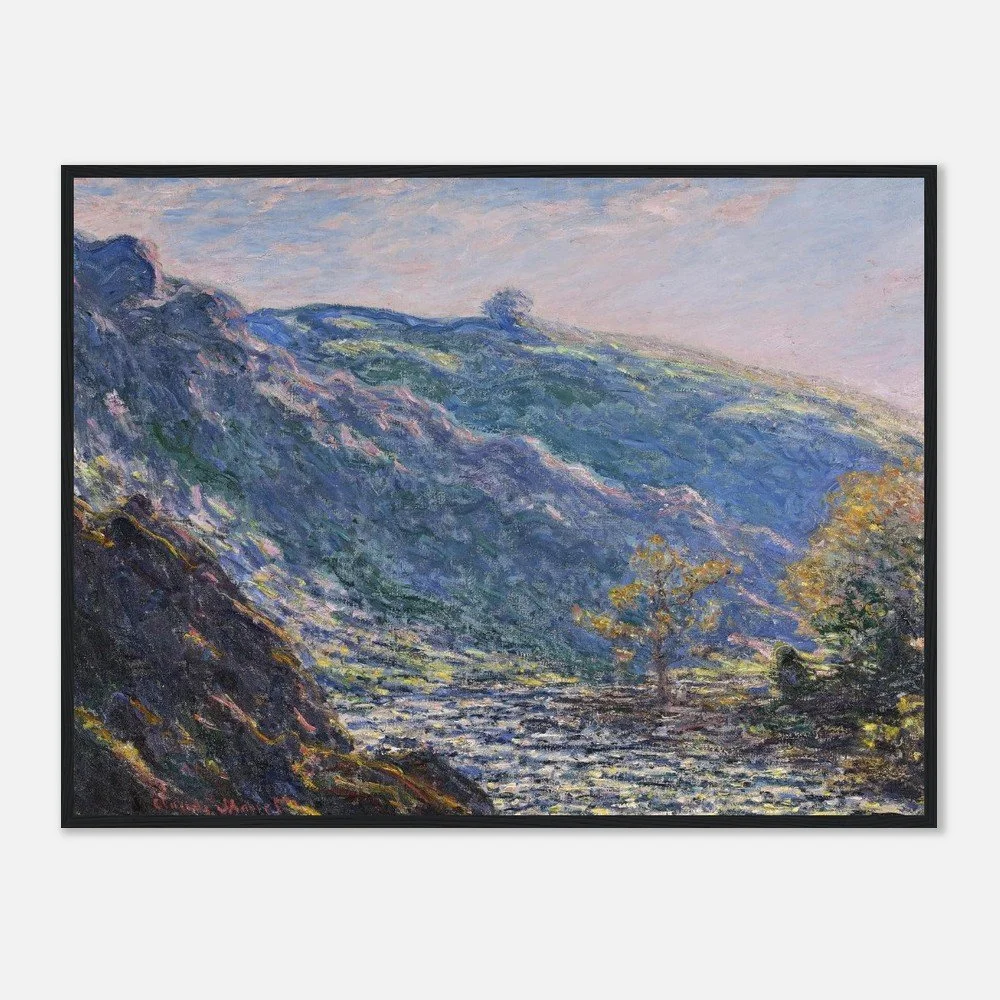 Image 22 of 22