Created in 1915, Pictorial Masses in Two Dimensions in a State of Rest is an oil-on-canvas masterpiece by the Russian avant-garde artist Kazimir Malevich.
This painting is one of the core representative works from the early days of Suprematism, a revolutionary modern art movement. Here is a breakdown of the painting's key concepts and historical significance:
Core Artistic Concepts
Pure Geometry and Non-Objectivity: Malevich completely abandoned the imitation and depiction of the real world. The canvas features no landscapes, figures, or objects. Instead, it is composed of pure geometric shapes (the "masses" in the title). He believed art should be free from utility and narrative, returning instead to the supremacy of "pure feeling" in creative art.
Exploring a "State of Rest": Suprematist works often explore the gravity and tension of geometric shapes in space. While many of Malevich's works emphasize a tilted, flying "dynamic" sensation, this painting—as its title suggests—focuses on forms achieving visual equilibrium and a state of complete stasis on a two-dimensional plane.
The Infinite White Void: The white background is not simply "blank space" in the traditional sense. In Malevich's theory, white represents an "infinite void" or the zero-gravity space of the universe. The geometric color masses in the painting appear suspended and resting within this absolute, boundless space.
Historical Significance and Background
The "0.10" Last Futurist Exhibition: In late 1915, Malevich participated in the famous "0.10 The Last Futurist Exhibition of Paintings" in Petrograd (now St. Petersburg). He presented 39 Suprematist works at this show, and this painting was among them (listed as Cat. 65 in the exhibition catalog). This exhibition officially marked the birth of Suprematism and stands as a crucial watershed moment in the development of abstract art.
Returning to "Zero": The title specifically emphasizes "Two Dimensions" because Malevich sought to break the illusion of three-dimensional perspective that had dominated art since the Renaissance. By acknowledging that the canvas is inherently flat and reducing form to its "zero degree," he attempted to construct an entirely new visual language from scratch.
----
Kazimir Malevich (1879–1935)
was a pioneering Russian avant-garde artist and art theorist, best known as the founder of Suprematism—one of the earliest and most radical movements in abstract art.
Pioneer of Pure Abstraction: Malevich drastically shifted the course of modern art by completely abandoning the depiction of the real world, such as landscapes, figures, or objects. Instead, he reduced art to its most basic, pure geometric forms, primarily focusing on squares, circles, and crosses.
The Philosophy of Suprematism: He coined the term "Suprematism" to describe his belief in the "supremacy of pure feeling or perception in the pictorial arts." He argued that art should not serve religion, the state, or document history, but should exist independently to evoke spiritual and emotional responses through pure color and geometry floating in an infinite white void.
Iconic Masterpieces: His most famous and revolutionary work is the "Black Square" (1915). It is considered a massive turning point in art history, often referred to as the "zero point of painting." Another major milestone is "White on White" (1918), which pushed abstraction to its absolute visual limits.
Enduring Legacy: Malevich's radical ideas dismantled centuries of traditional artistic conventions. His work laid the fundamental groundwork for the development of abstract art, minimalism, and modern geometric design in the 20th century and beyond.
---------
Material : Premium Matte Paper
Created in 1915, Pictorial Masses in Two Dimensions in a State of Rest is an oil-on-canvas masterpiece by the Russian avant-garde artist Kazimir Malevich.
This painting is one of the core representative works from the early days of Suprematism, a revolutionary modern art movement. Here is a breakdown of the painting's key concepts and historical significance:
Core Artistic Concepts
Pure Geometry and Non-Objectivity: Malevich completely abandoned the imitation and depiction of the real world. The canvas features no landscapes, figures, or objects. Instead, it is composed of pure geometric shapes (the "masses" in the title). He believed art should be free from utility and narrative, returning instead to the supremacy of "pure feeling" in creative art.
Exploring a "State of Rest": Suprematist works often explore the gravity and tension of geometric shapes in space. While many of Malevich's works emphasize a tilted, flying "dynamic" sensation, this painting—as its title suggests—focuses on forms achieving visual equilibrium and a state of complete stasis on a two-dimensional plane.
The Infinite White Void: The white background is not simply "blank space" in the traditional sense. In Malevich's theory, white represents an "infinite void" or the zero-gravity space of the universe. The geometric color masses in the painting appear suspended and resting within this absolute, boundless space.
Historical Significance and Background
The "0.10" Last Futurist Exhibition: In late 1915, Malevich participated in the famous "0.10 The Last Futurist Exhibition of Paintings" in Petrograd (now St. Petersburg). He presented 39 Suprematist works at this show, and this painting was among them (listed as Cat. 65 in the exhibition catalog). This exhibition officially marked the birth of Suprematism and stands as a crucial watershed moment in the development of abstract art.
Returning to "Zero": The title specifically emphasizes "Two Dimensions" because Malevich sought to break the illusion of three-dimensional perspective that had dominated art since the Renaissance. By acknowledging that the canvas is inherently flat and reducing form to its "zero degree," he attempted to construct an entirely new visual language from scratch.
----
Kazimir Malevich (1879–1935)
was a pioneering Russian avant-garde artist and art theorist, best known as the founder of Suprematism—one of the earliest and most radical movements in abstract art.
Pioneer of Pure Abstraction: Malevich drastically shifted the course of modern art by completely abandoning the depiction of the real world, such as landscapes, figures, or objects. Instead, he reduced art to its most basic, pure geometric forms, primarily focusing on squares, circles, and crosses.
The Philosophy of Suprematism: He coined the term "Suprematism" to describe his belief in the "supremacy of pure feeling or perception in the pictorial arts." He argued that art should not serve religion, the state, or document history, but should exist independently to evoke spiritual and emotional responses through pure color and geometry floating in an infinite white void.
Iconic Masterpieces: His most famous and revolutionary work is the "Black Square" (1915). It is considered a massive turning point in art history, often referred to as the "zero point of painting." Another major milestone is "White on White" (1918), which pushed abstraction to its absolute visual limits.
Enduring Legacy: Malevich's radical ideas dismantled centuries of traditional artistic conventions. His work laid the fundamental groundwork for the development of abstract art, minimalism, and modern geometric design in the 20th century and beyond.
---------
Material : Premium Matte Paper

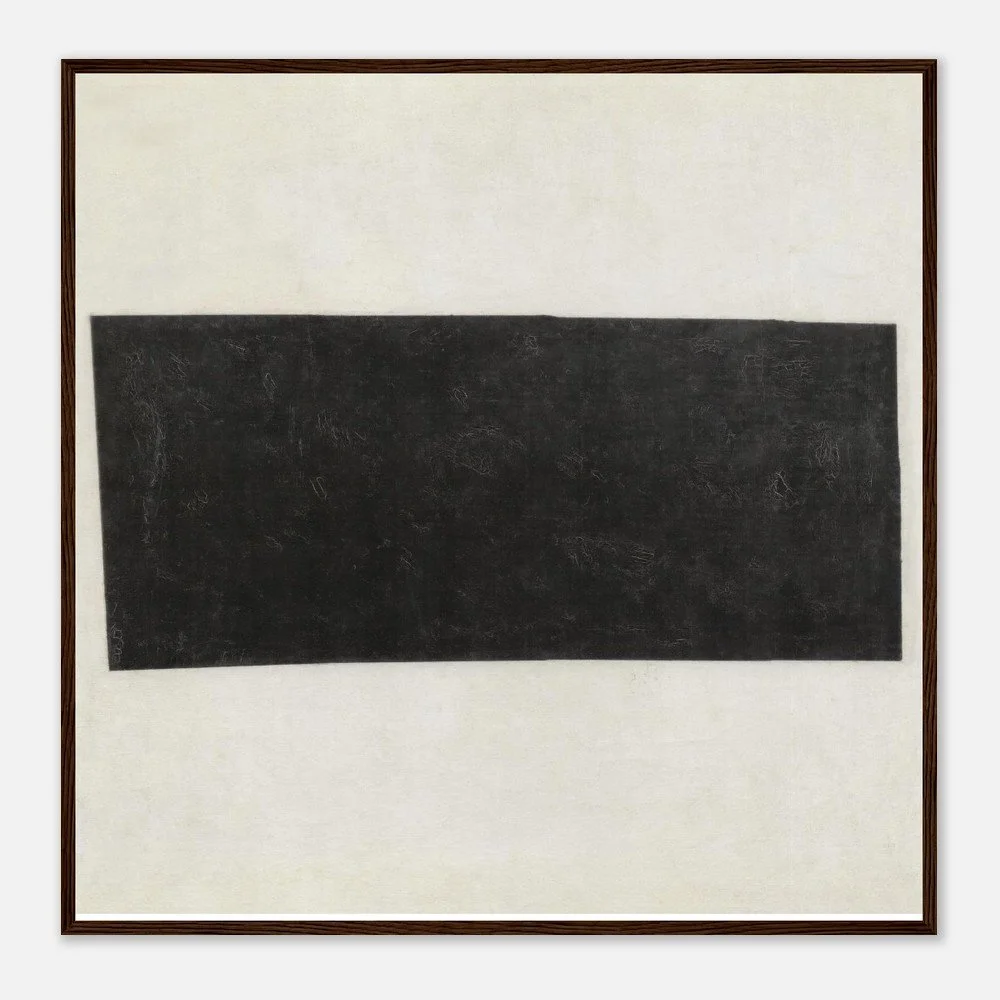 Image 1 of 20
 Image 2 of 20
 Image 3 of 20
 Image 4 of 20
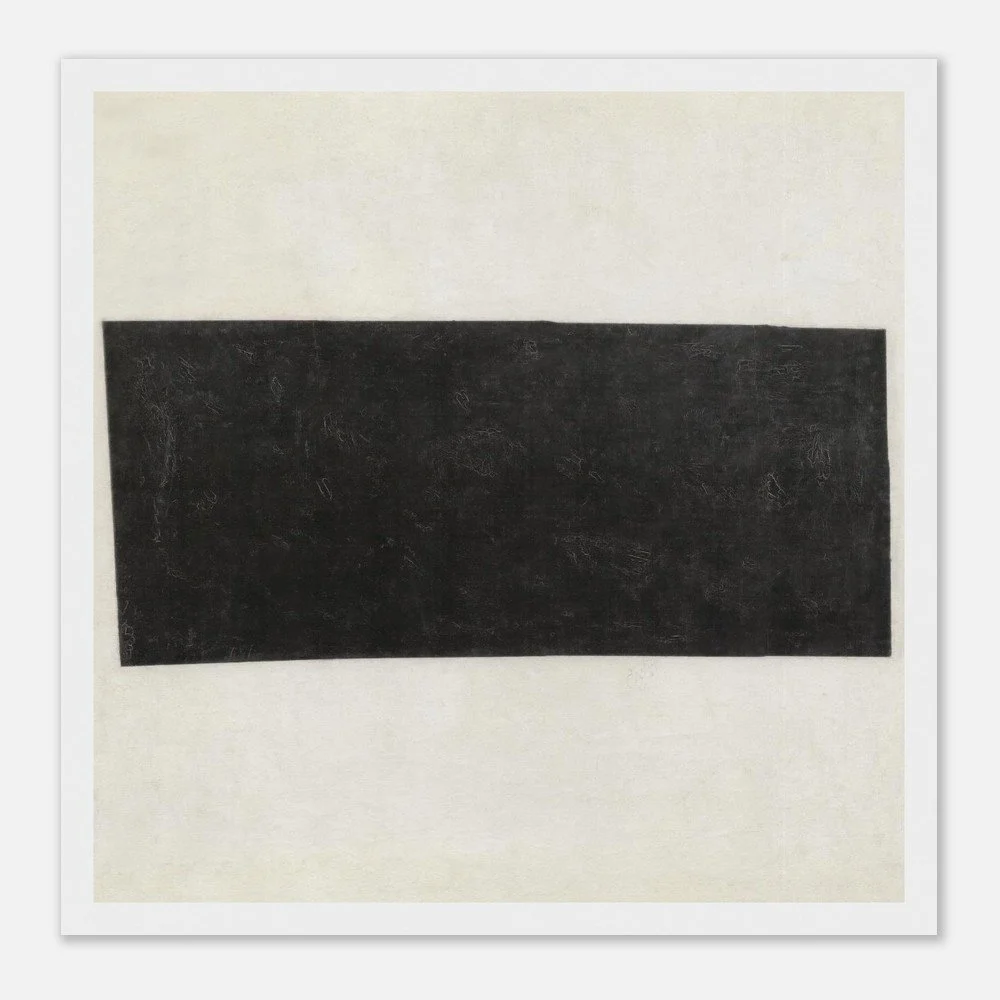 Image 5 of 20
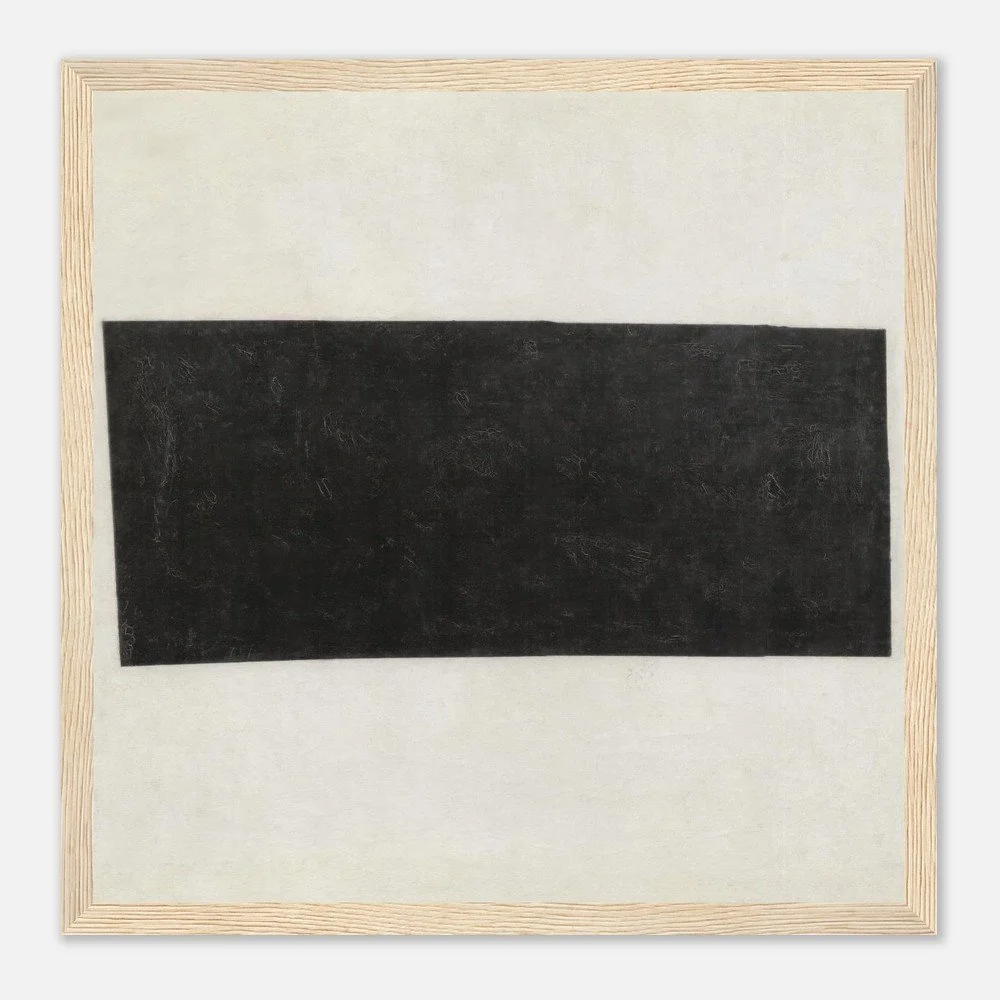 Image 6 of 20
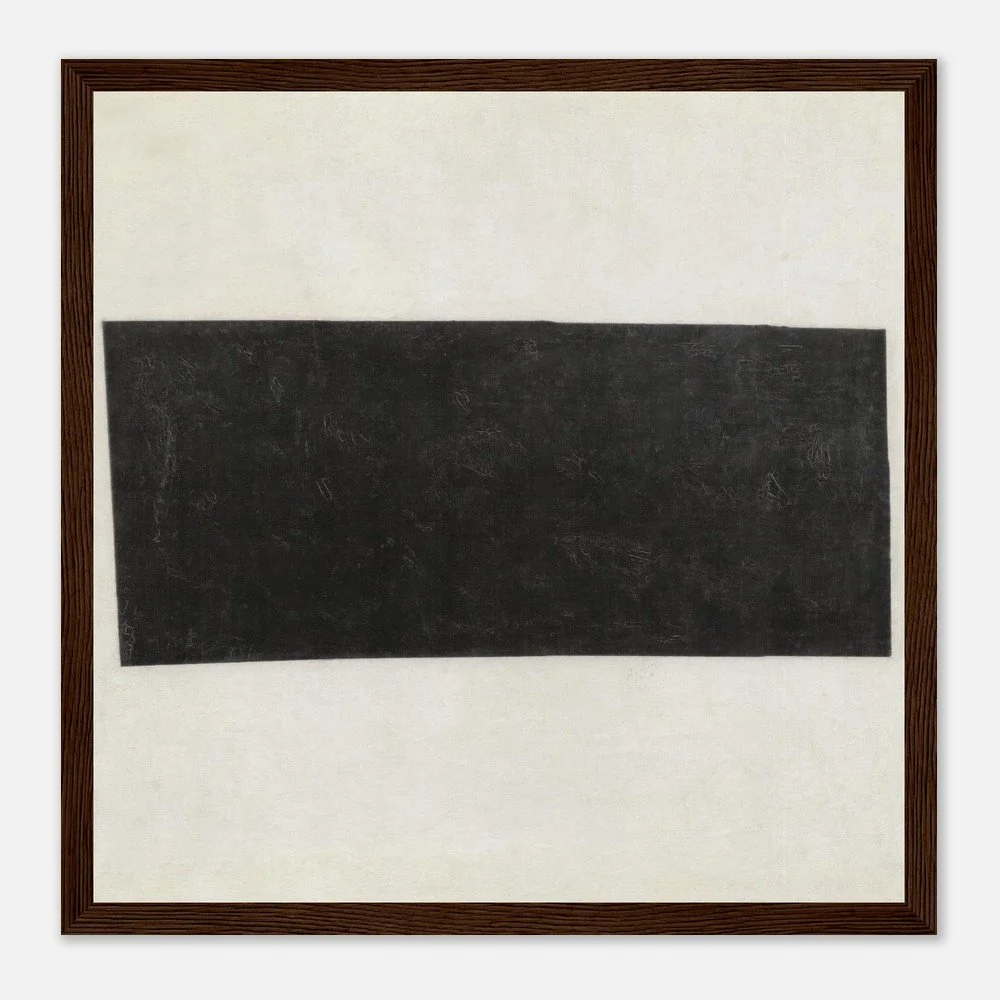 Image 7 of 20
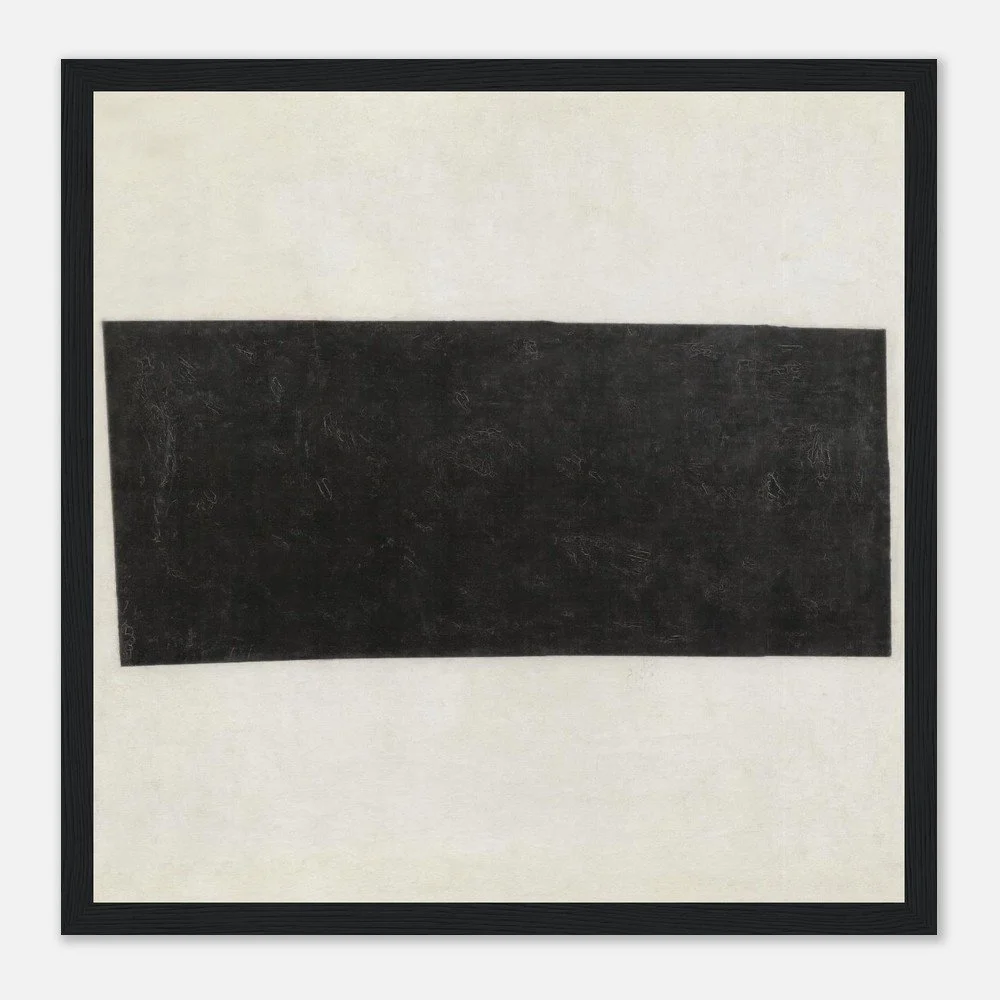 Image 8 of 20
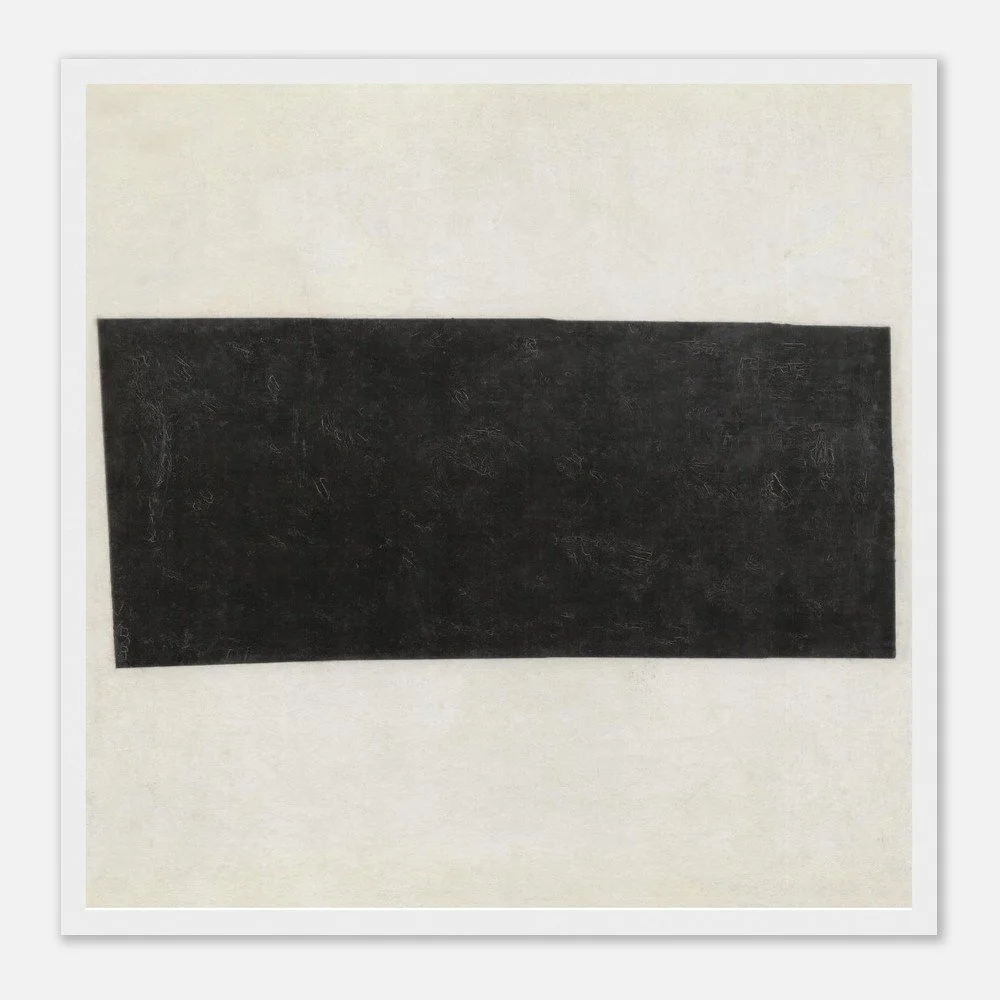 Image 9 of 20
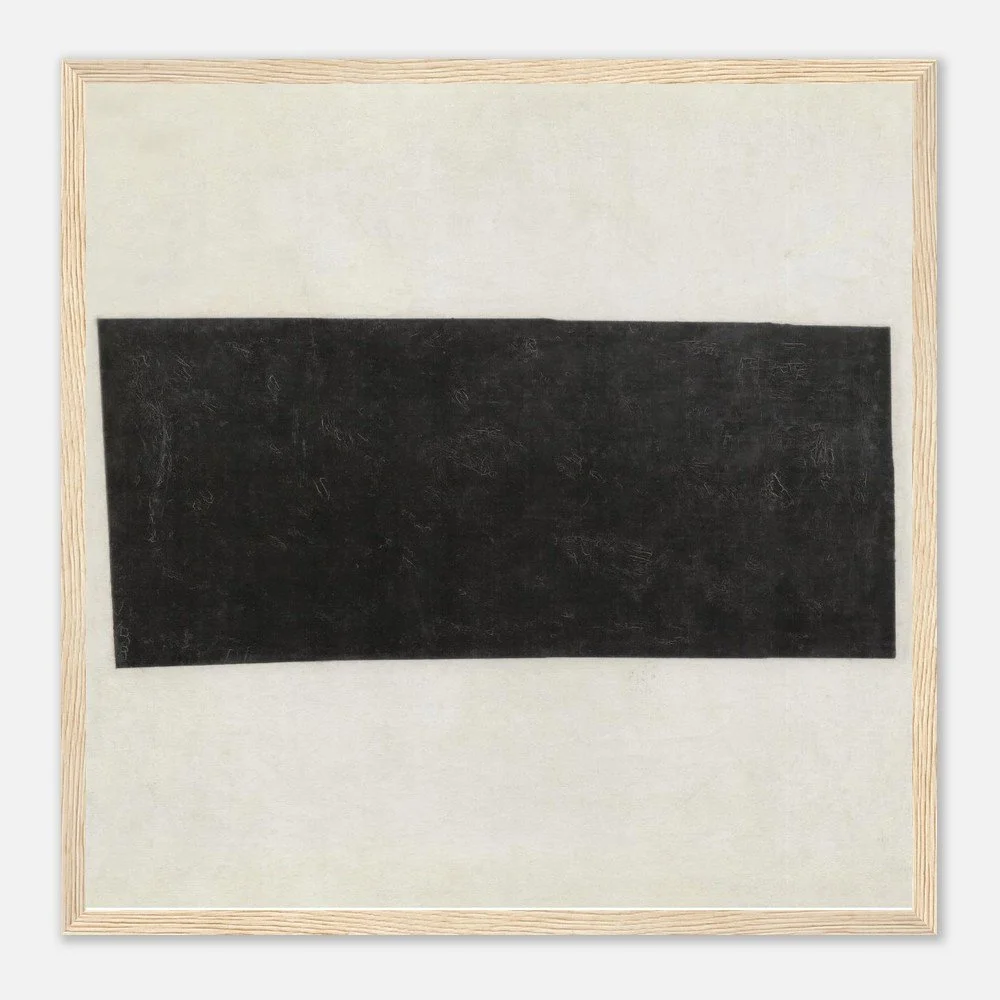 Image 10 of 20
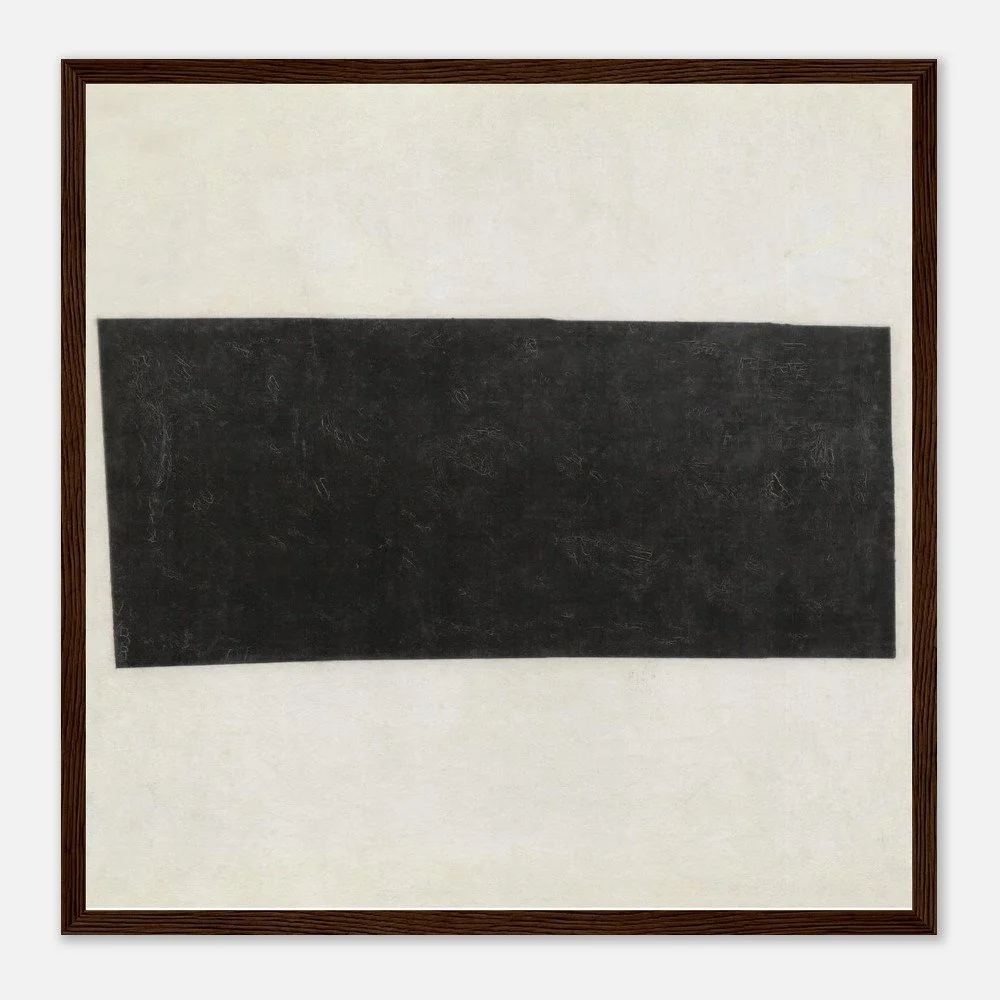 Image 11 of 20
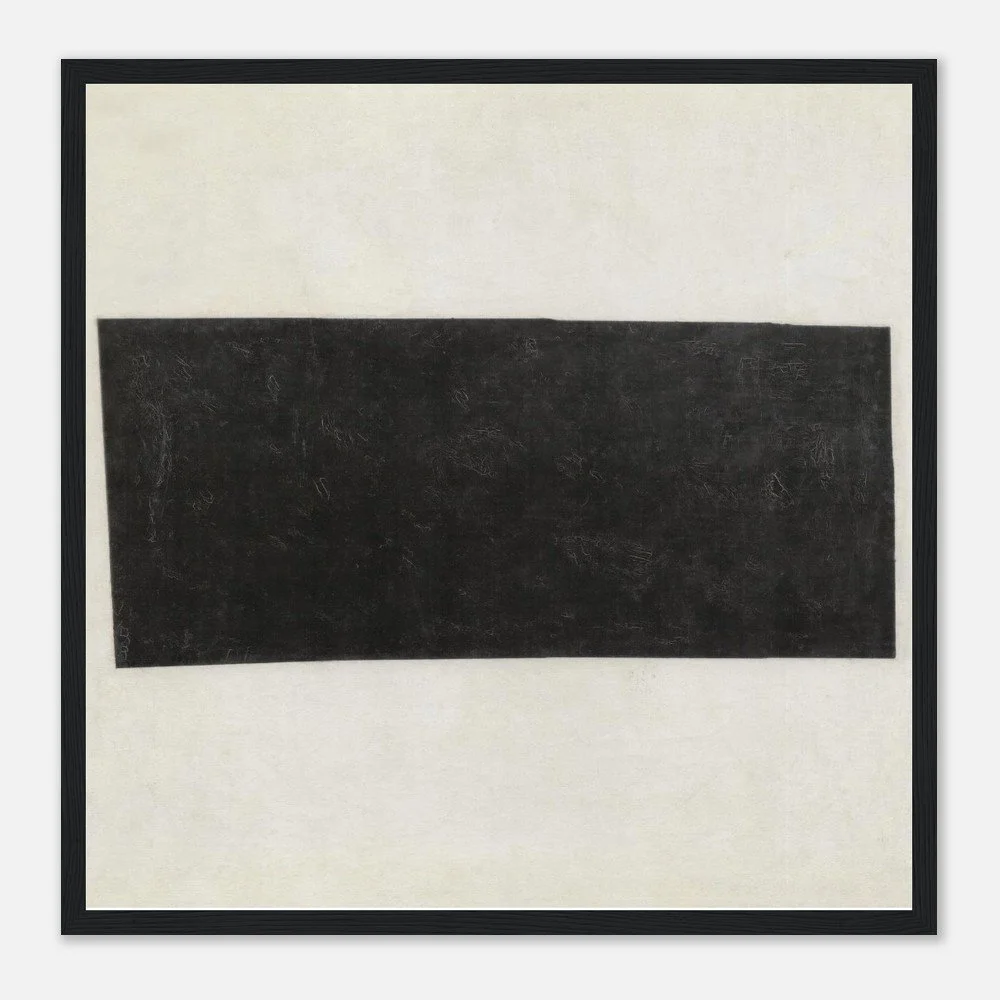 Image 12 of 20
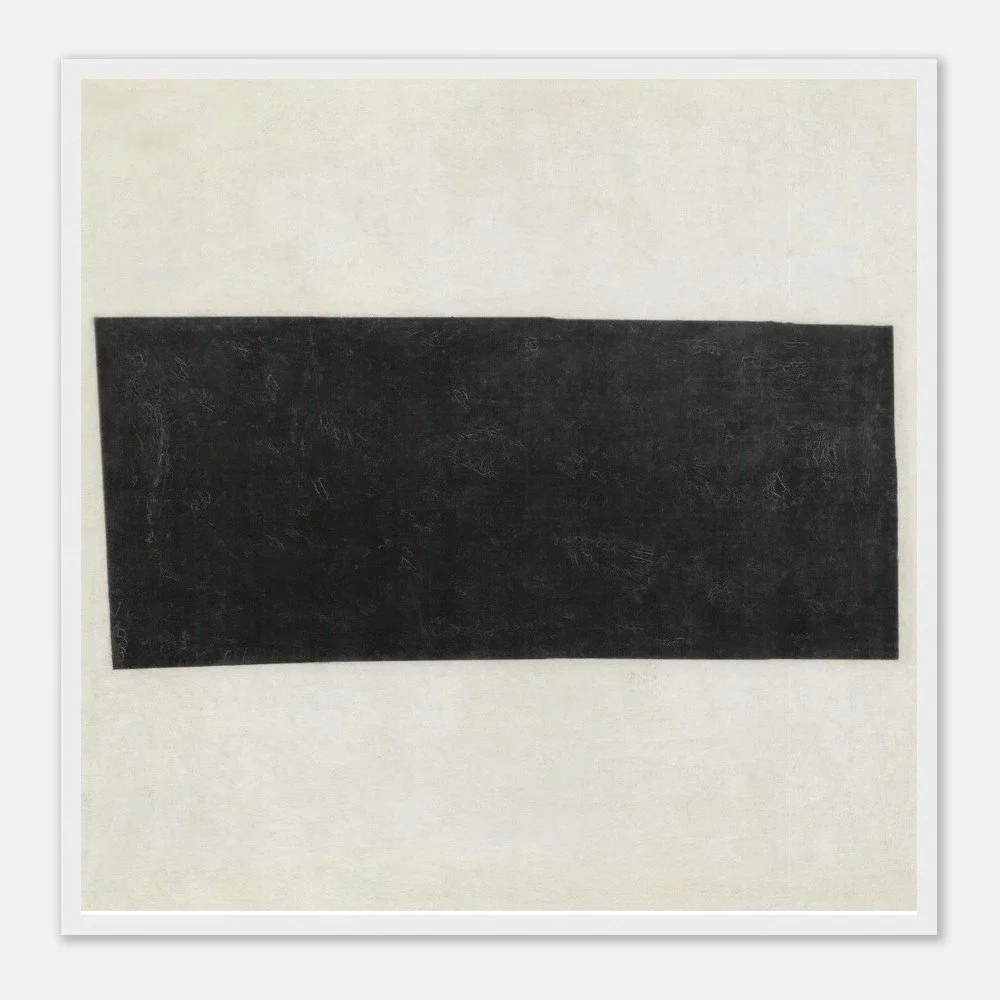 Image 13 of 20
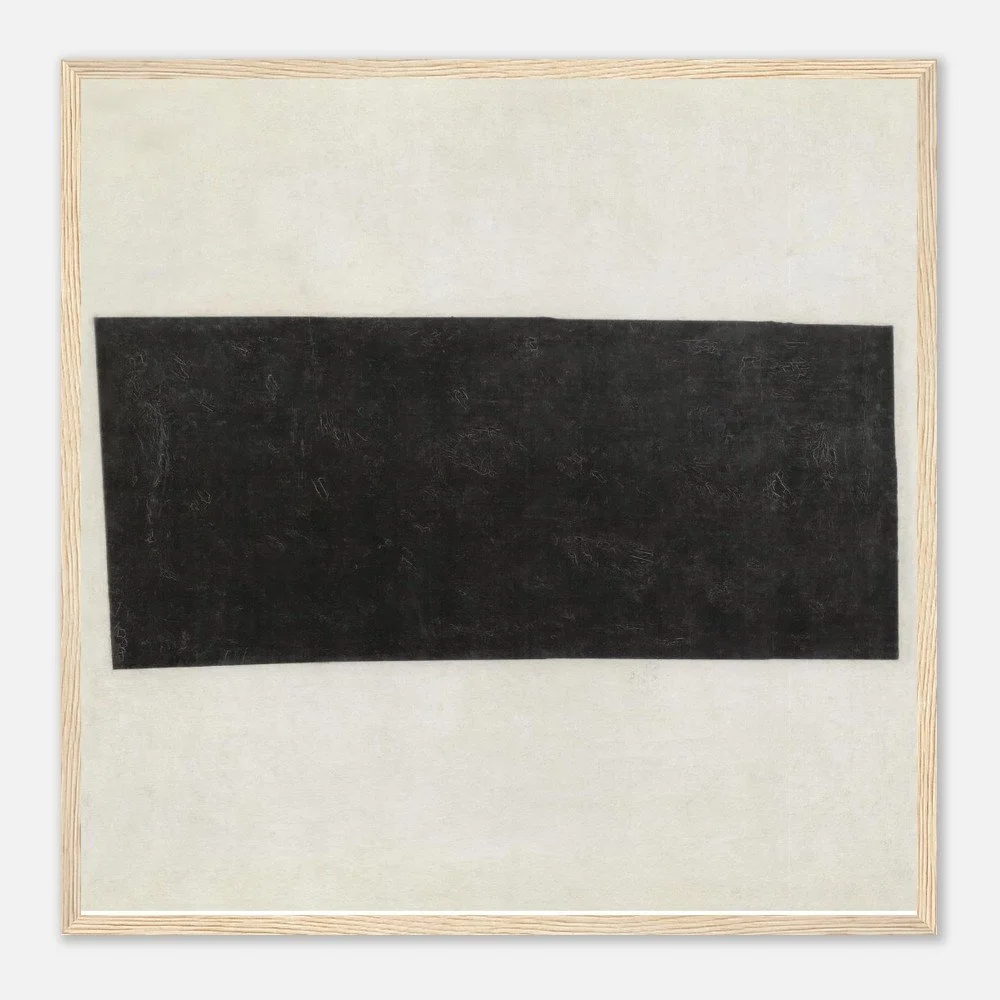 Image 14 of 20
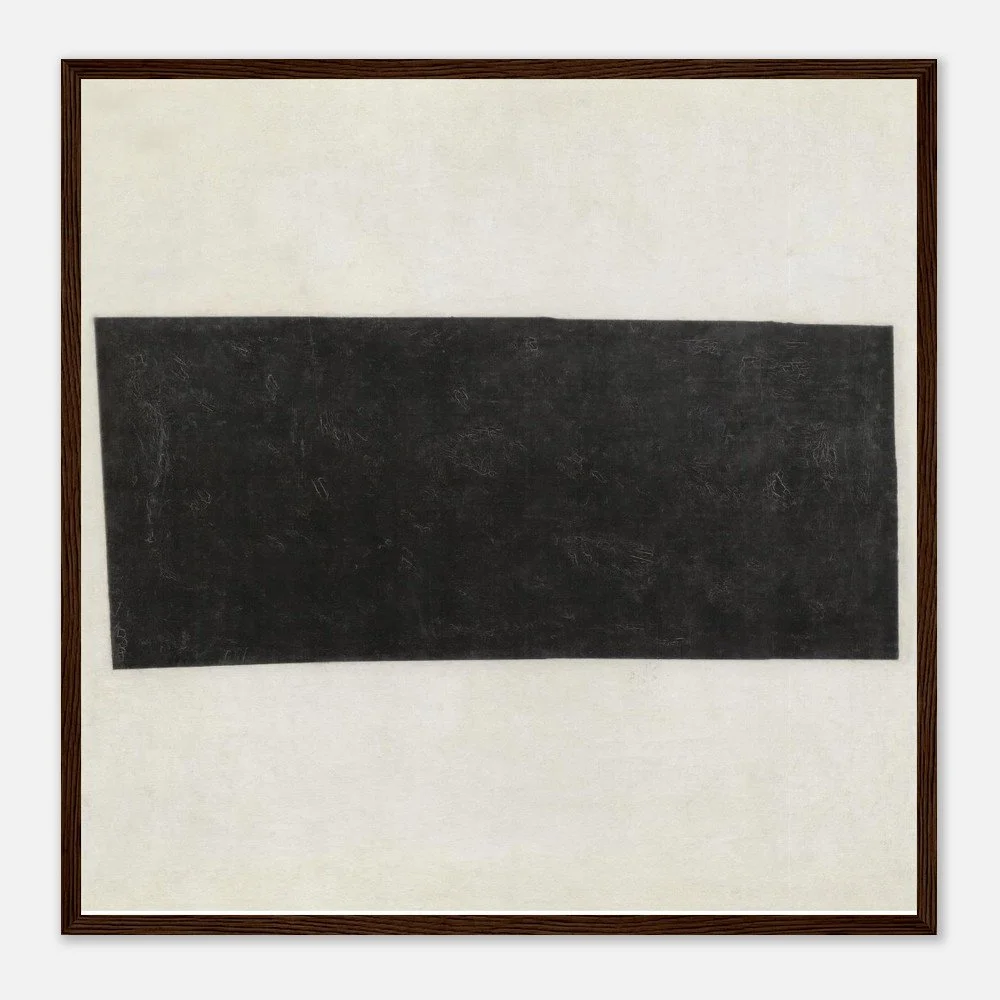 Image 15 of 20
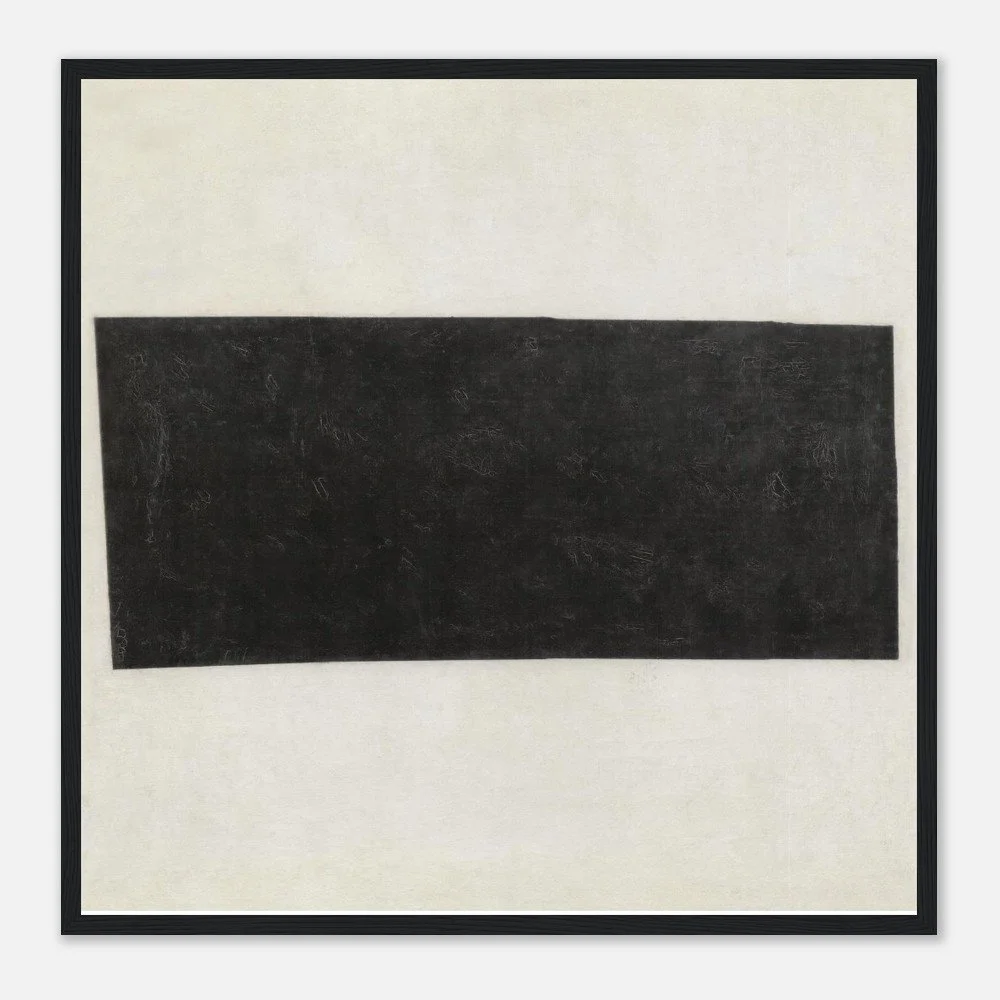 Image 16 of 20
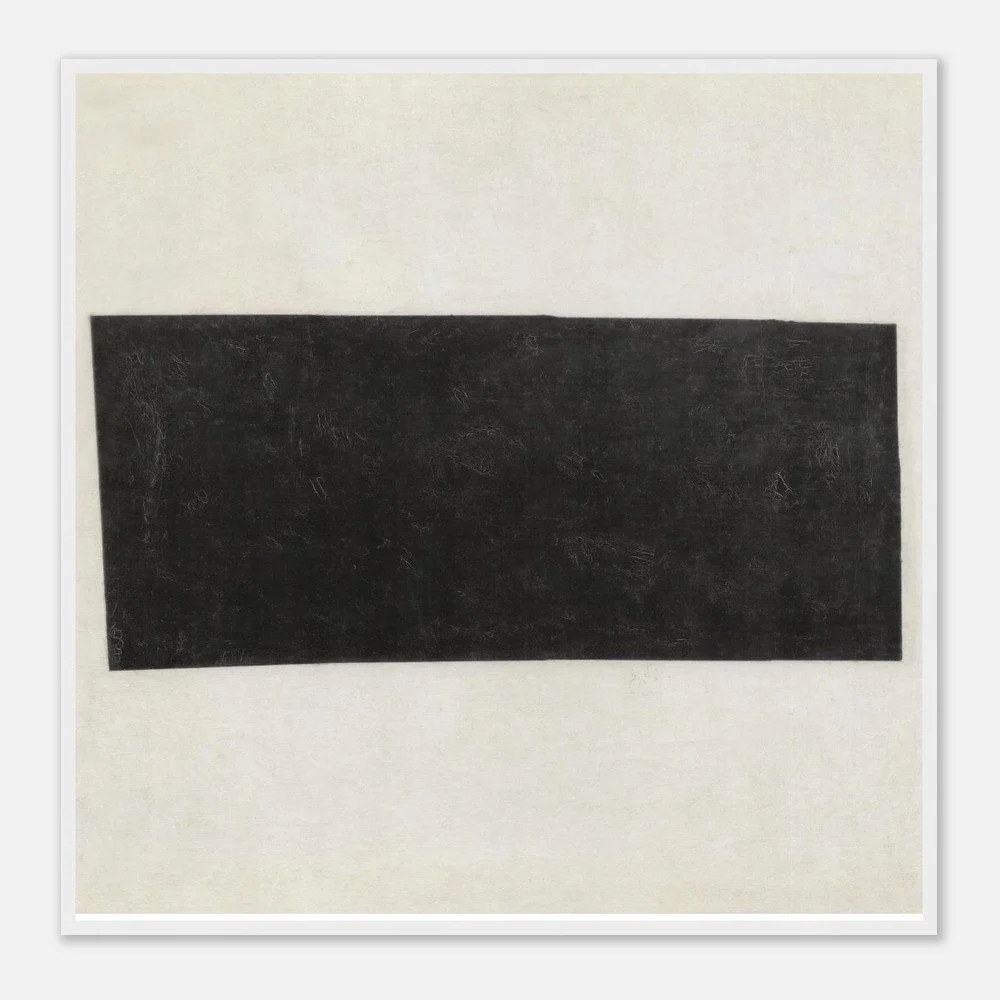 Image 17 of 20
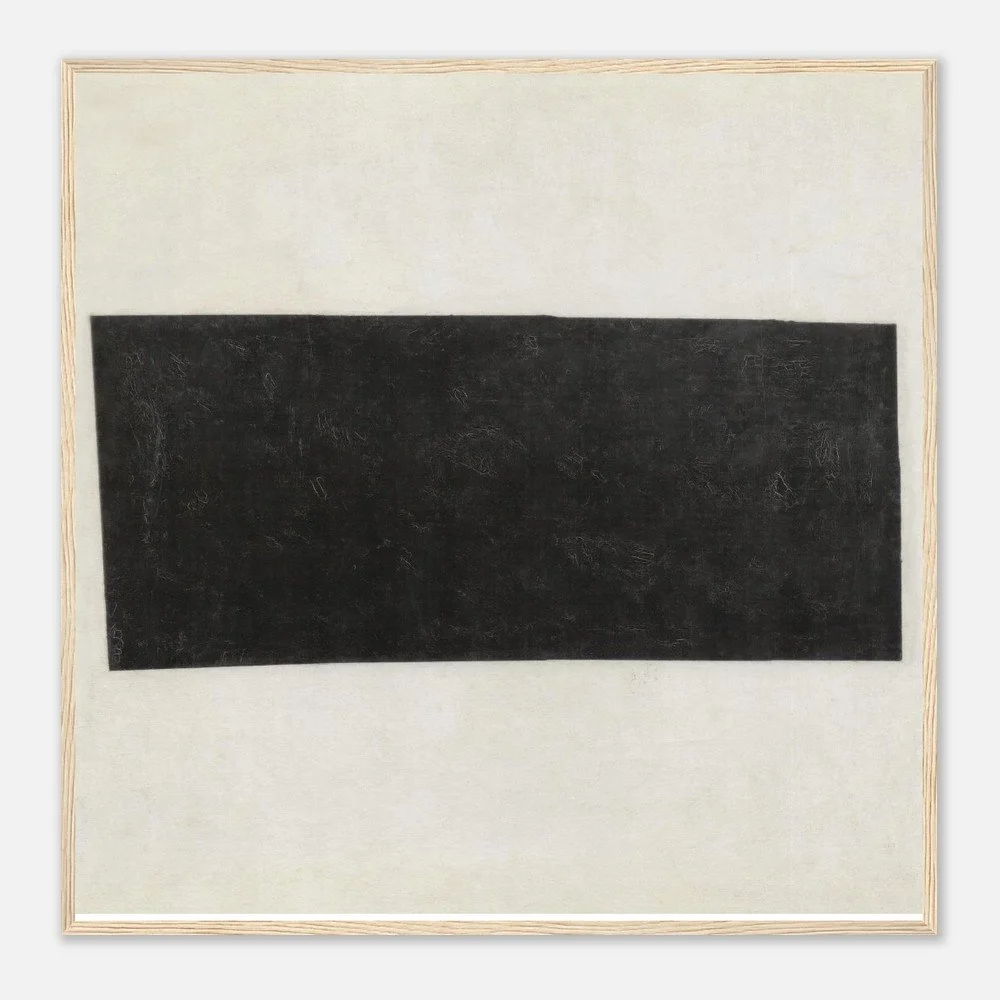 Image 18 of 20
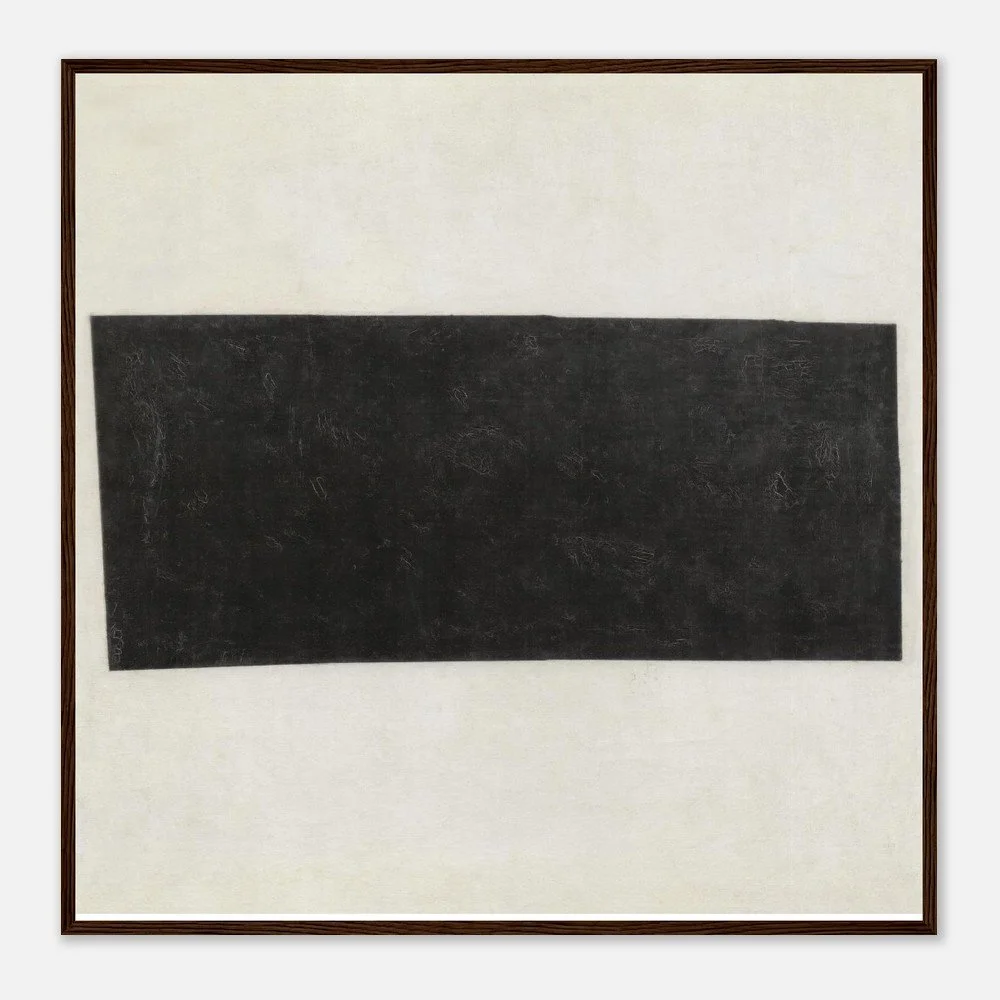 Image 19 of 20
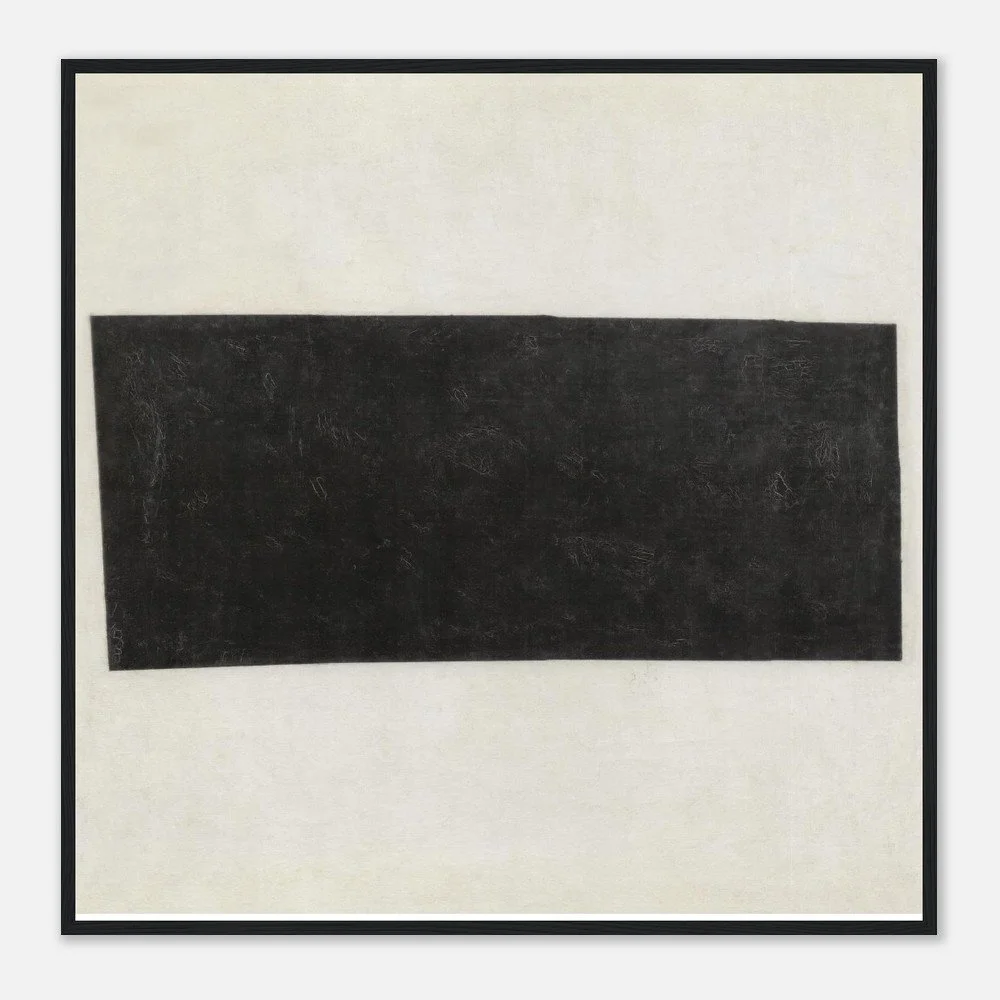 Image 20 of 20