Giorgio Morandi (1890–1964)
Giorgio Morandiwas born in Bologna, Italy, where he spent most of his life and rarely left his hometown. He studied at the Academy of Fine Arts of Bologna in the 1910s and later became a professor there.During World War I, Morandi briefly served in the military. After his discharge, he withdrew from the bustle of urban life, dedicating himself to painting quiet still lifes in his studio and the subtle landscapes seen from his window.
Morandi is best known for his reductive still lifes, often featuring bottles, jars, boxes, and simple vessels. He repeatedly arranged the same objects, exploring delicate variations in tone, the rhythm of light and shadow, and the tension of spatial relationships. Although he was briefly influenced by Metaphysical Painting and Cubism in his early years, by the 1920s he moved away from bold formal experimentation. Instead, he developed a restrained palette of soft grays, beiges, and earthy hues, creating compositions that evoke a meditative stillness. His subtle brushwork and quiet aesthetic are now regarded as precursors to Minimalism and Abstract art.
Through the simplest bottles and the most restrained palette, Morandi proved that the ordinary can embody profound depth and timelessness.
Material : Premium Matte Paper
Giorgio Morandi (1890–1964)
Giorgio Morandiwas born in Bologna, Italy, where he spent most of his life and rarely left his hometown. He studied at the Academy of Fine Arts of Bologna in the 1910s and later became a professor there.During World War I, Morandi briefly served in the military. After his discharge, he withdrew from the bustle of urban life, dedicating himself to painting quiet still lifes in his studio and the subtle landscapes seen from his window.
Morandi is best known for his reductive still lifes, often featuring bottles, jars, boxes, and simple vessels. He repeatedly arranged the same objects, exploring delicate variations in tone, the rhythm of light and shadow, and the tension of spatial relationships. Although he was briefly influenced by Metaphysical Painting and Cubism in his early years, by the 1920s he moved away from bold formal experimentation. Instead, he developed a restrained palette of soft grays, beiges, and earthy hues, creating compositions that evoke a meditative stillness. His subtle brushwork and quiet aesthetic are now regarded as precursors to Minimalism and Abstract art.
Through the simplest bottles and the most restrained palette, Morandi proved that the ordinary can embody profound depth and timelessness.
Material : Premium Matte Paper

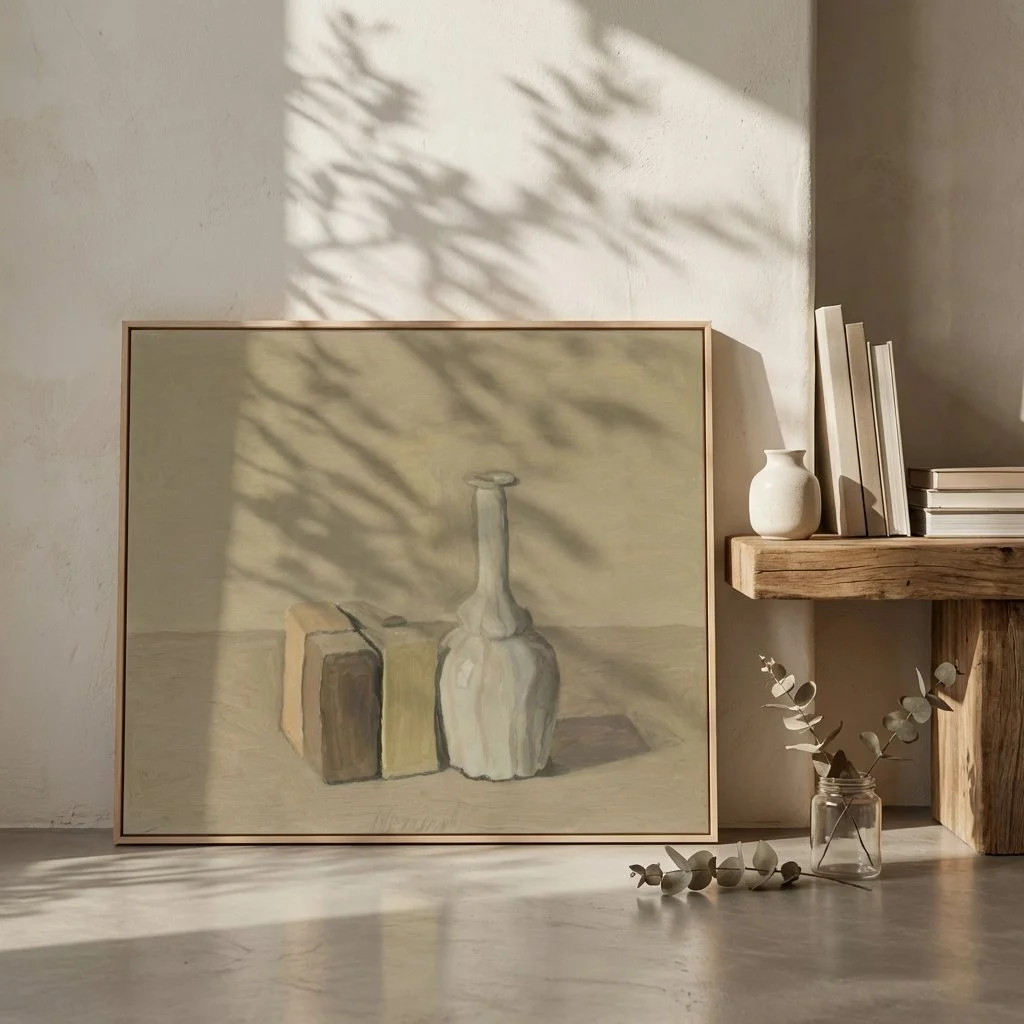 Image 1 of 22
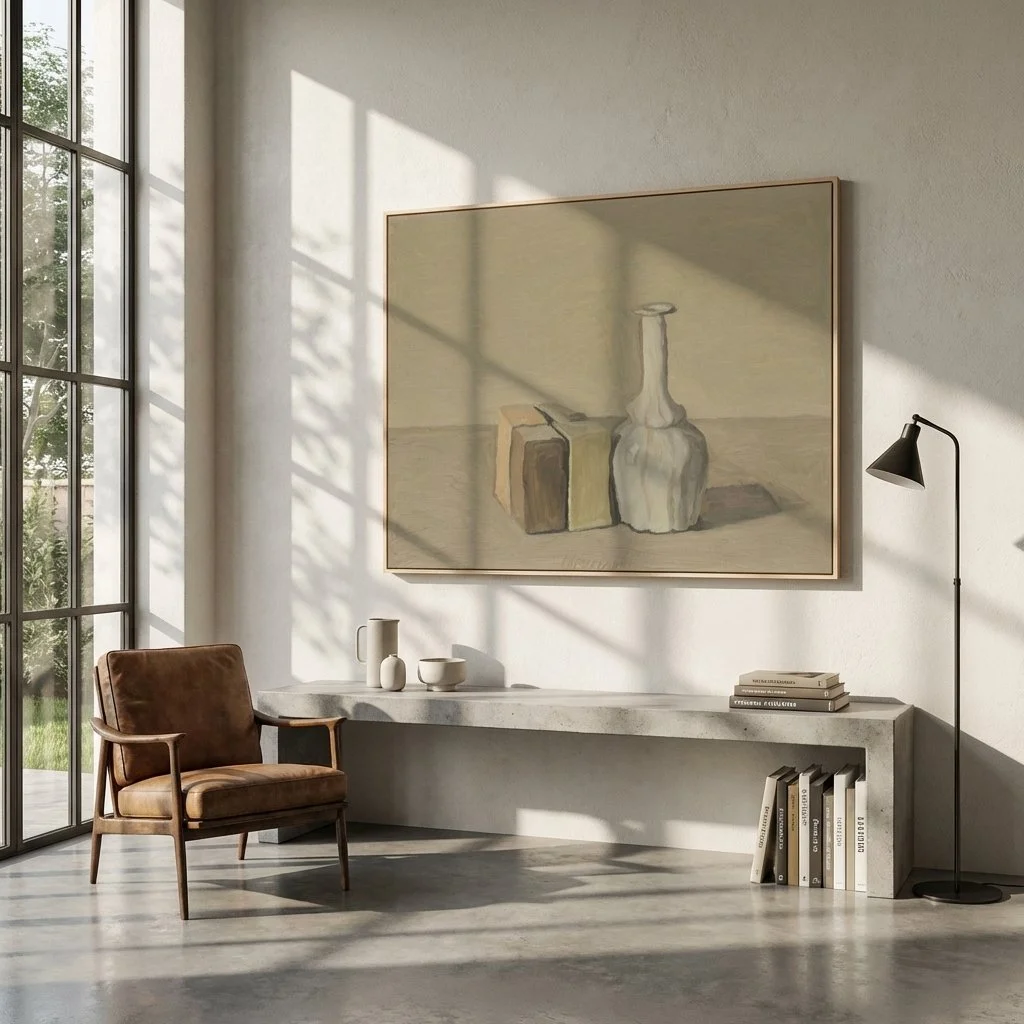 Image 2 of 22
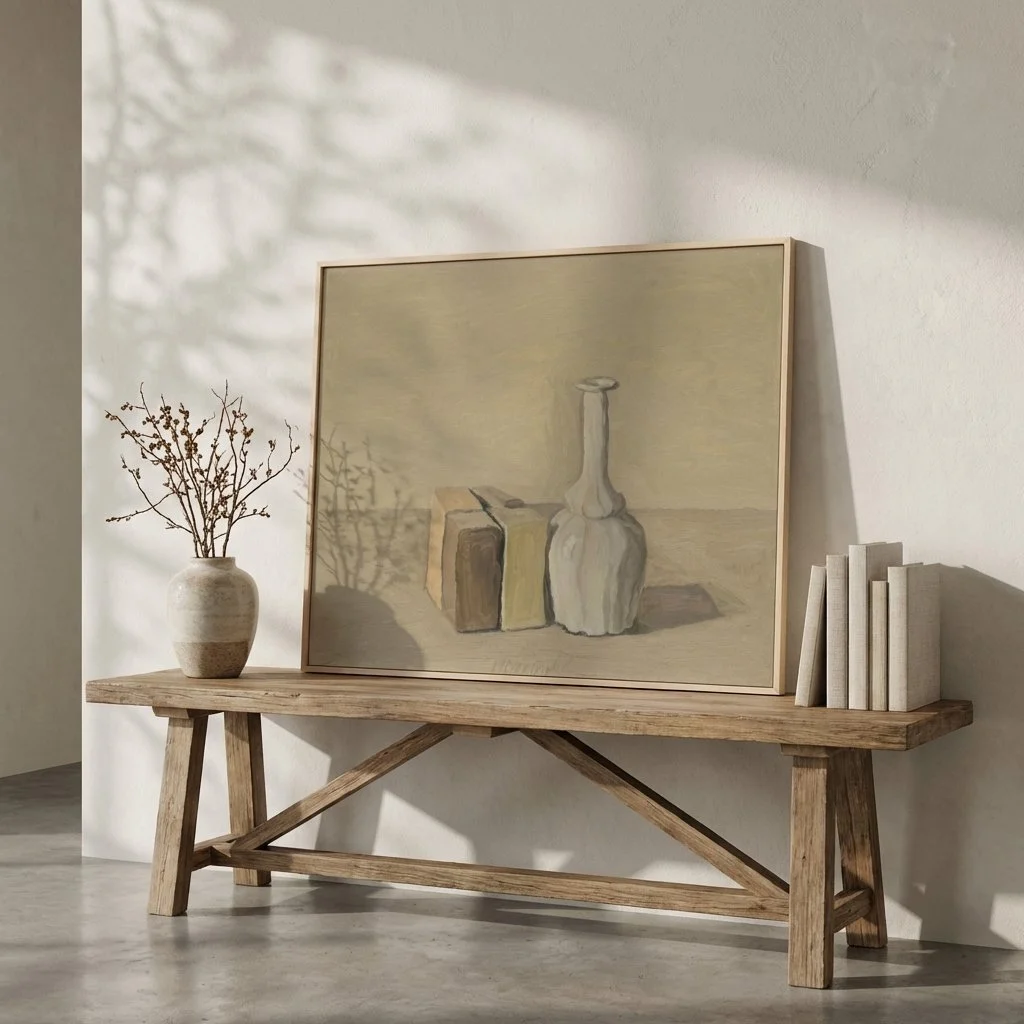 Image 3 of 22
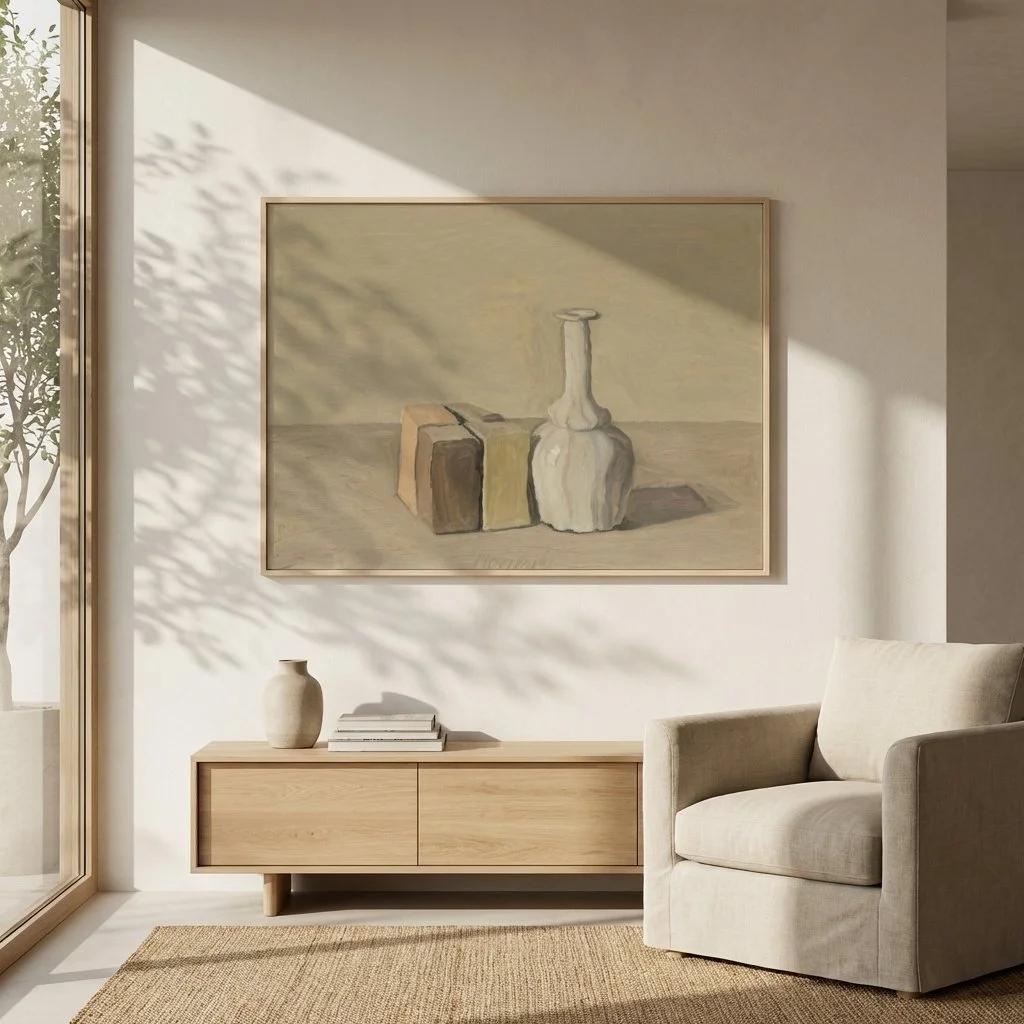 Image 4 of 22
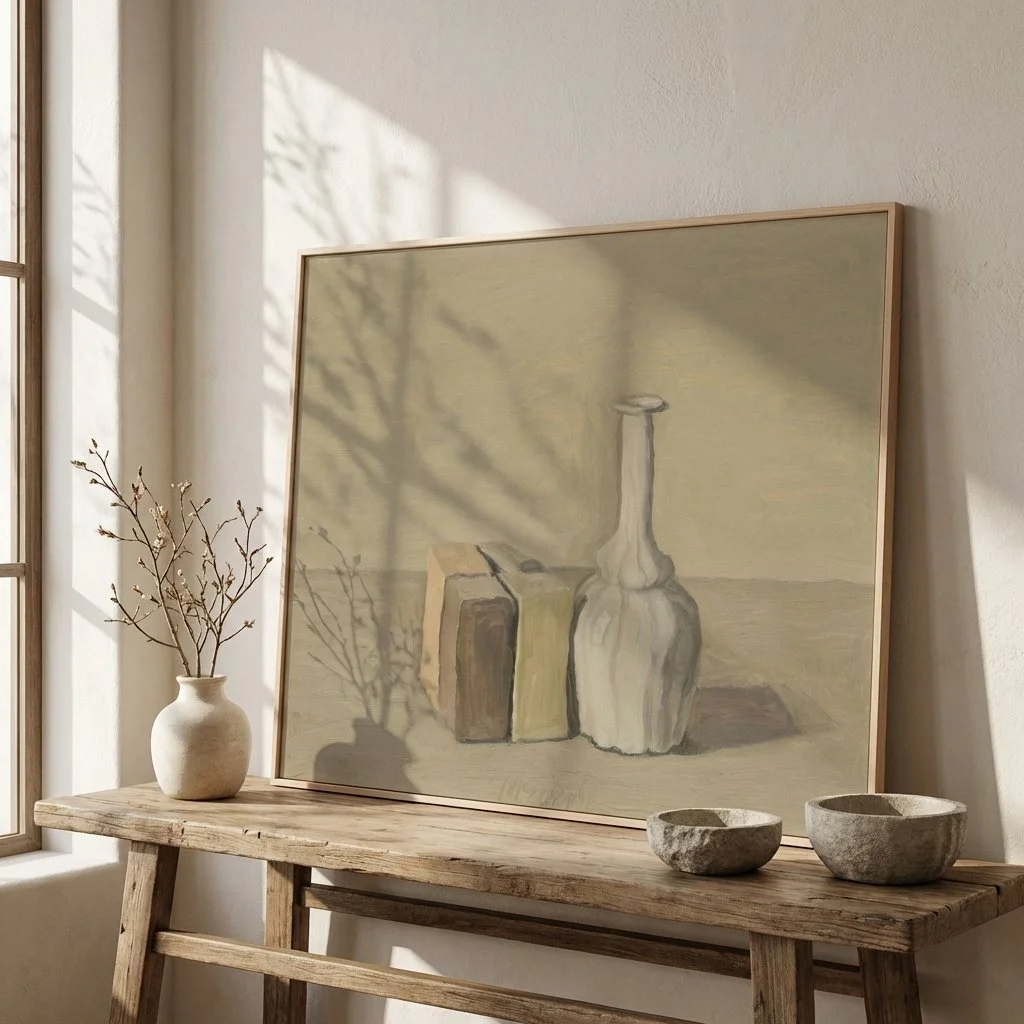 Image 5 of 22
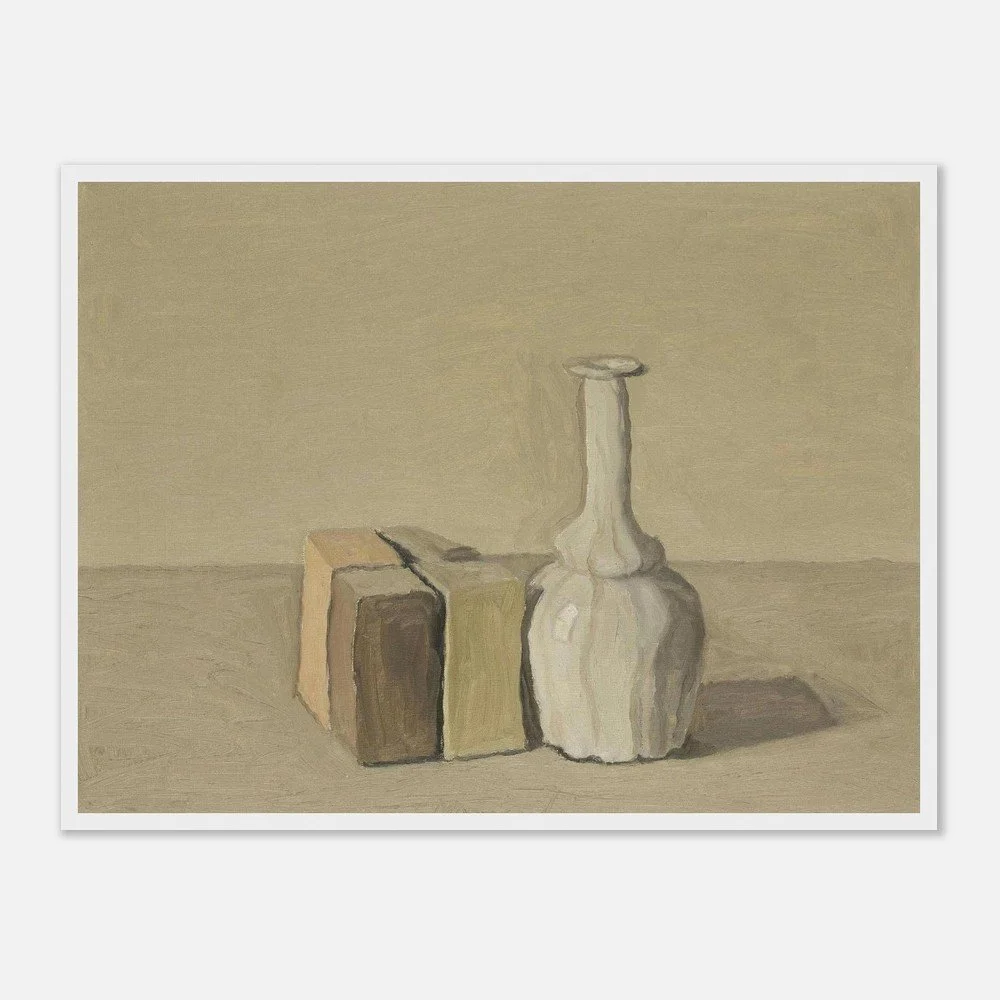 Image 6 of 22
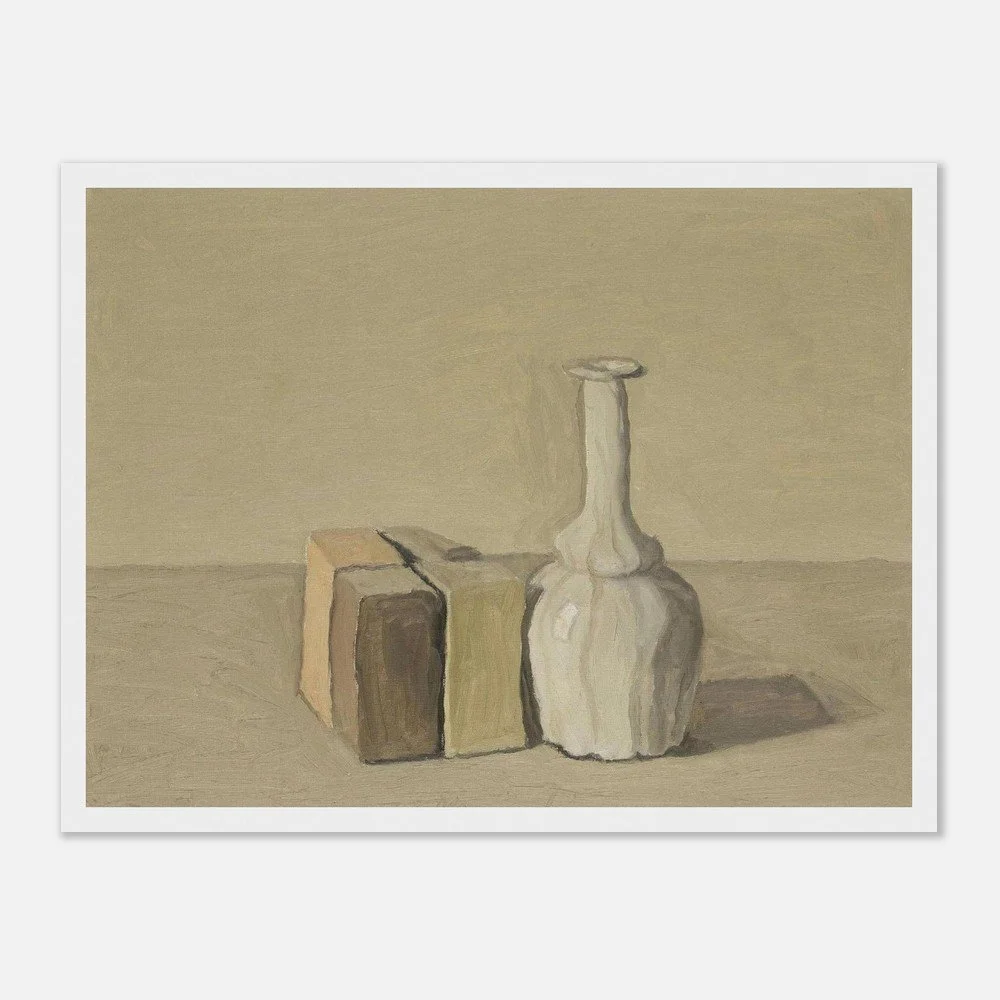 Image 7 of 22
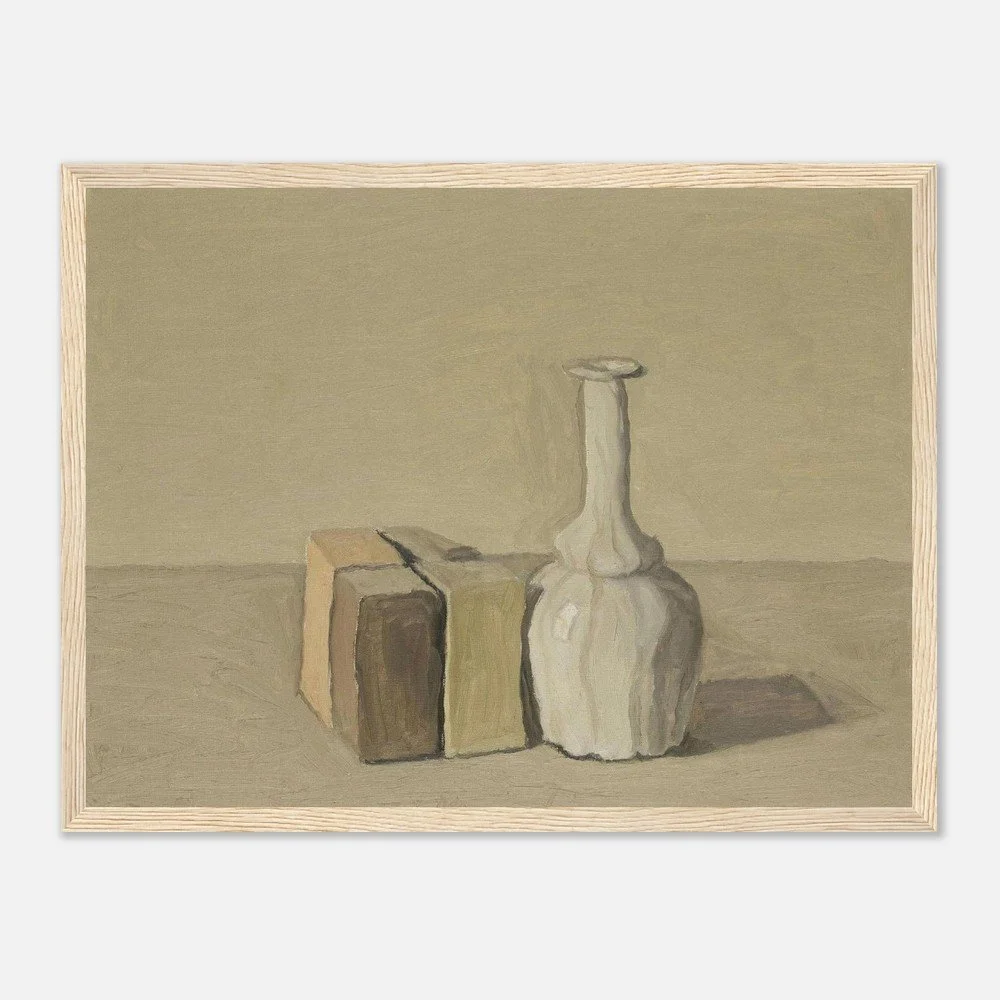 Image 8 of 22
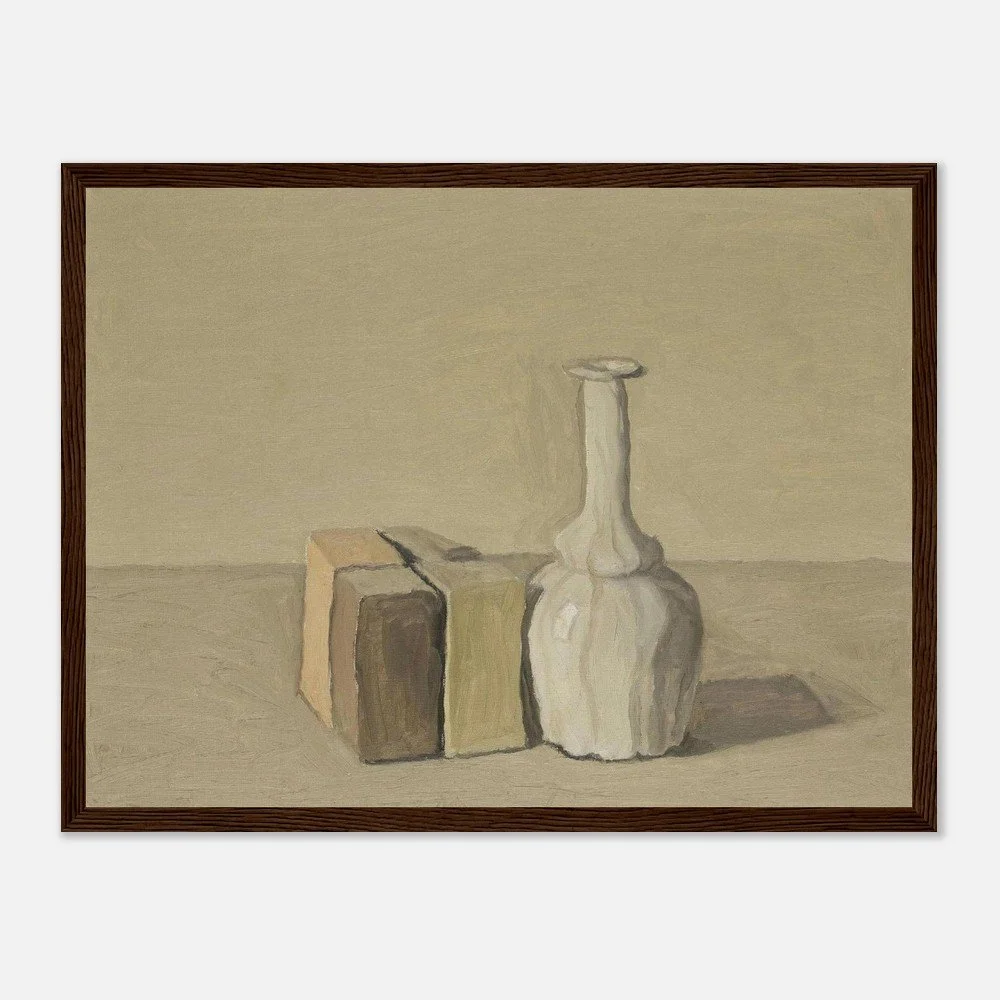 Image 9 of 22
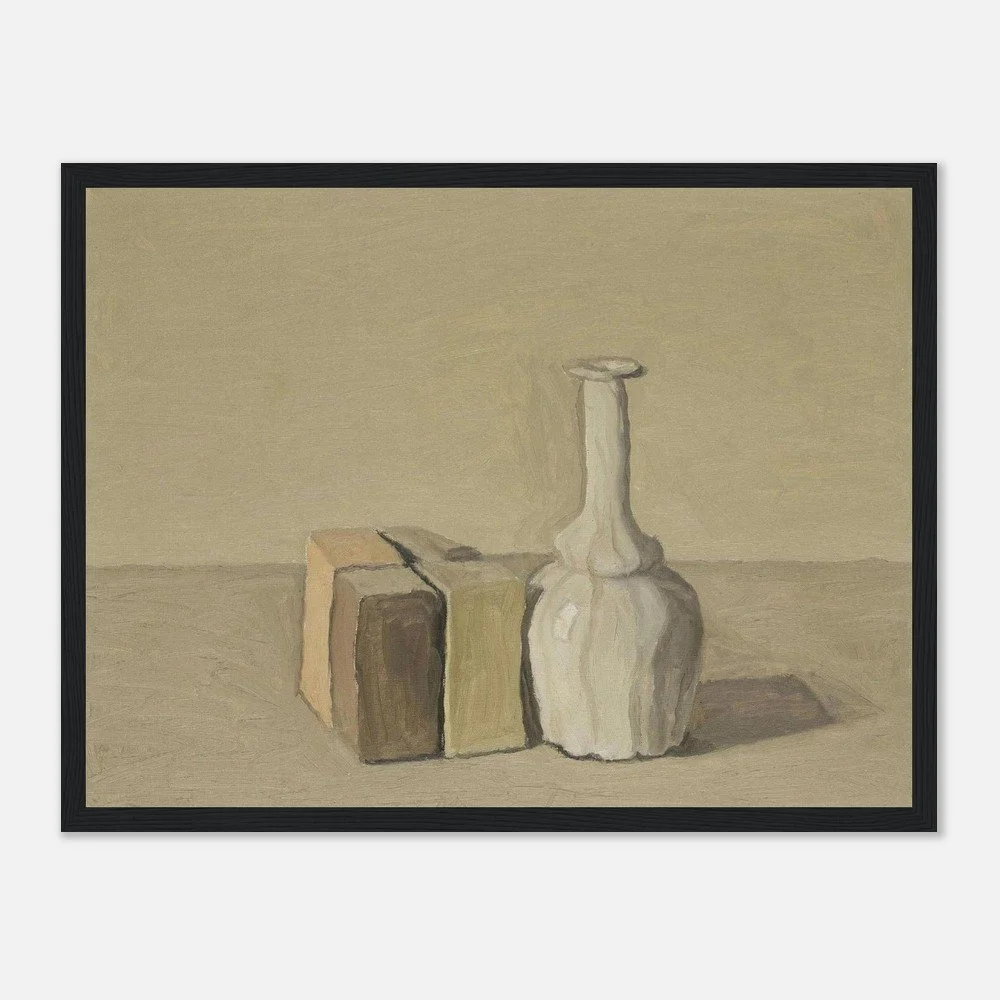 Image 10 of 22
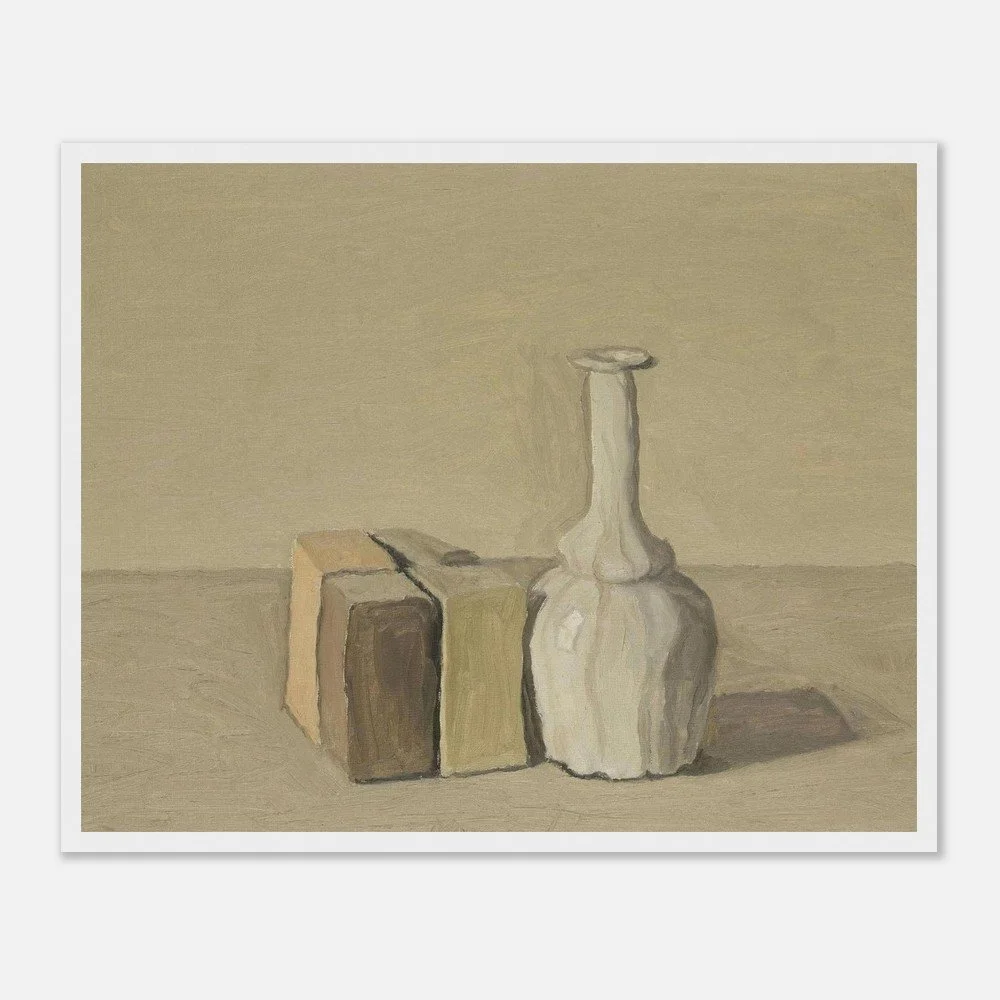 Image 11 of 22
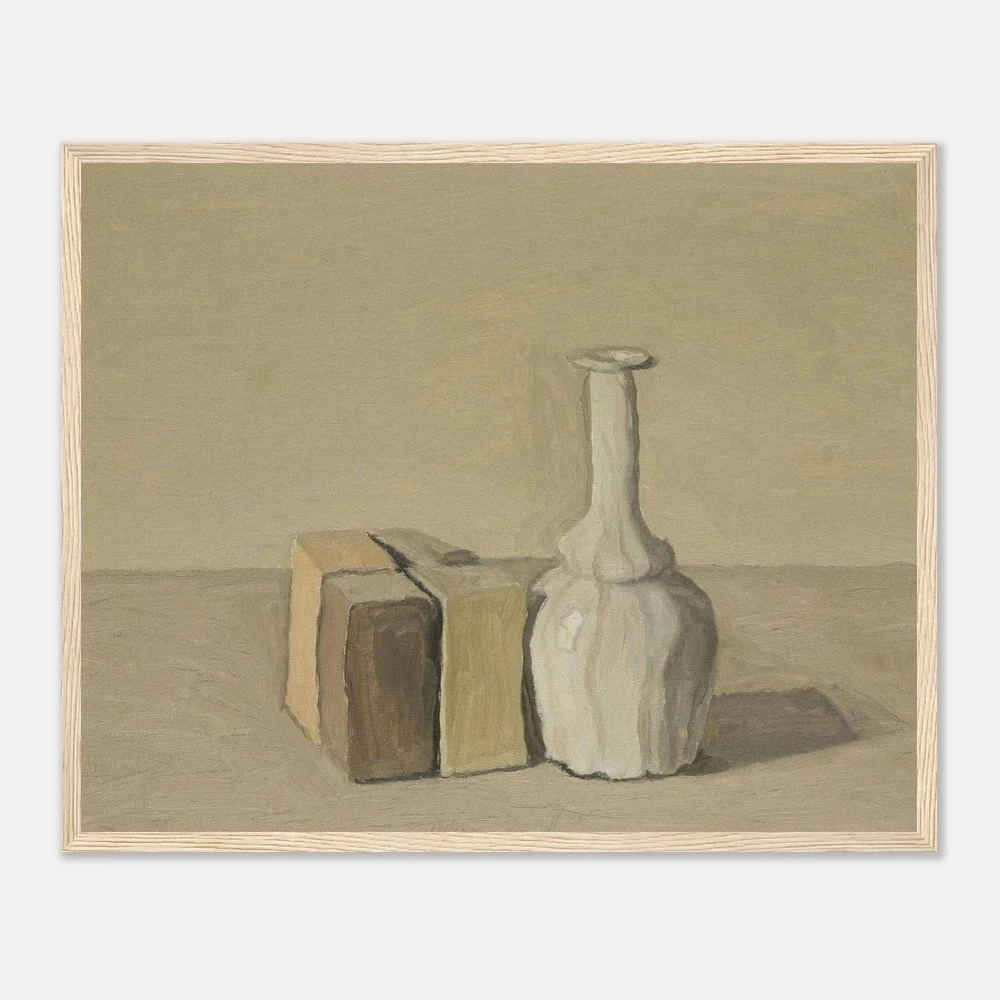 Image 12 of 22
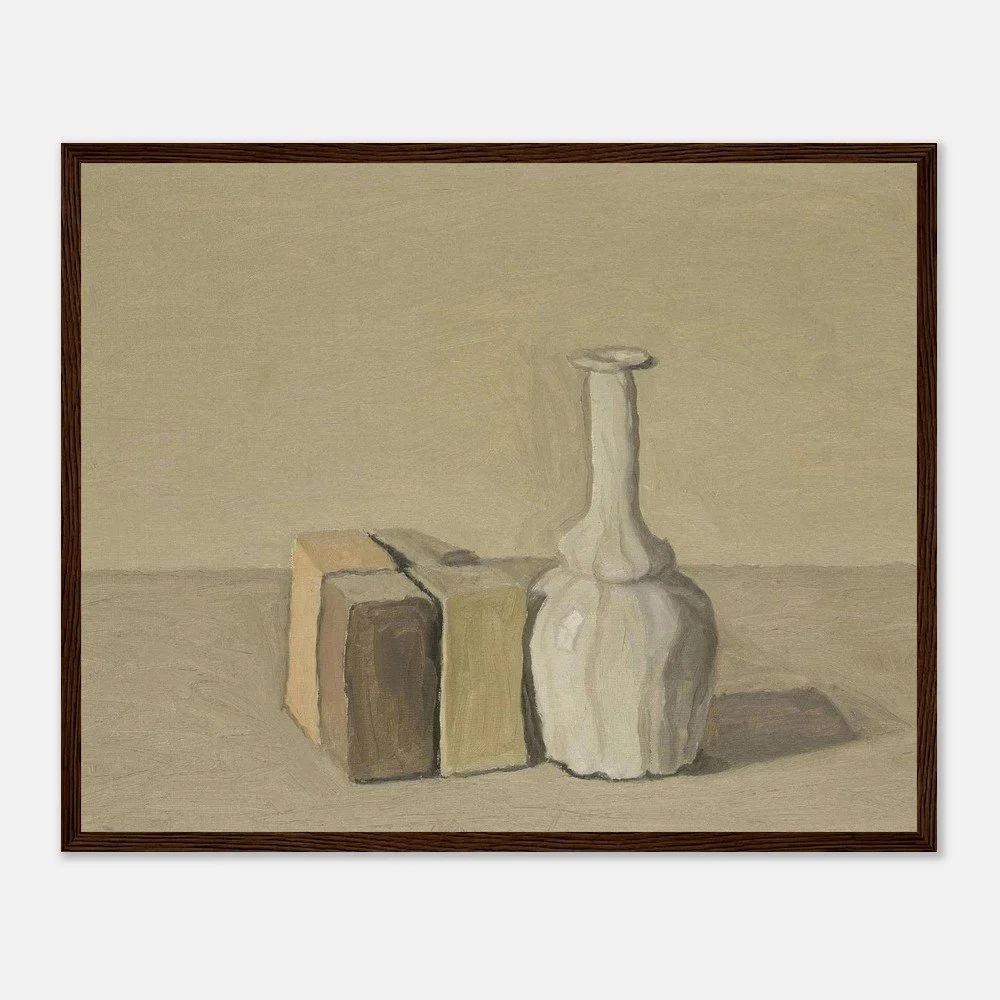 Image 13 of 22
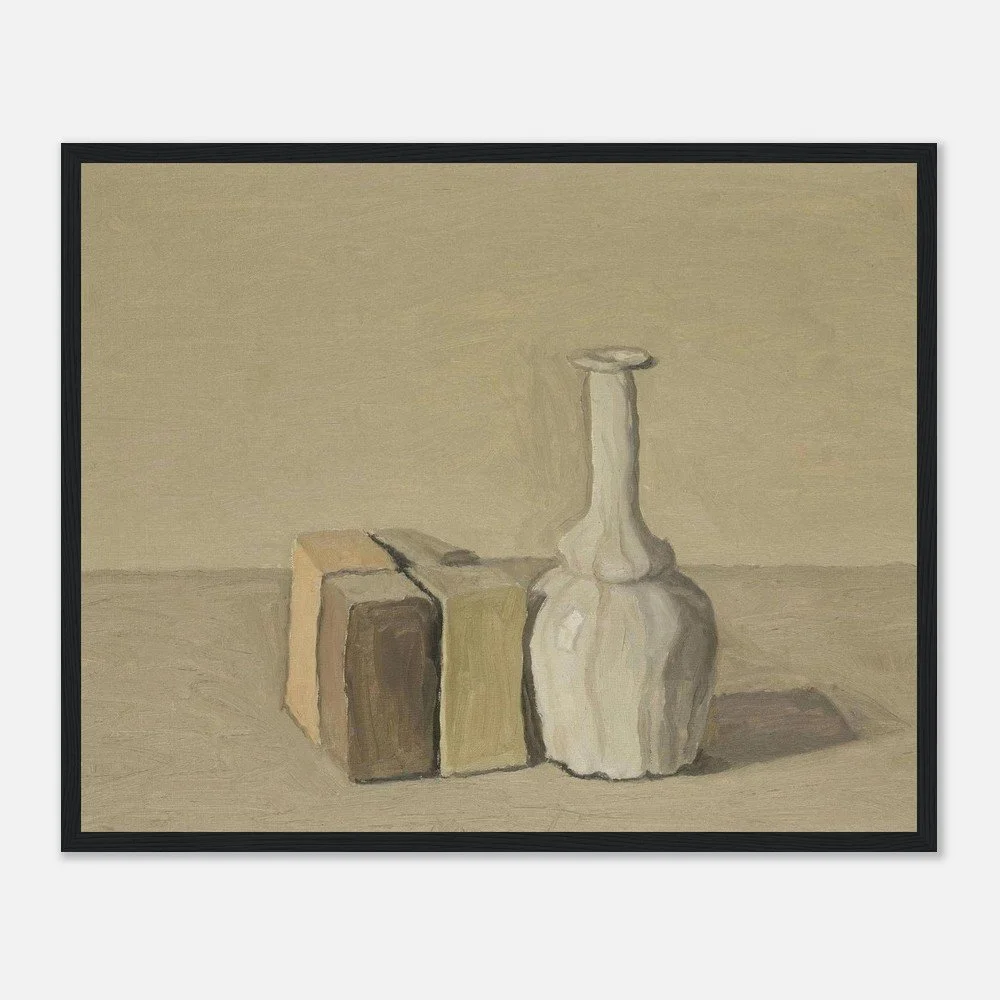 Image 14 of 22
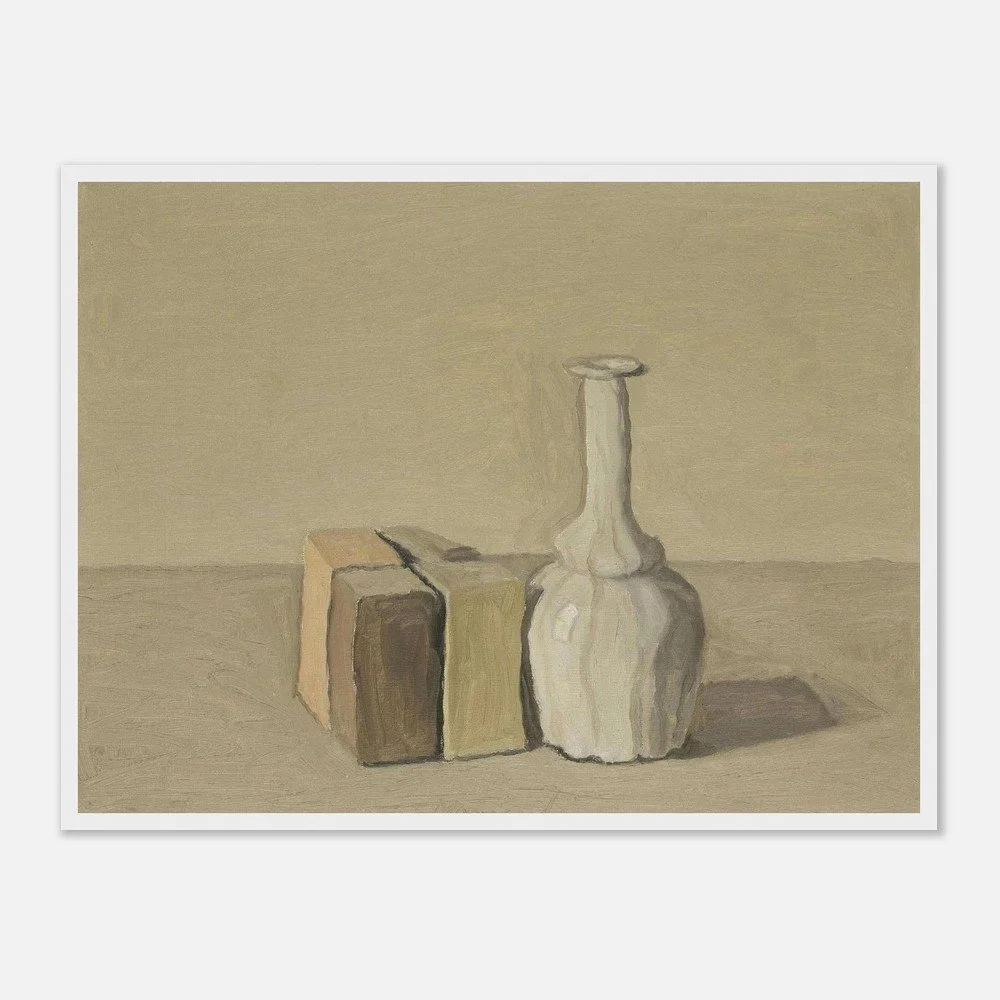 Image 15 of 22
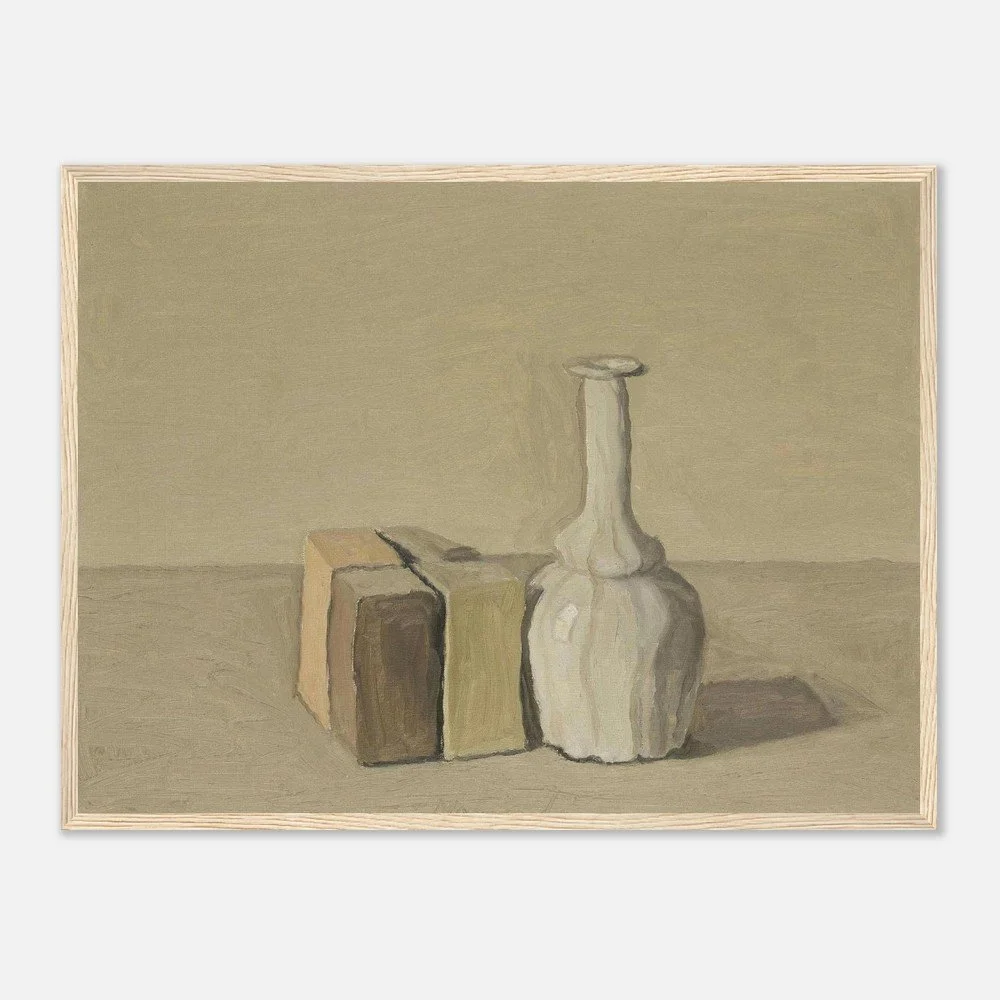 Image 16 of 22
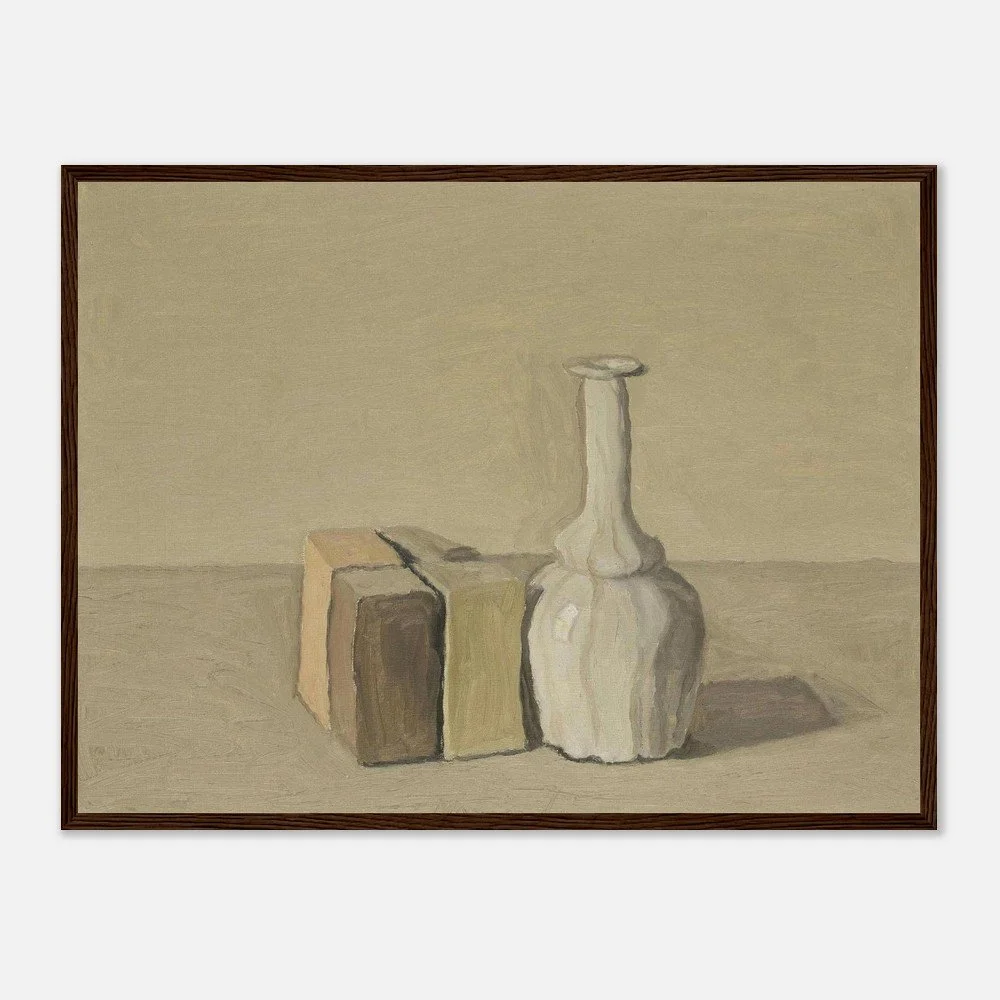 Image 17 of 22
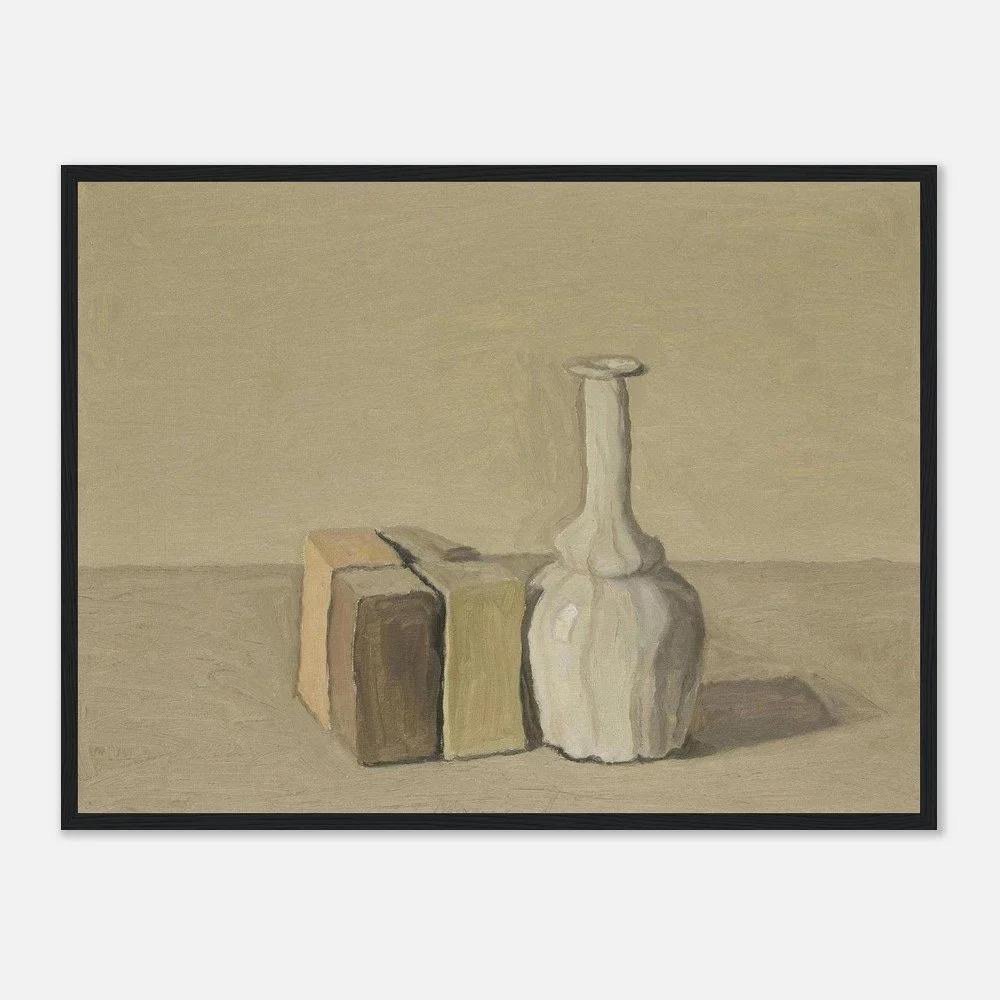 Image 18 of 22
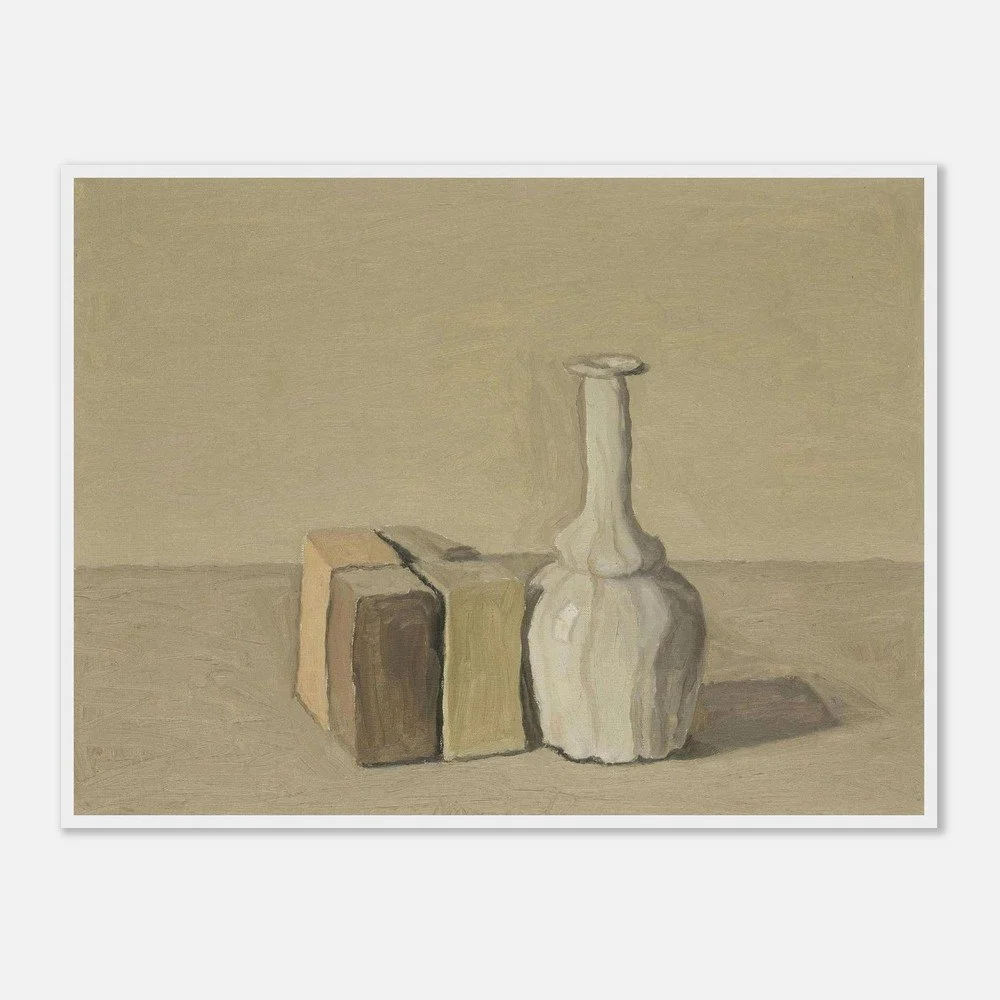 Image 19 of 22
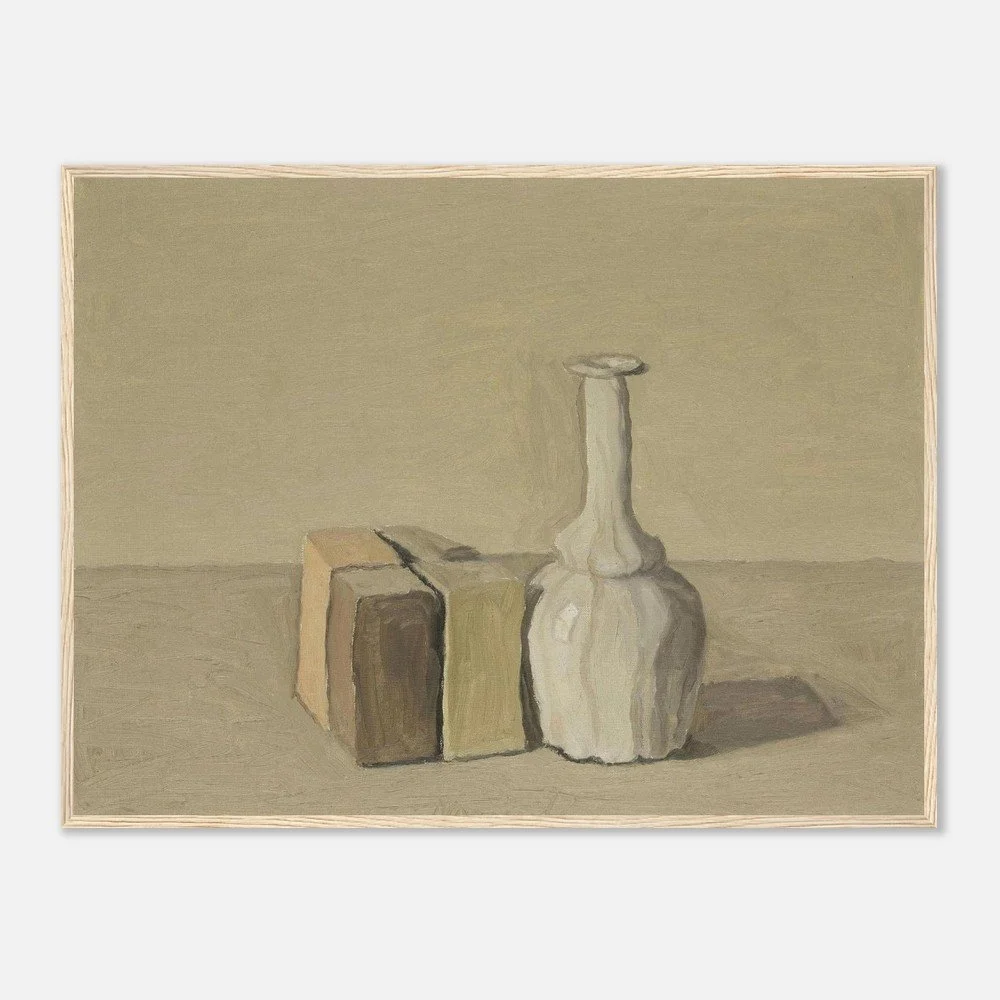 Image 20 of 22
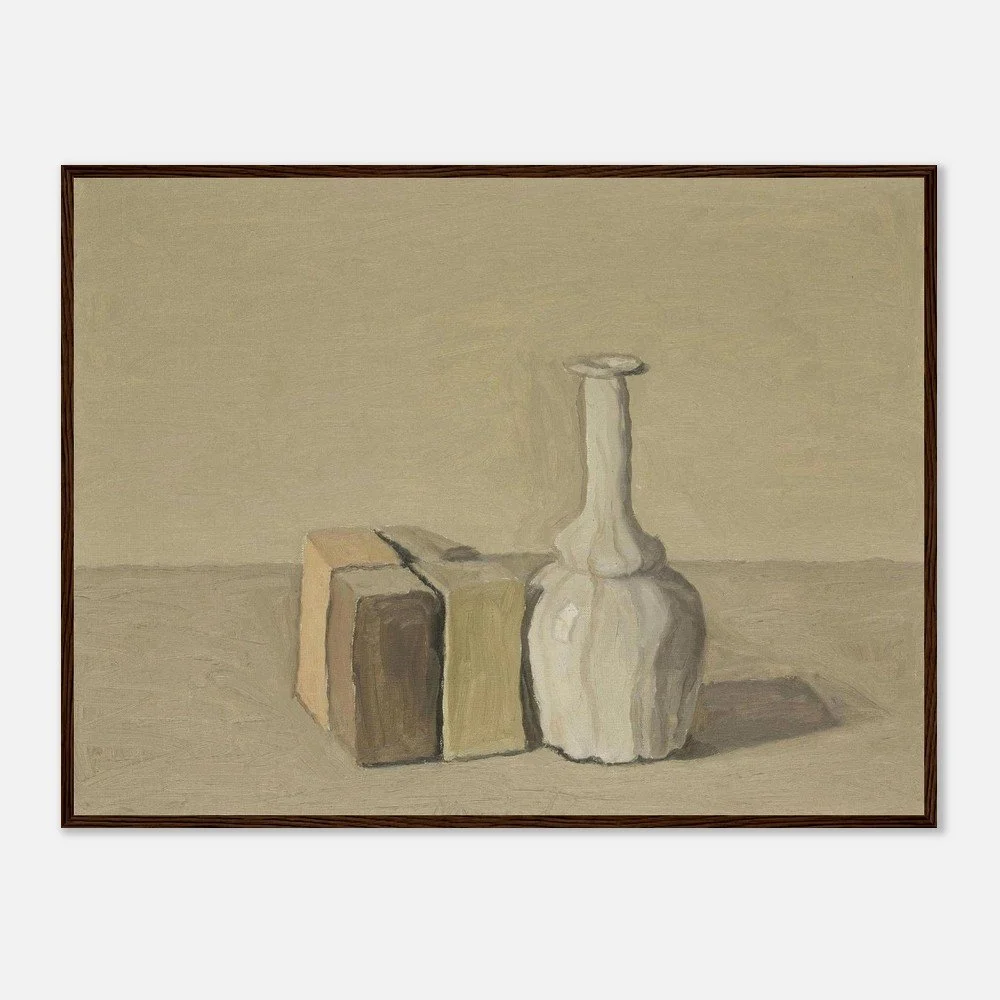 Image 21 of 22
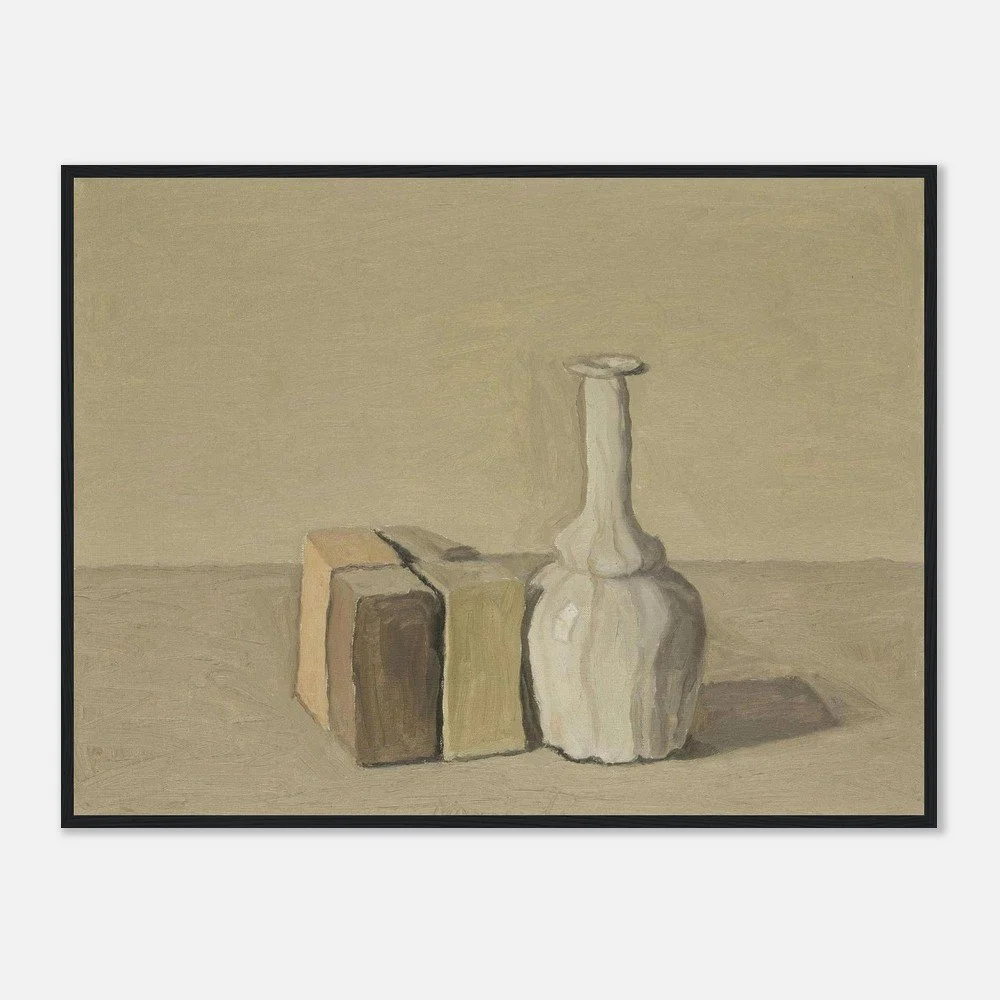 Image 22 of 22