About the Artwork: Irises 1899
- Painted in May 1889, shortly after Vincent van Gogh entered the Saint-Paul-de-Mausole asylum in Saint-Rémy, France, Irises is a vibrant and captivating masterpiece. He began working on this painting within his first week there, finding profound solace in the institution's lush garden. Van Gogh famously referred to his painting as "the lightning conductor for my illness," believing that immersing himself in his work was the key to maintaining his sanity. The composition clearly demonstrates the strong influence of Japanese woodblock prints (Ukiyo-e) on his artistic vision. This is evident in the bold, dark contours, the cropped, close-up perspective, and the flat, expressive areas of color. The canvas is filled with a dynamic rhythm of curling green leaves and intensely rich blue and purple petals, beautifully contrasted by a single, striking white iris on the left. The result is a work bursting with organic energy and a deep, careful observation of the natural world.
----
About the Artist: Vincent van Gogh
-
Vincent van Gogh (1853–1890) was a Dutch Post-Impressionist painter whose posthumous influence on Western art has been monumental. Despite a career that spanned only about a decade, he was incredibly prolific, producing over 2,100 artworks, including iconic landscapes, still lifes, portraits, and self-portraits. Plagued by severe mental health struggles and financial hardship throughout his life, van Gogh found solace and a powerful means of communication through his art. His pioneering use of bold, dramatic colors and highly expressive, emotive brushwork broke away from traditional representations, laying the essential groundwork for modern expressionism and forever changing how raw emotion could be conveyed on canvas.
.
Material : Premium Matte Paper
About the Artwork: Irises 1899
- Painted in May 1889, shortly after Vincent van Gogh entered the Saint-Paul-de-Mausole asylum in Saint-Rémy, France, Irises is a vibrant and captivating masterpiece. He began working on this painting within his first week there, finding profound solace in the institution's lush garden. Van Gogh famously referred to his painting as "the lightning conductor for my illness," believing that immersing himself in his work was the key to maintaining his sanity. The composition clearly demonstrates the strong influence of Japanese woodblock prints (Ukiyo-e) on his artistic vision. This is evident in the bold, dark contours, the cropped, close-up perspective, and the flat, expressive areas of color. The canvas is filled with a dynamic rhythm of curling green leaves and intensely rich blue and purple petals, beautifully contrasted by a single, striking white iris on the left. The result is a work bursting with organic energy and a deep, careful observation of the natural world.
----
About the Artist: Vincent van Gogh
-
Vincent van Gogh (1853–1890) was a Dutch Post-Impressionist painter whose posthumous influence on Western art has been monumental. Despite a career that spanned only about a decade, he was incredibly prolific, producing over 2,100 artworks, including iconic landscapes, still lifes, portraits, and self-portraits. Plagued by severe mental health struggles and financial hardship throughout his life, van Gogh found solace and a powerful means of communication through his art. His pioneering use of bold, dramatic colors and highly expressive, emotive brushwork broke away from traditional representations, laying the essential groundwork for modern expressionism and forever changing how raw emotion could be conveyed on canvas.
.
Material : Premium Matte Paper

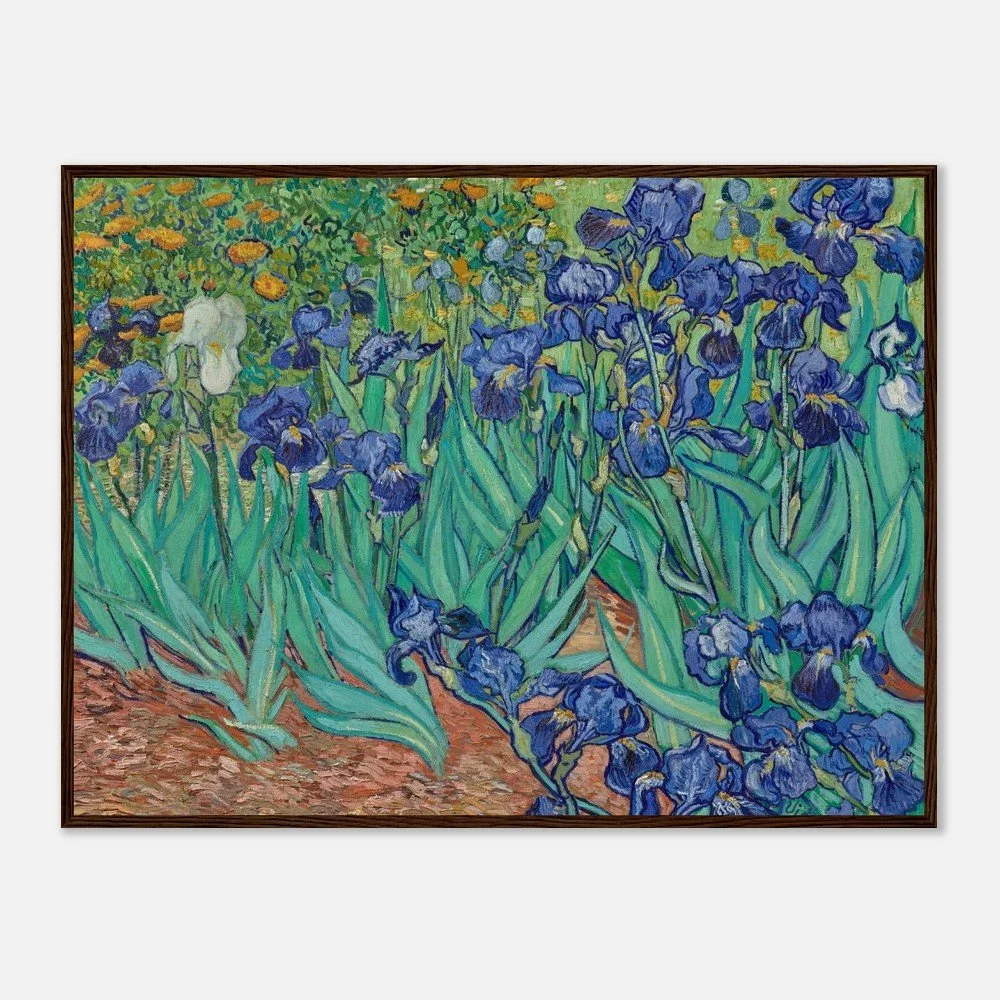 Image 1 of 21
 Image 2 of 21
 Image 3 of 21
 Image 4 of 21
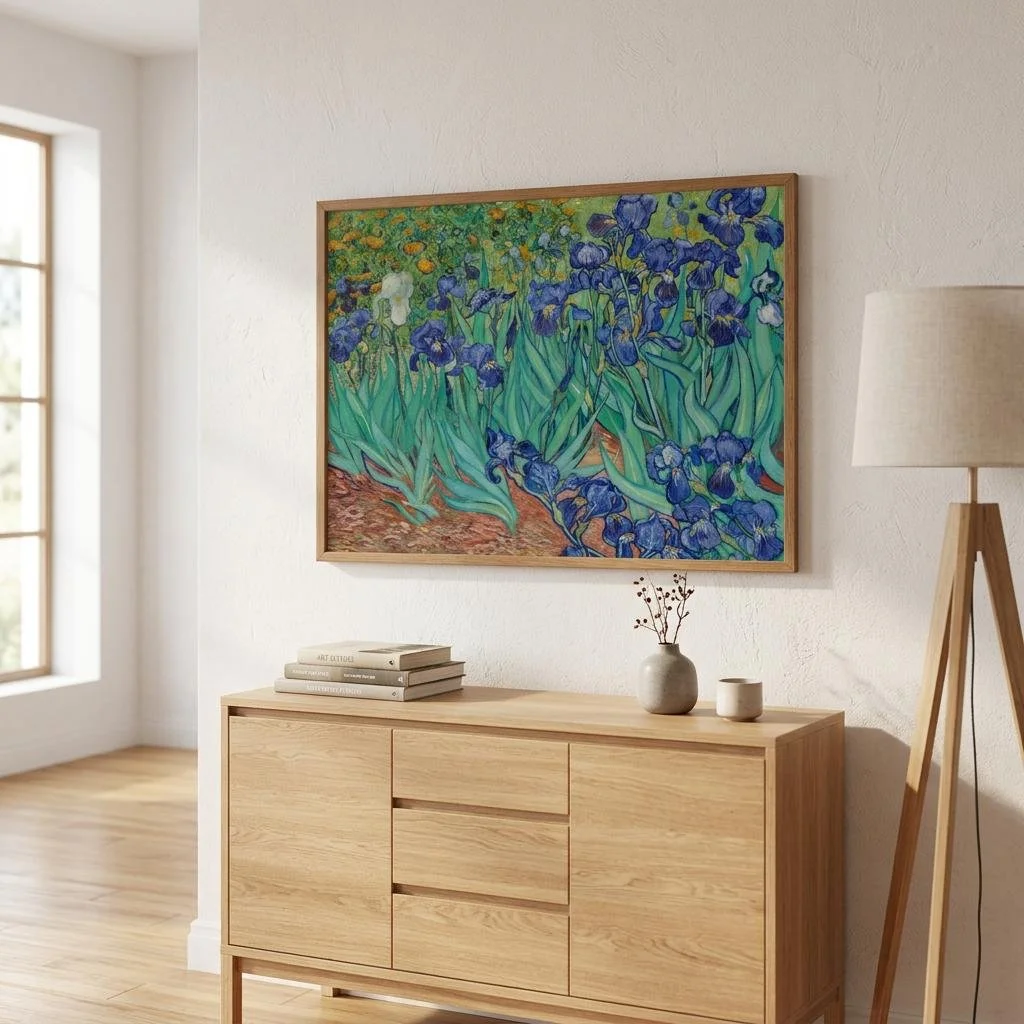 Image 5 of 21
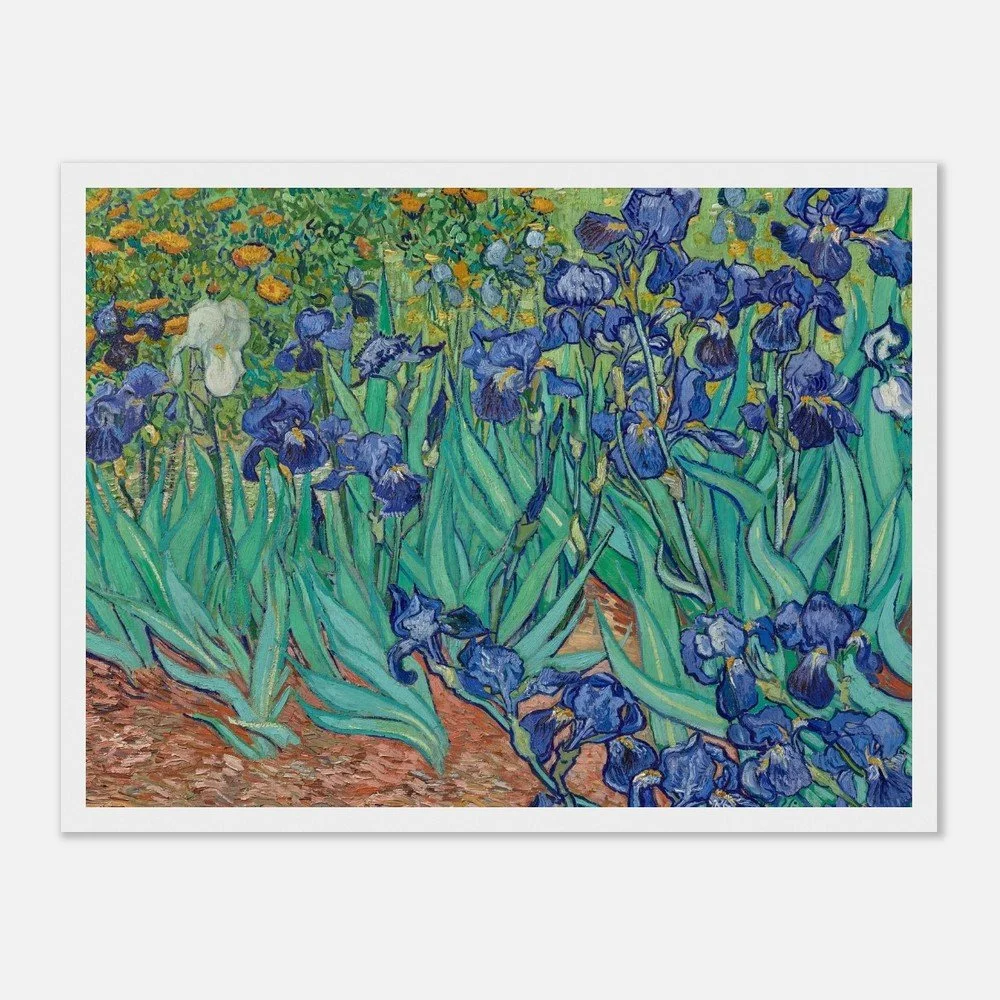 Image 6 of 21
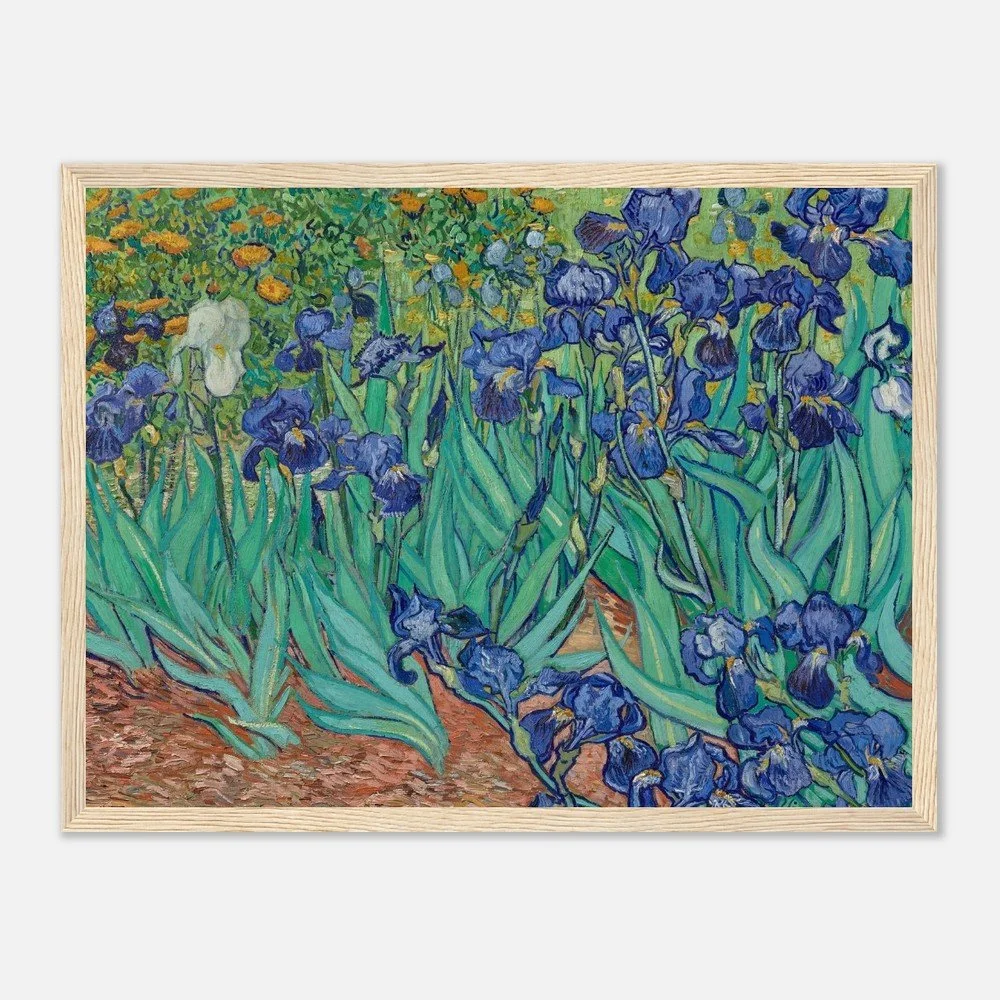 Image 7 of 21
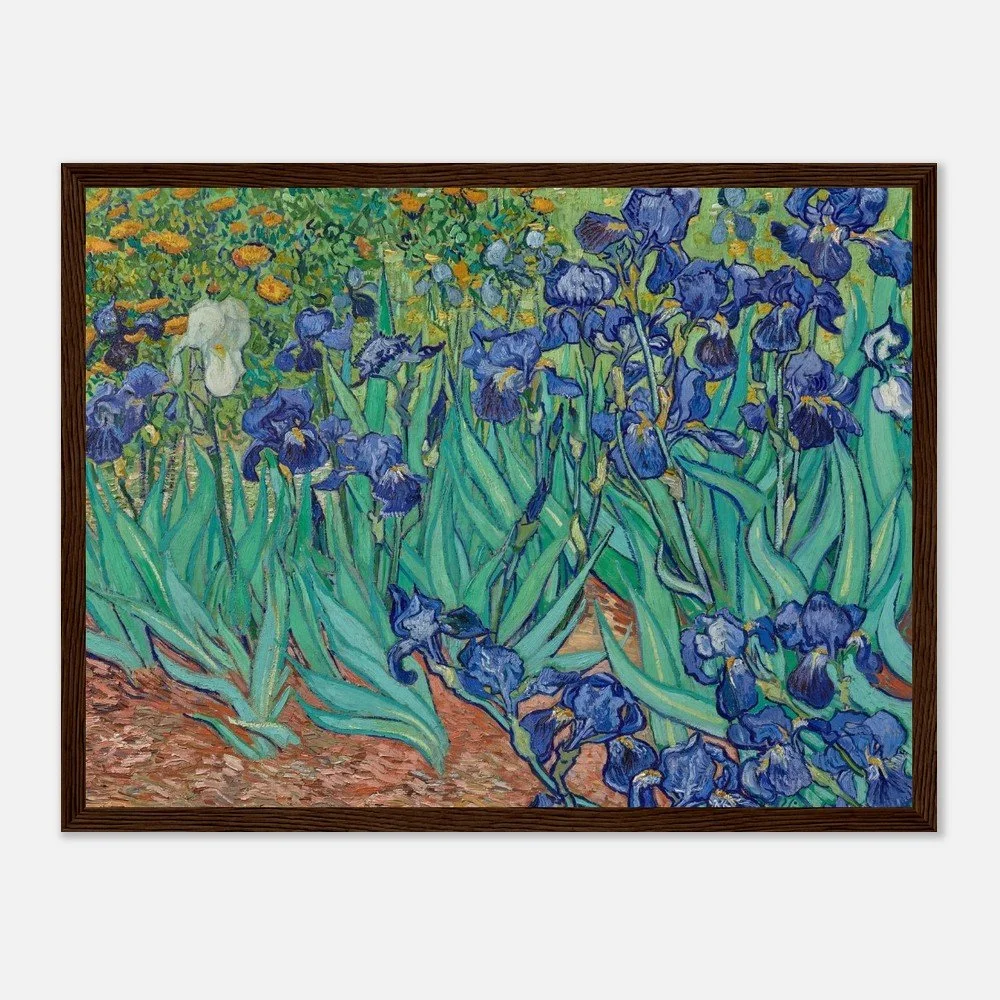 Image 8 of 21
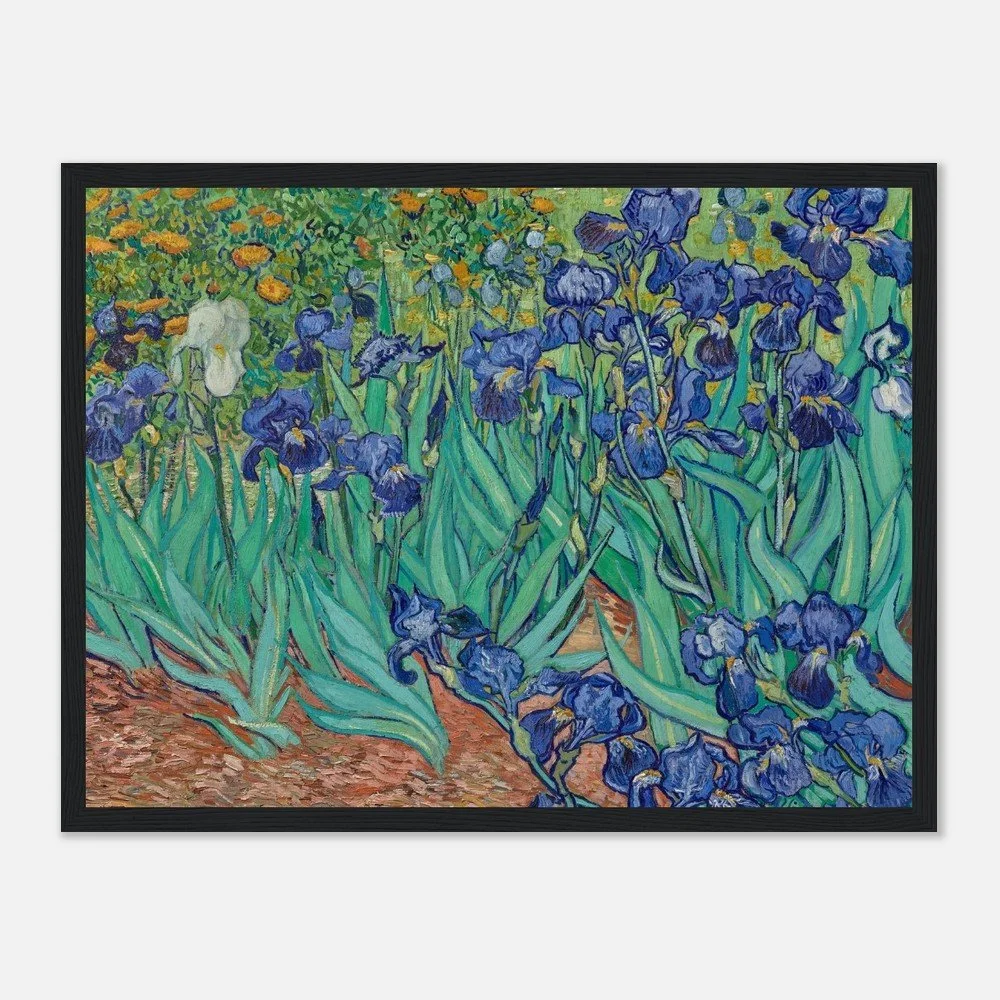 Image 9 of 21
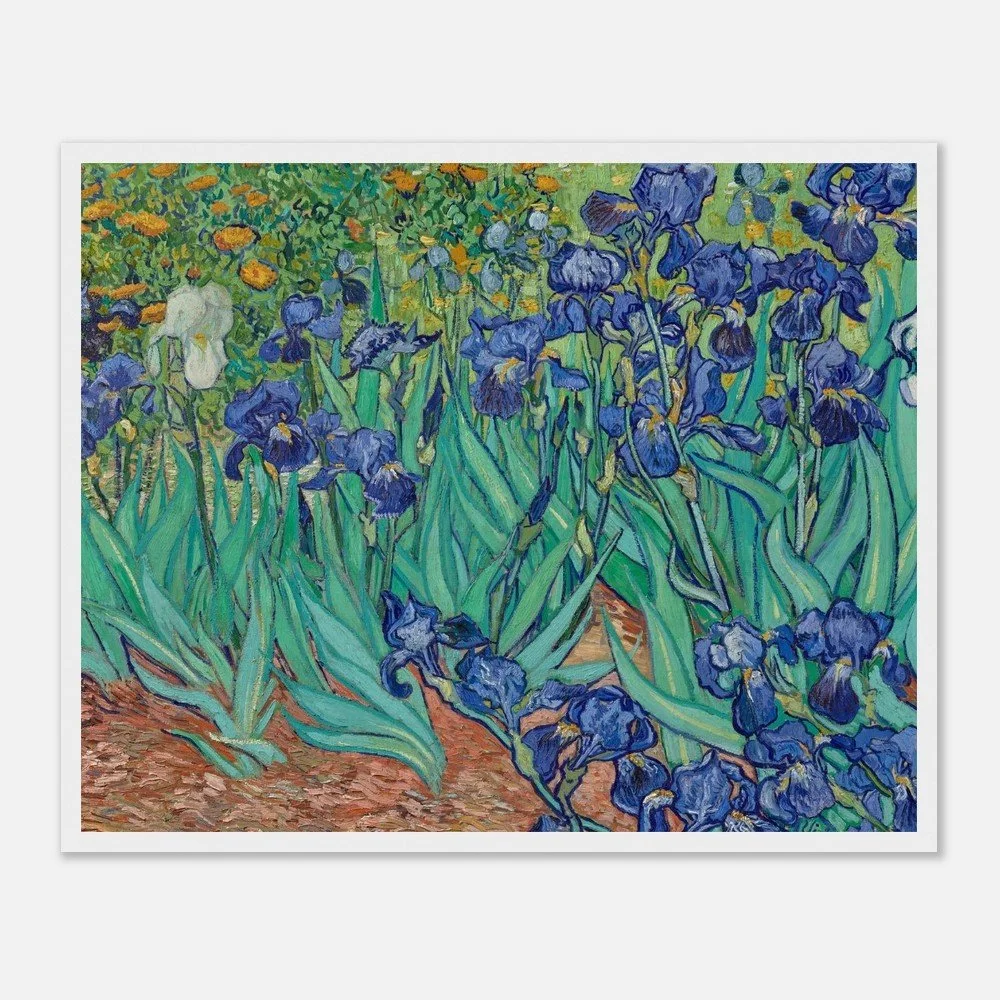 Image 10 of 21
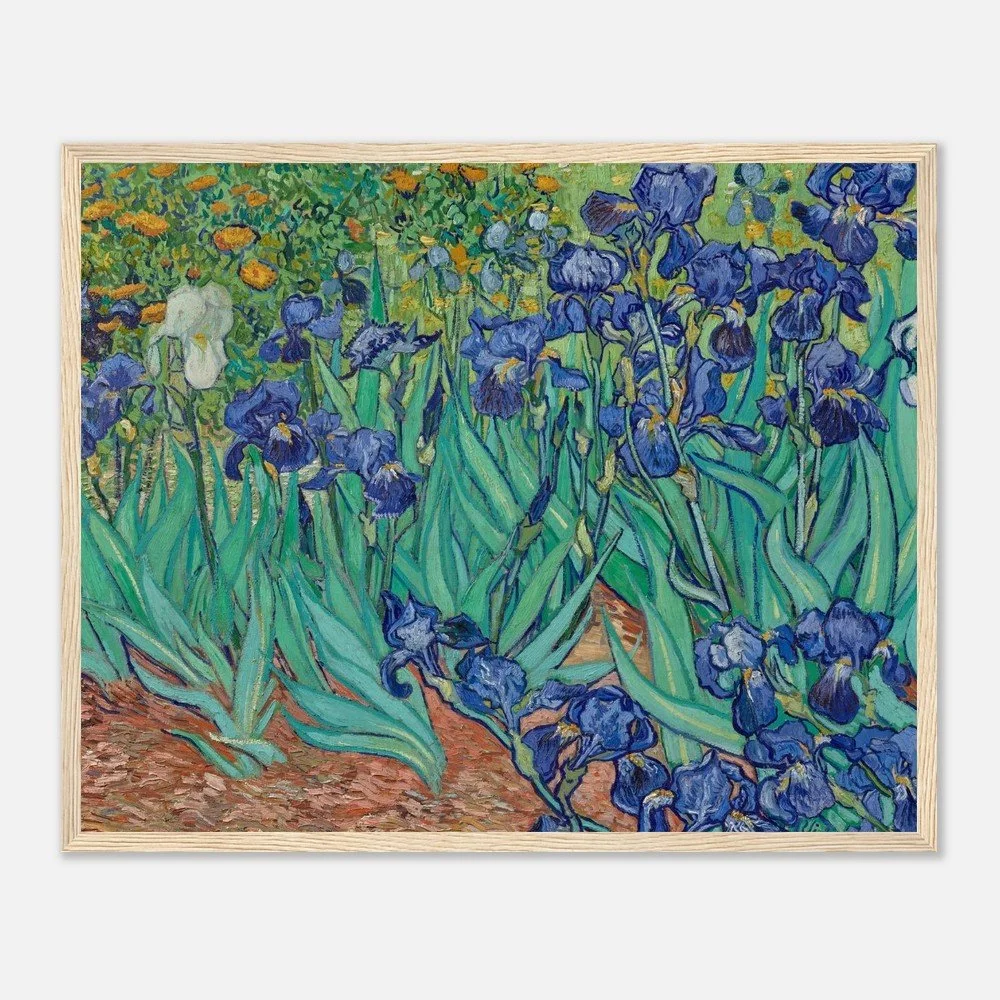 Image 11 of 21
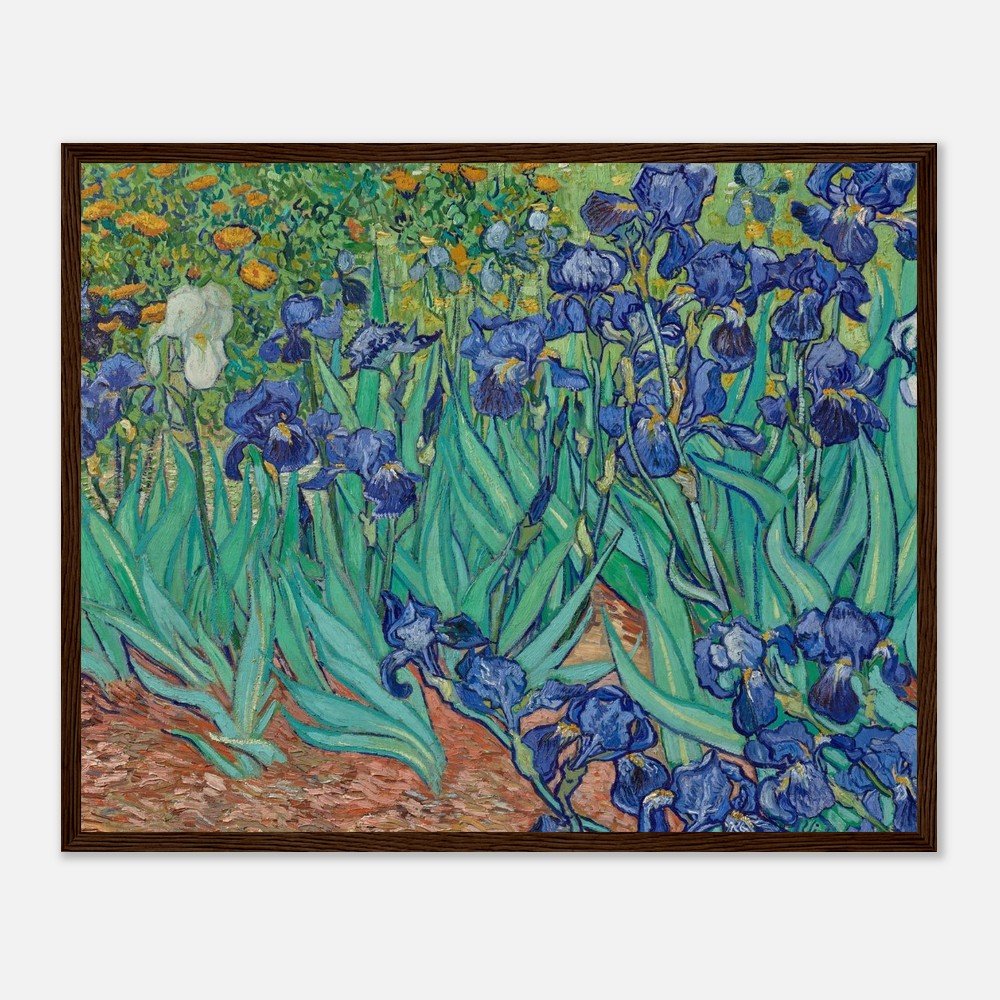 Image 12 of 21
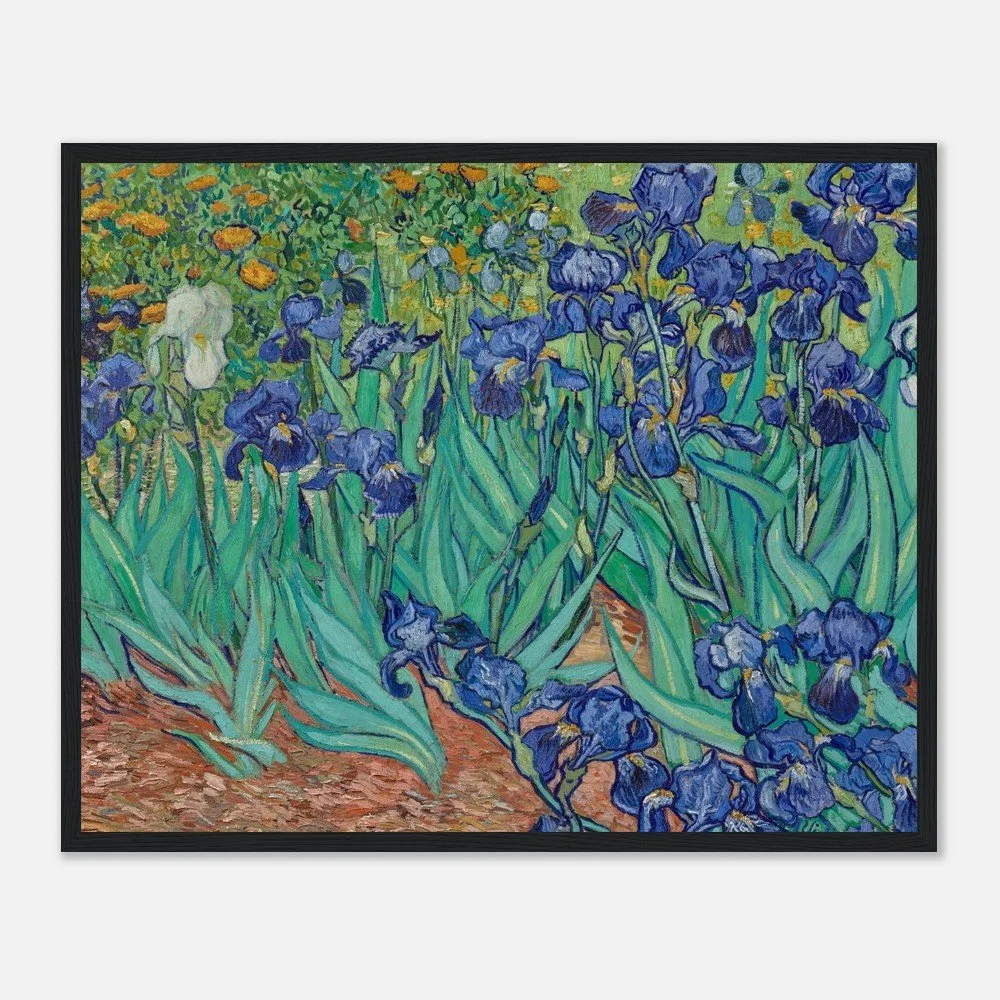 Image 13 of 21
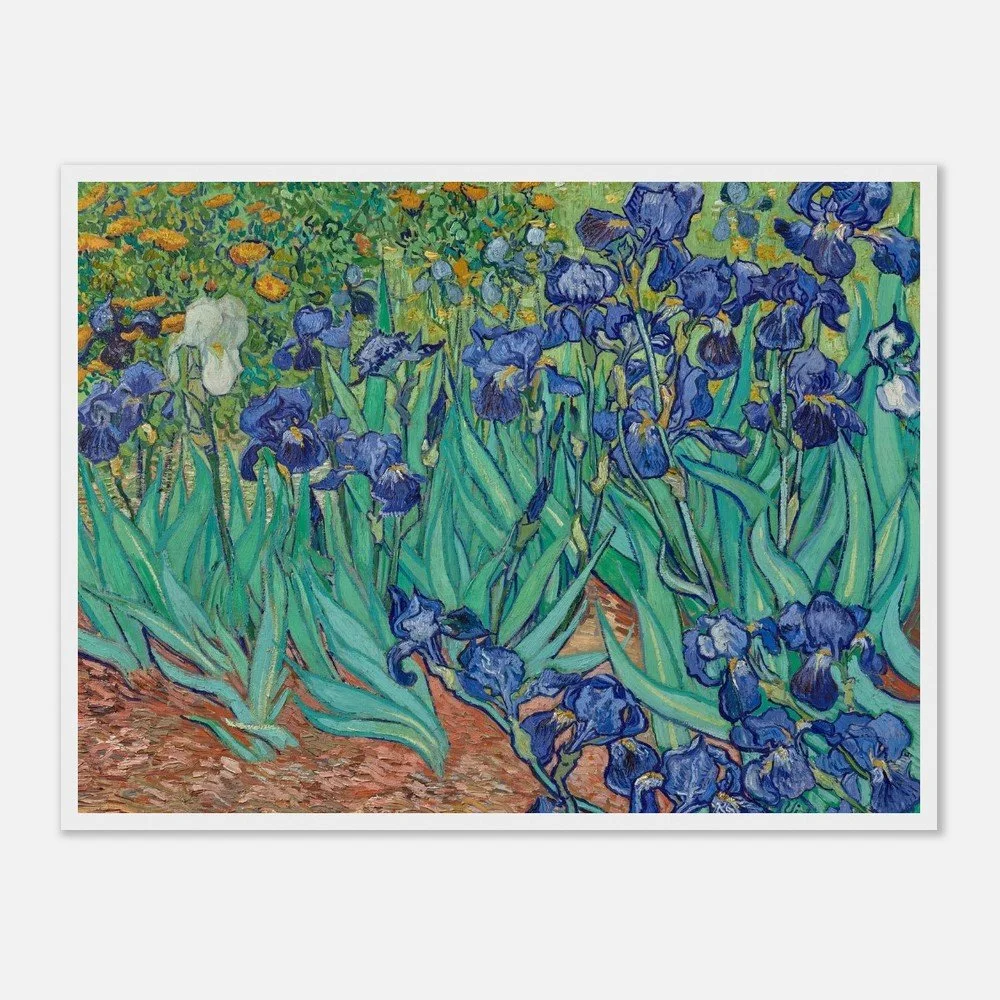 Image 14 of 21
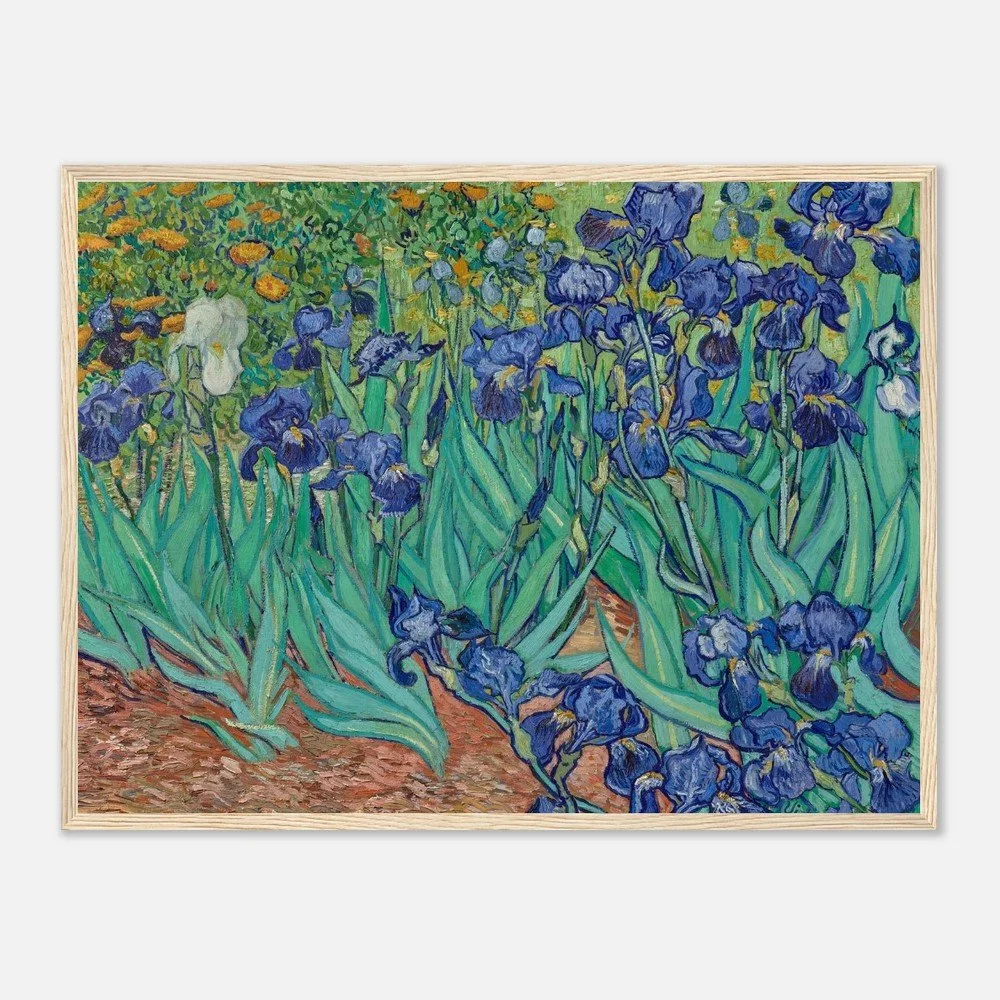 Image 15 of 21
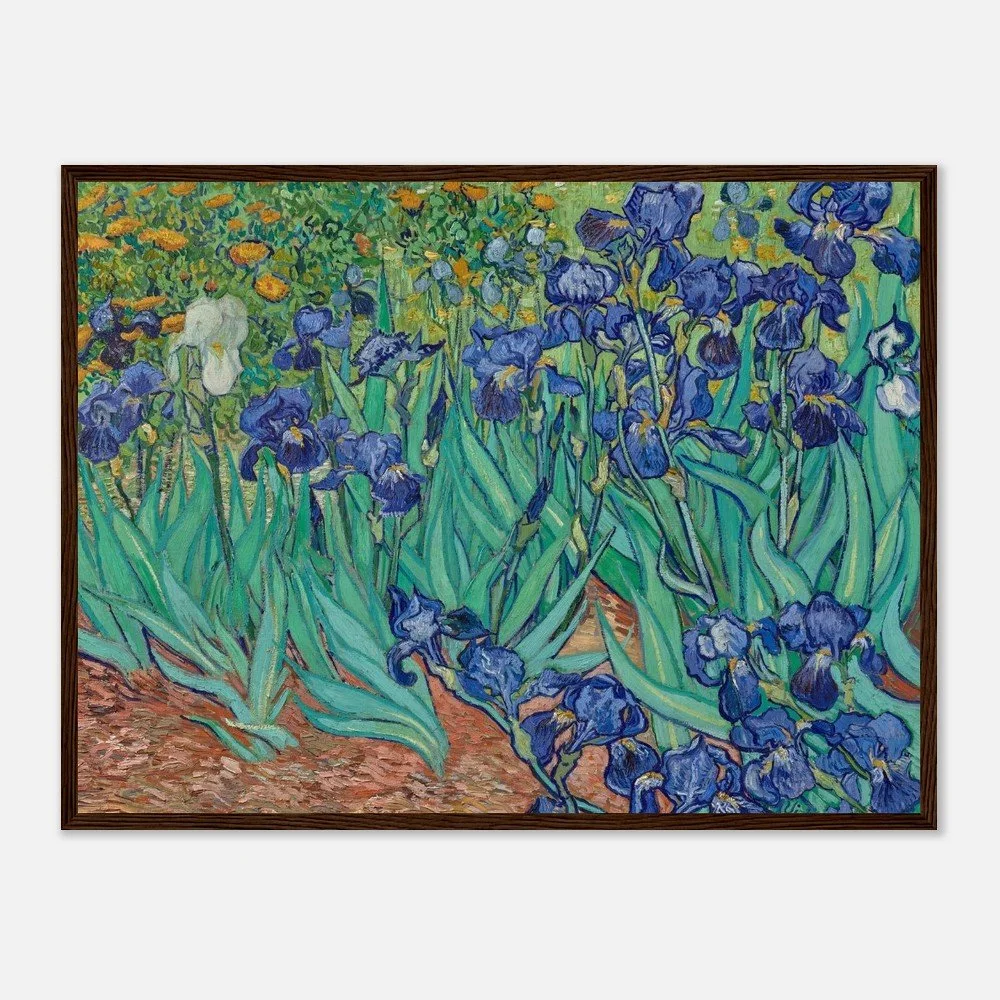 Image 16 of 21
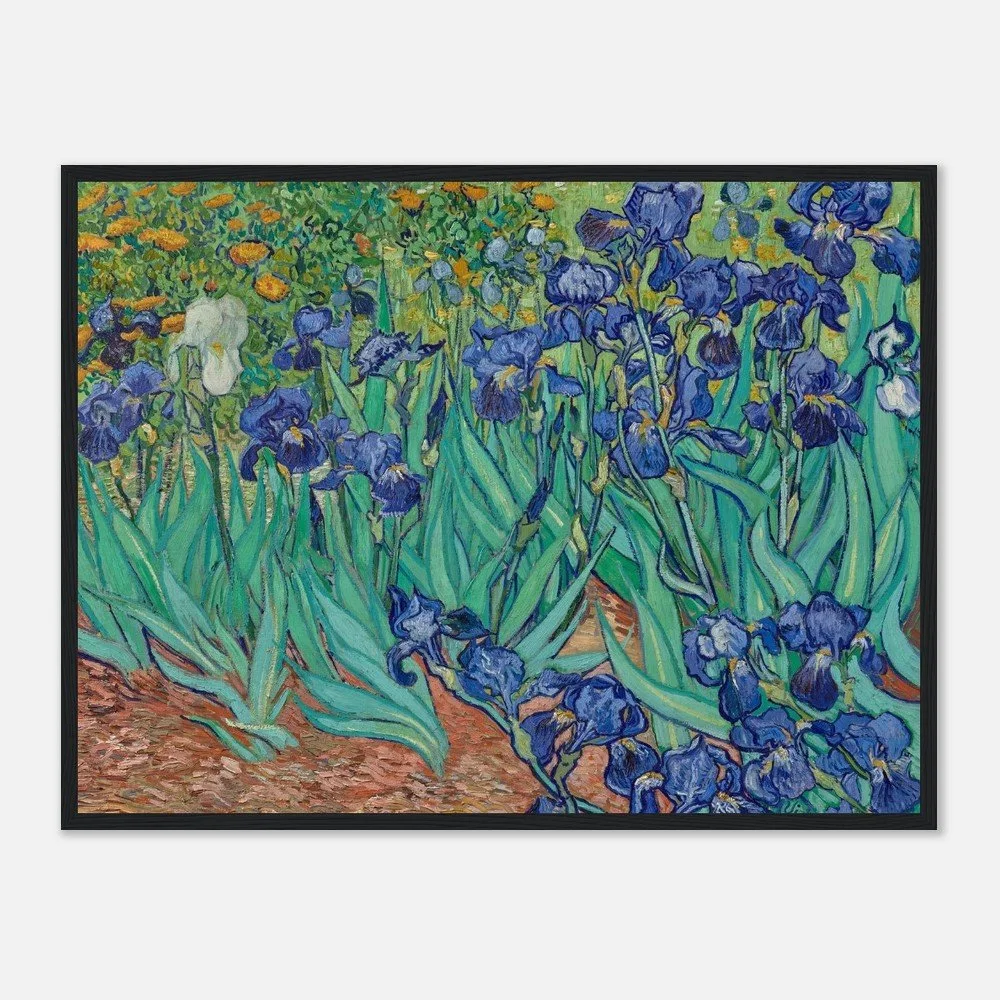 Image 17 of 21
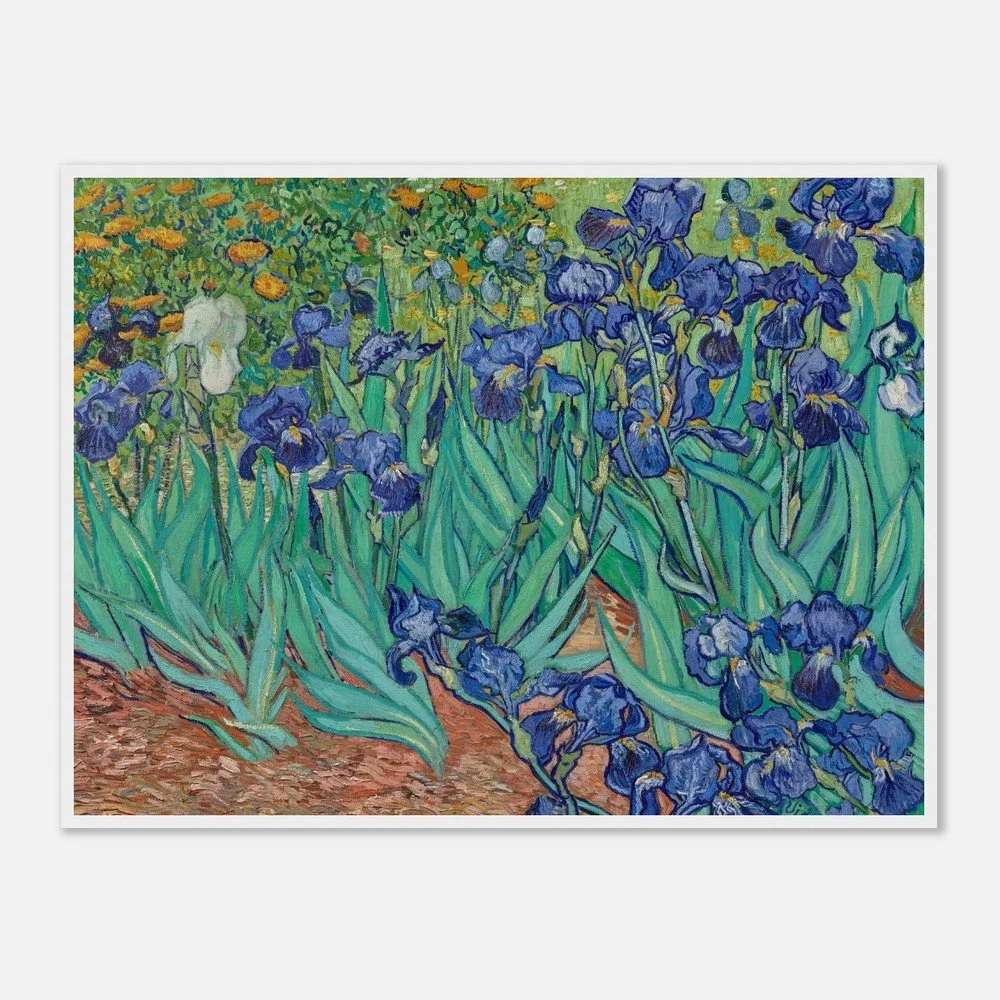 Image 18 of 21
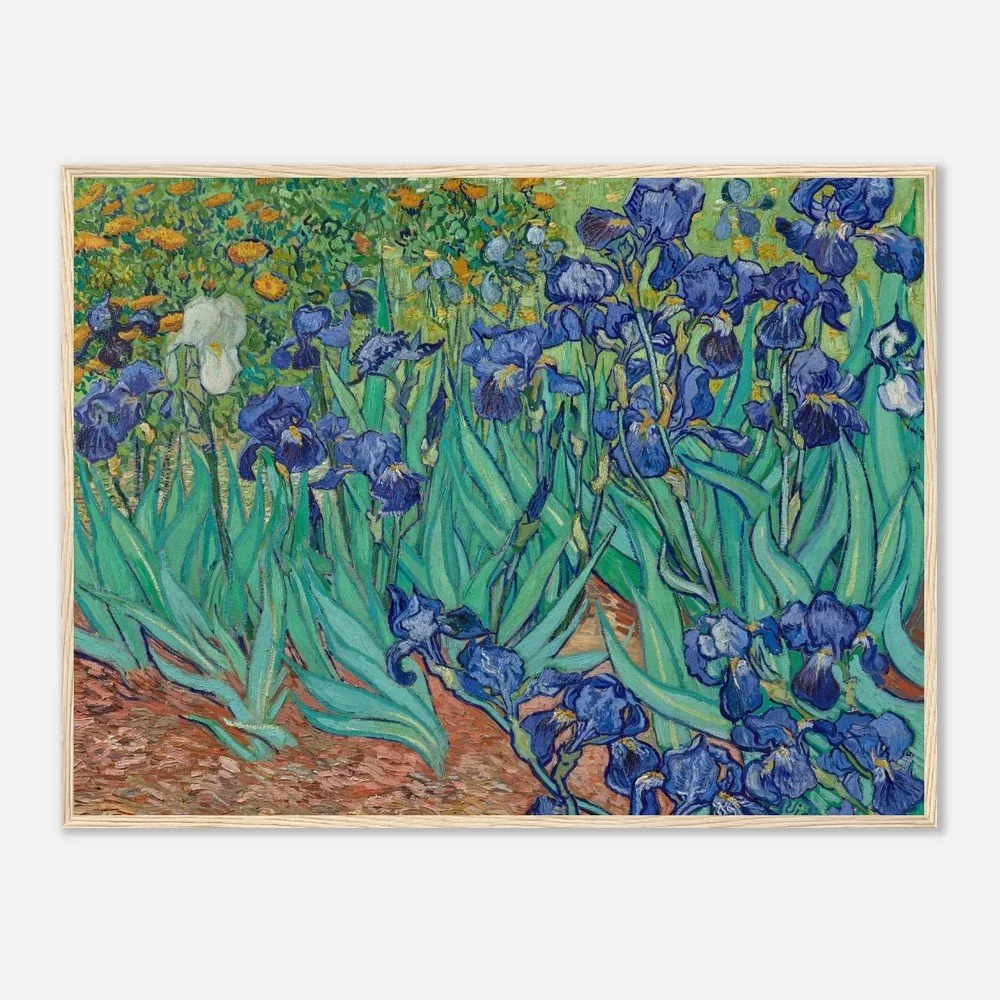 Image 19 of 21
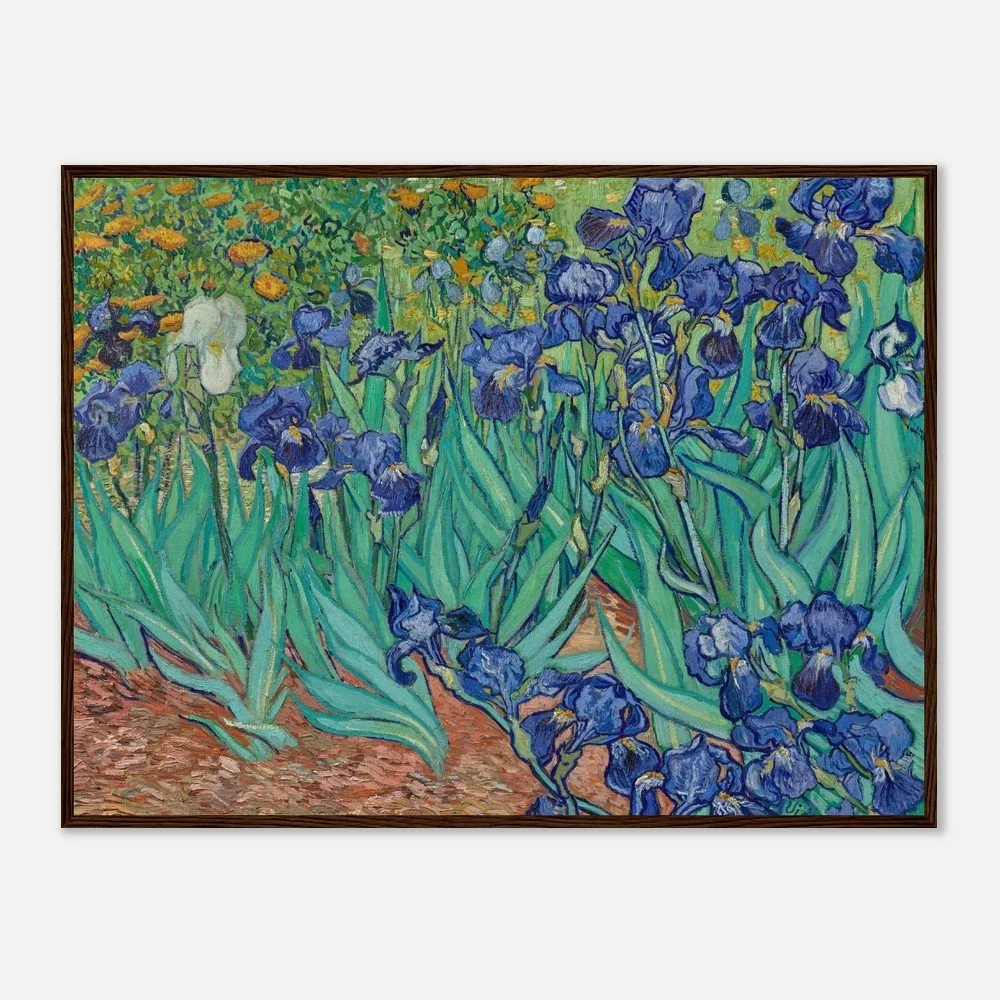 Image 20 of 21
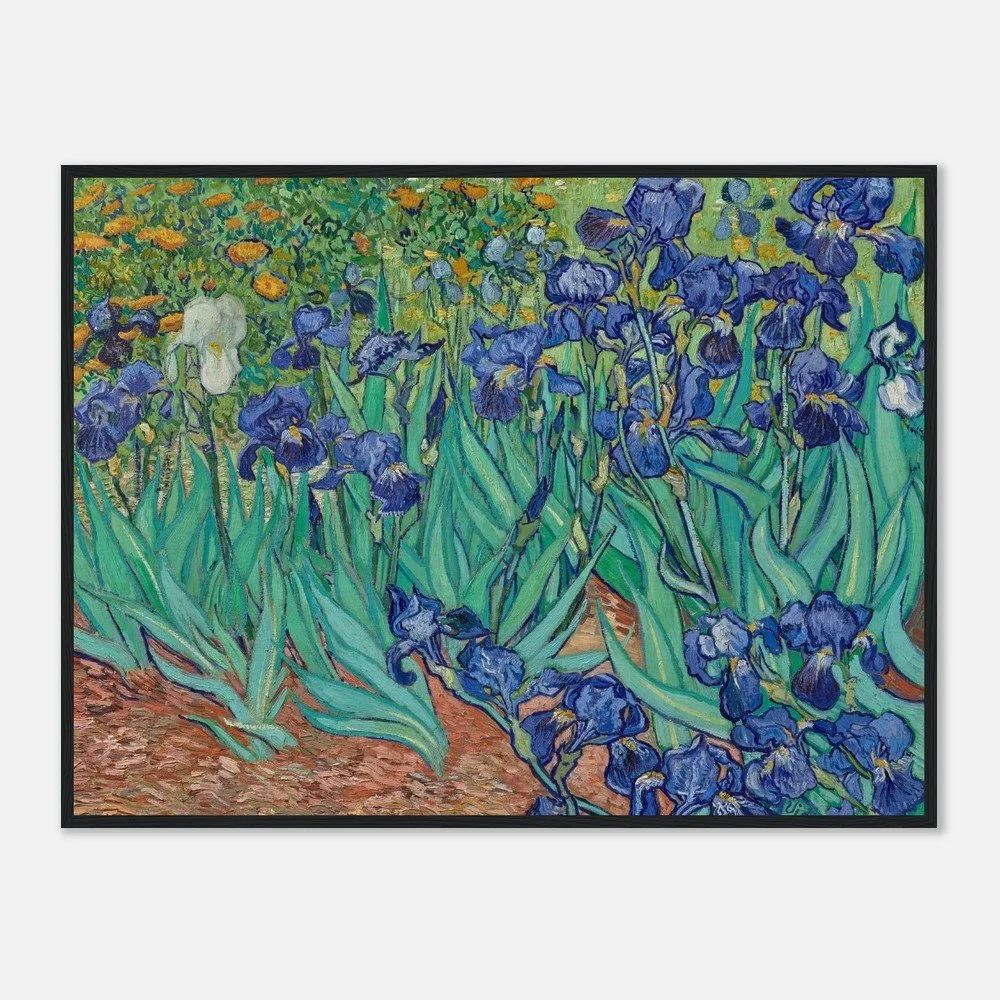 Image 21 of 21