John Henry Twachtman (1853–1902)
was a major figure in American Impressionism, best known for lyrical landscapes and an exceptionally subtle treatment of light and atmosphere. He first studied civil engineering at United States Military Academy, but soon turned to art, training with Frank Duveneck before continuing his education in Europe. His years at the Academy of Fine Arts Munich shaped an early preference for tonal depth and painterly brushwork, while later study at Académie Julian refined his palette into softer, silvery harmonies. After returning to the United States, Twachtman settled in Greenwich and became closely associated with the Cos Cob art colony, a key center for East Coast Impressionism. Rather than pursuing grand subjects, he repeatedly painted the intimate world around his home—waterfalls, gardens, snow scenes—often revisiting the same motifs across changing seasons. These series reveal an artist drawn to mood and quiet transformation, where muted color and delicate tonal shifts create a strong sense of place. He taught at the Art Students League of New York and joined The Ten American Painters in 1898, advocating modern painting beyond academic constraints. His works are held by major museums including The Metropolitan Museum of Art and the National Gallery of Art.
Material : Premium Matte Paper
John Henry Twachtman (1853–1902)
was a major figure in American Impressionism, best known for lyrical landscapes and an exceptionally subtle treatment of light and atmosphere. He first studied civil engineering at United States Military Academy, but soon turned to art, training with Frank Duveneck before continuing his education in Europe. His years at the Academy of Fine Arts Munich shaped an early preference for tonal depth and painterly brushwork, while later study at Académie Julian refined his palette into softer, silvery harmonies. After returning to the United States, Twachtman settled in Greenwich and became closely associated with the Cos Cob art colony, a key center for East Coast Impressionism. Rather than pursuing grand subjects, he repeatedly painted the intimate world around his home—waterfalls, gardens, snow scenes—often revisiting the same motifs across changing seasons. These series reveal an artist drawn to mood and quiet transformation, where muted color and delicate tonal shifts create a strong sense of place. He taught at the Art Students League of New York and joined The Ten American Painters in 1898, advocating modern painting beyond academic constraints. His works are held by major museums including The Metropolitan Museum of Art and the National Gallery of Art.
Material : Premium Matte Paper

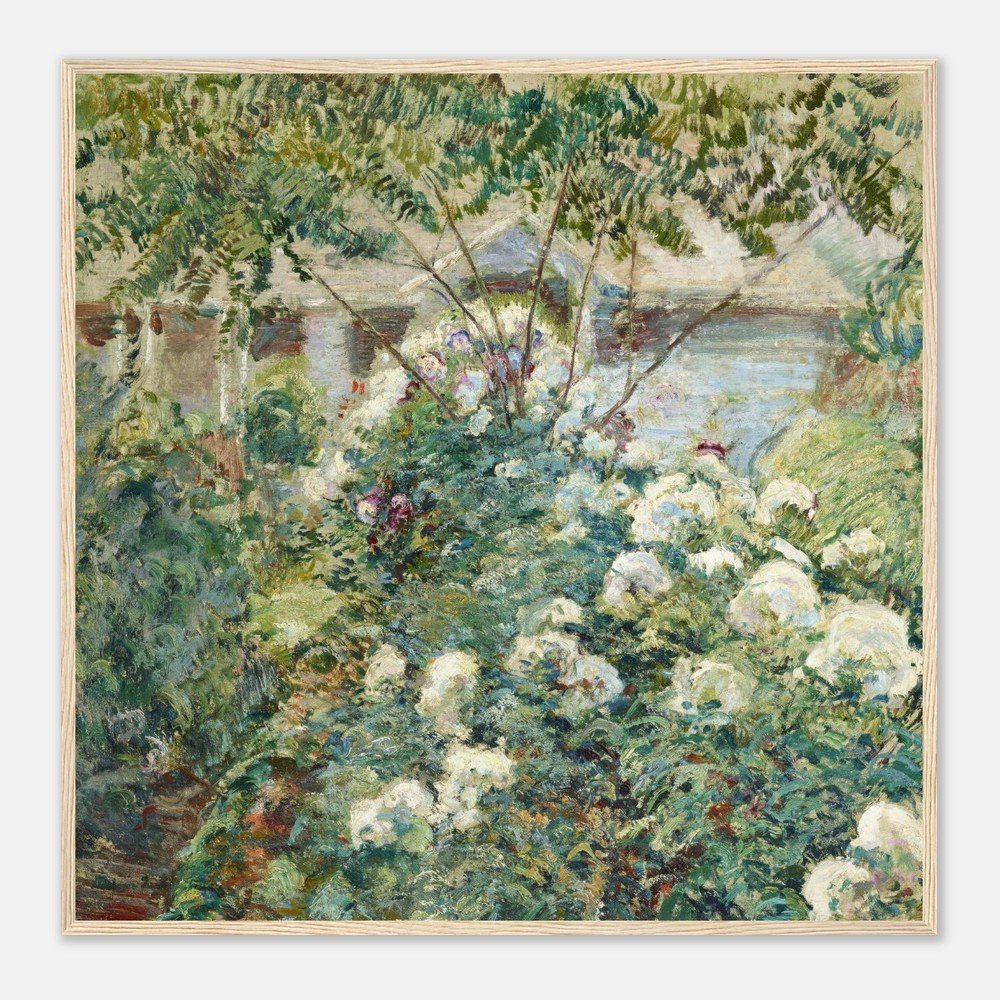 Image 1 of 22
 Image 2 of 22
 Image 3 of 22
 Image 4 of 22
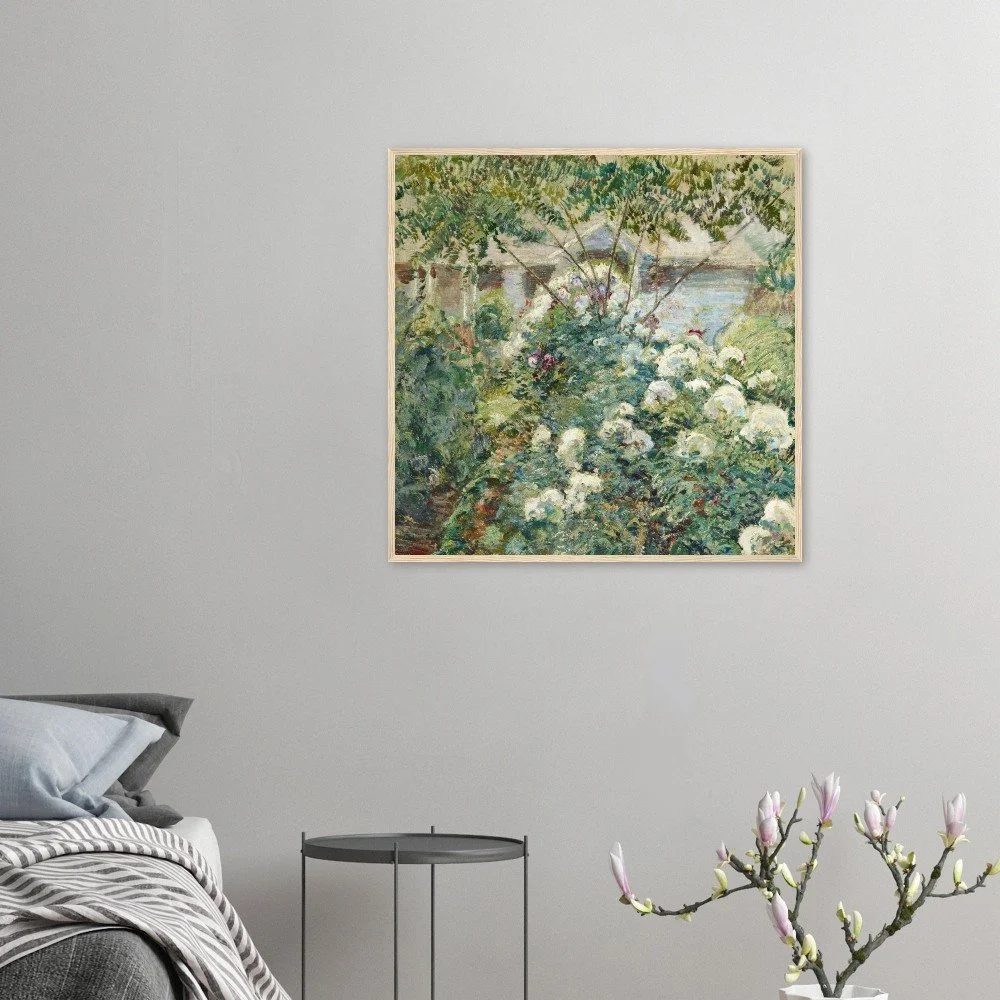 Image 5 of 22
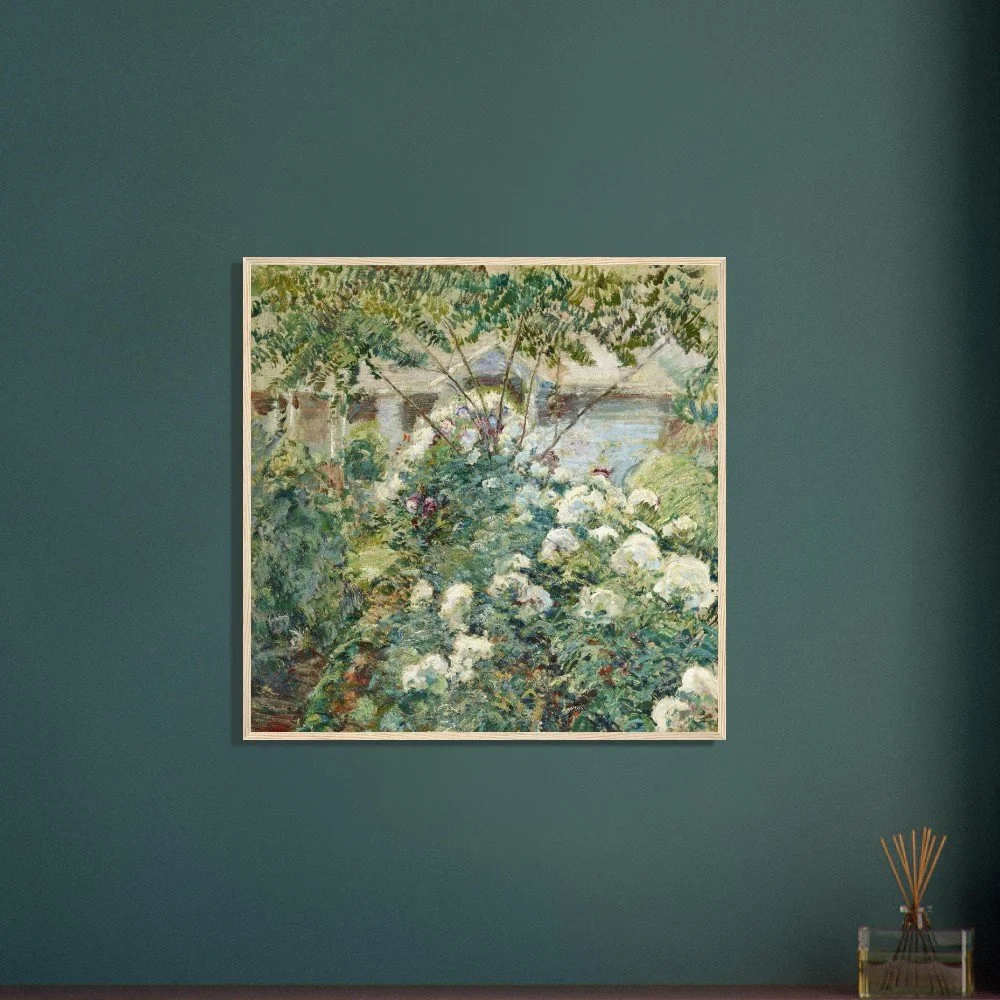 Image 6 of 22
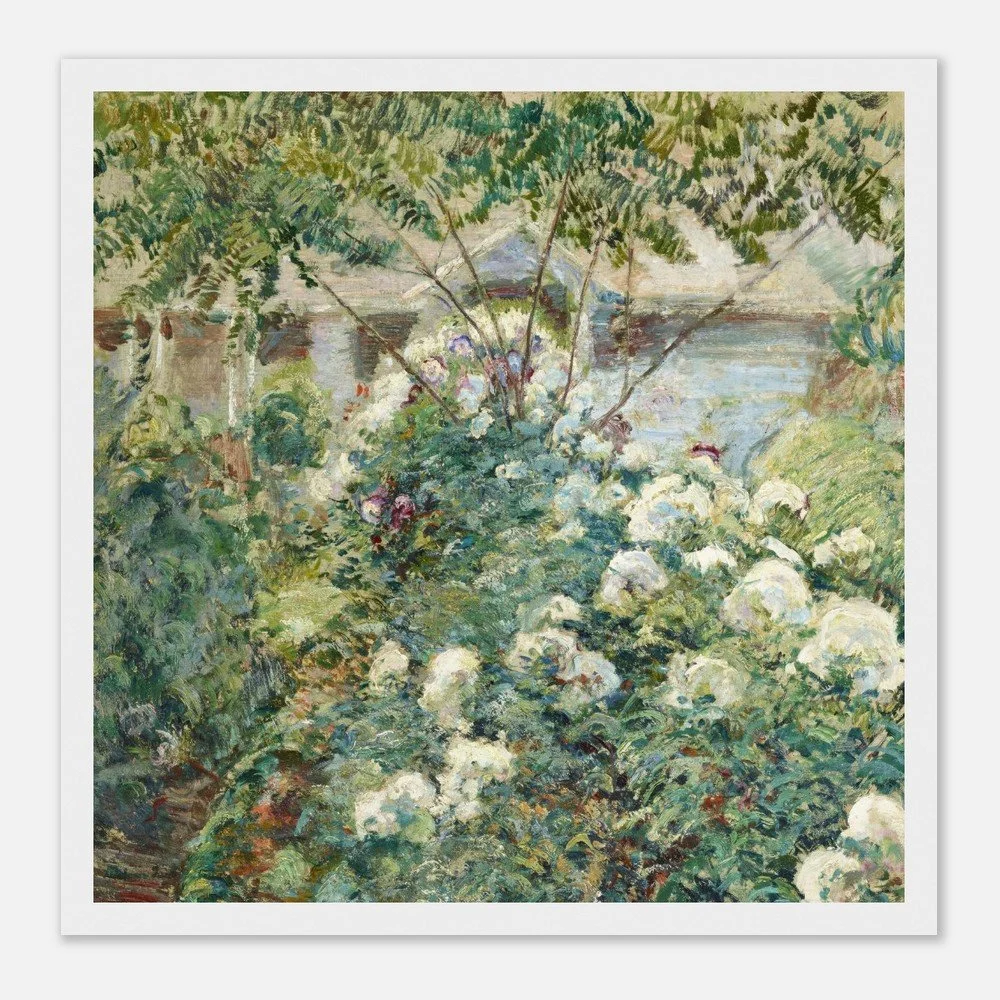 Image 7 of 22
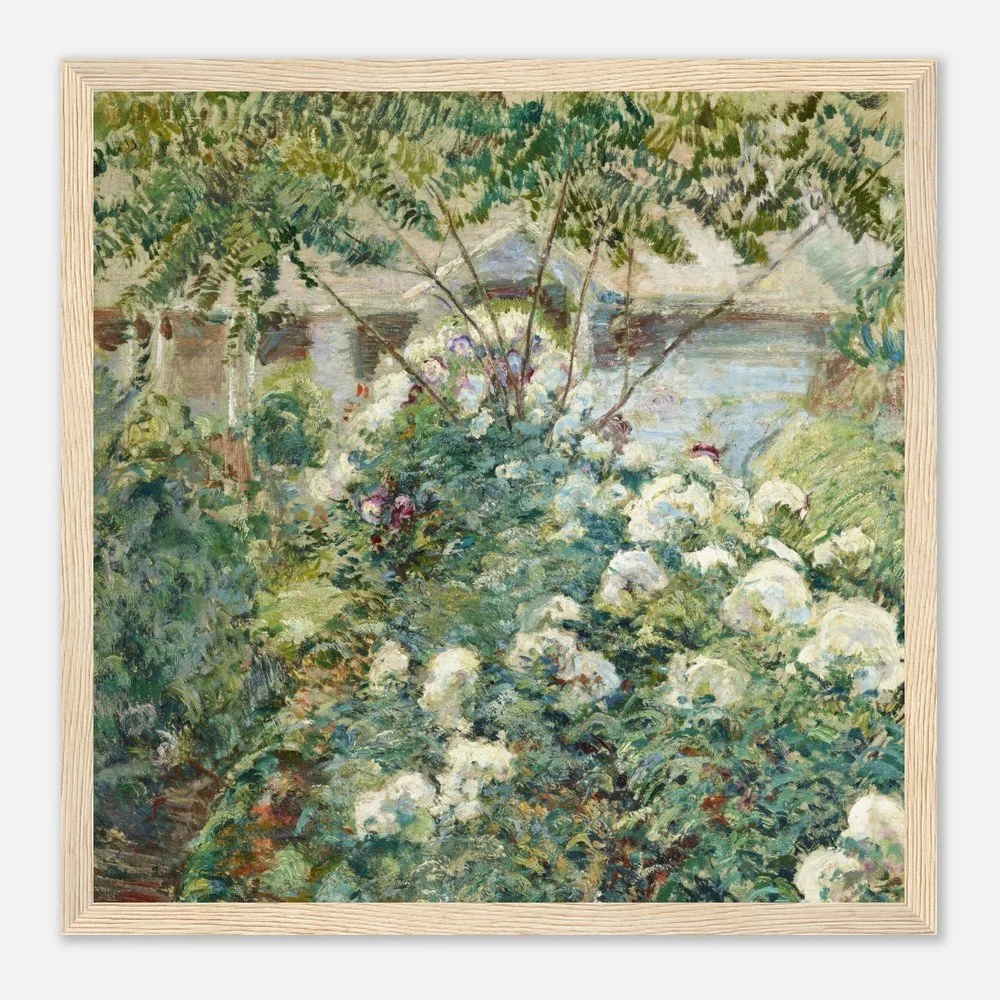 Image 8 of 22
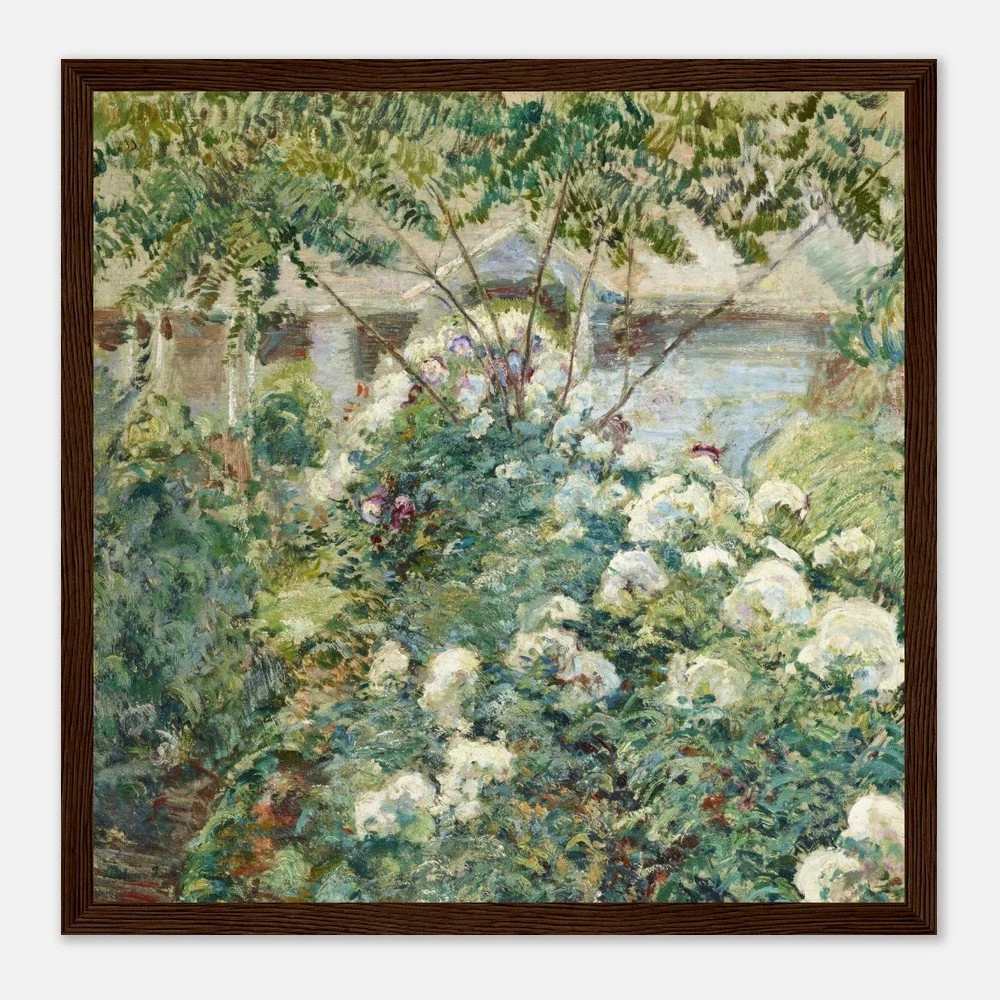 Image 9 of 22
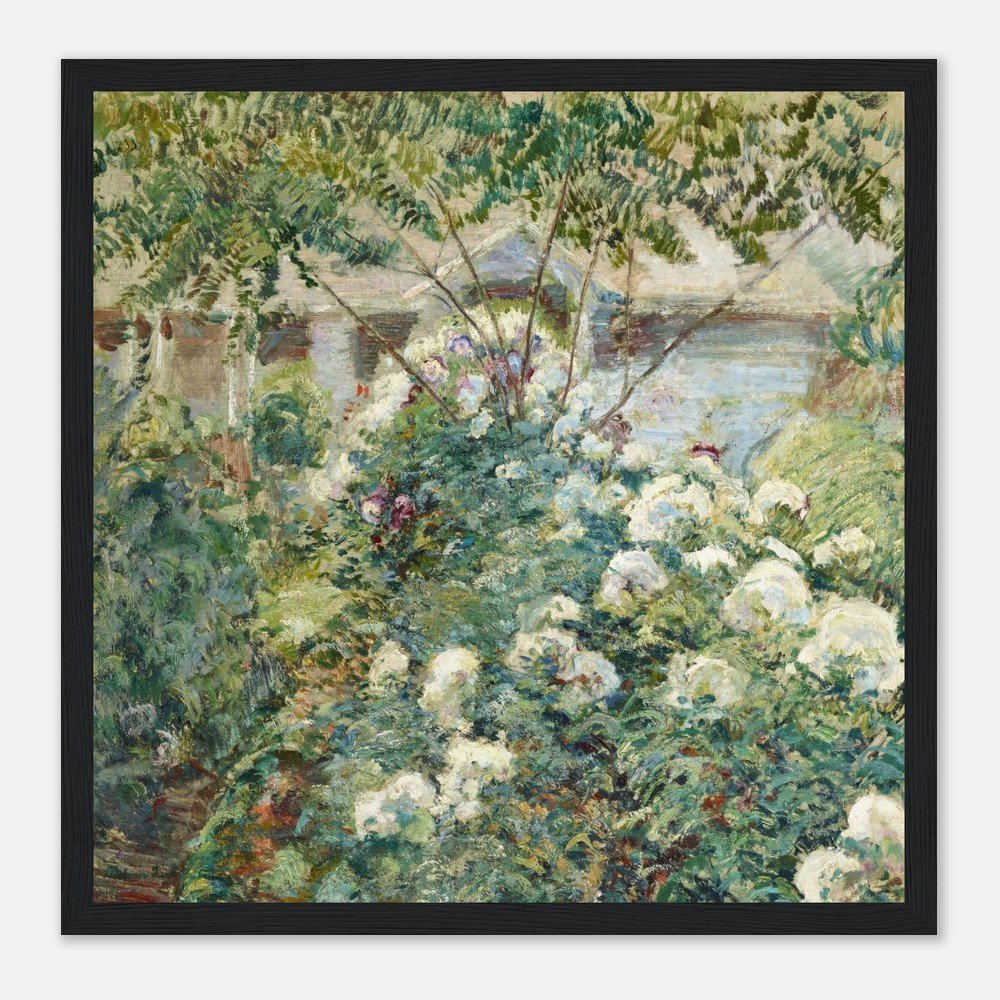 Image 10 of 22
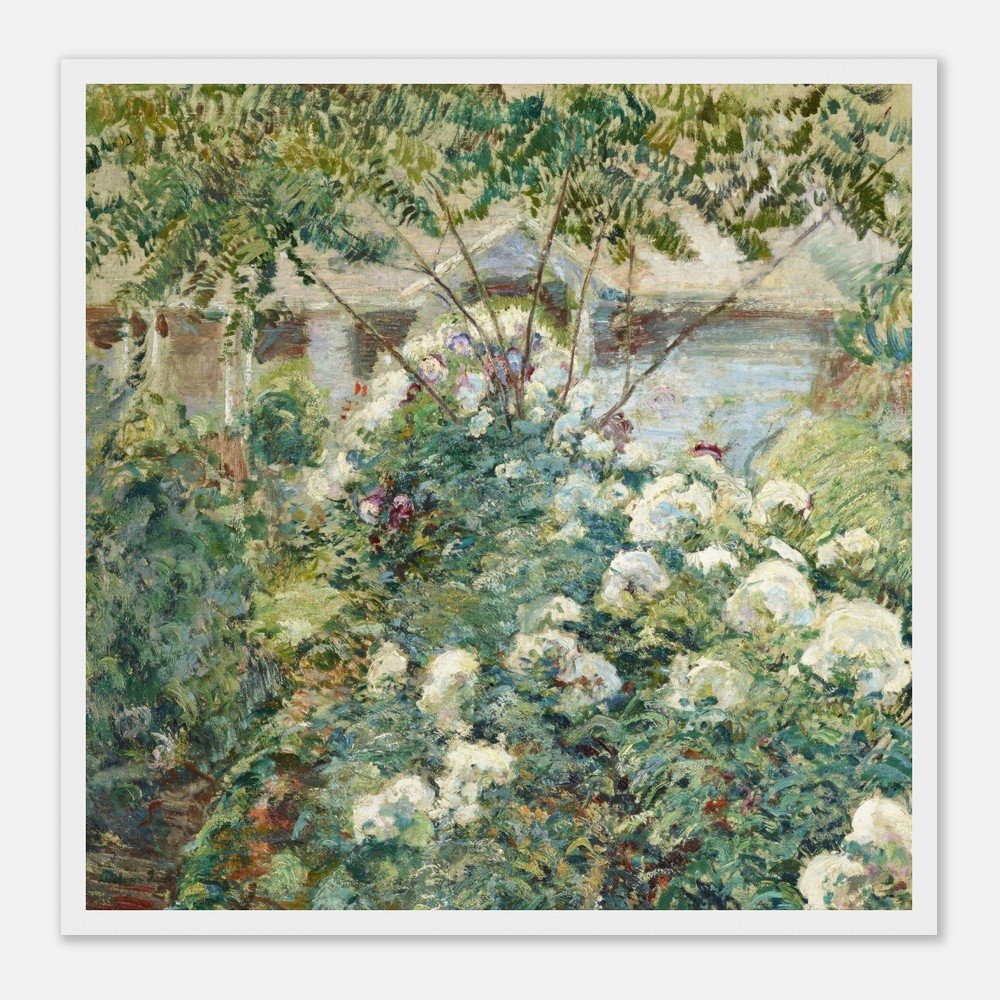 Image 11 of 22
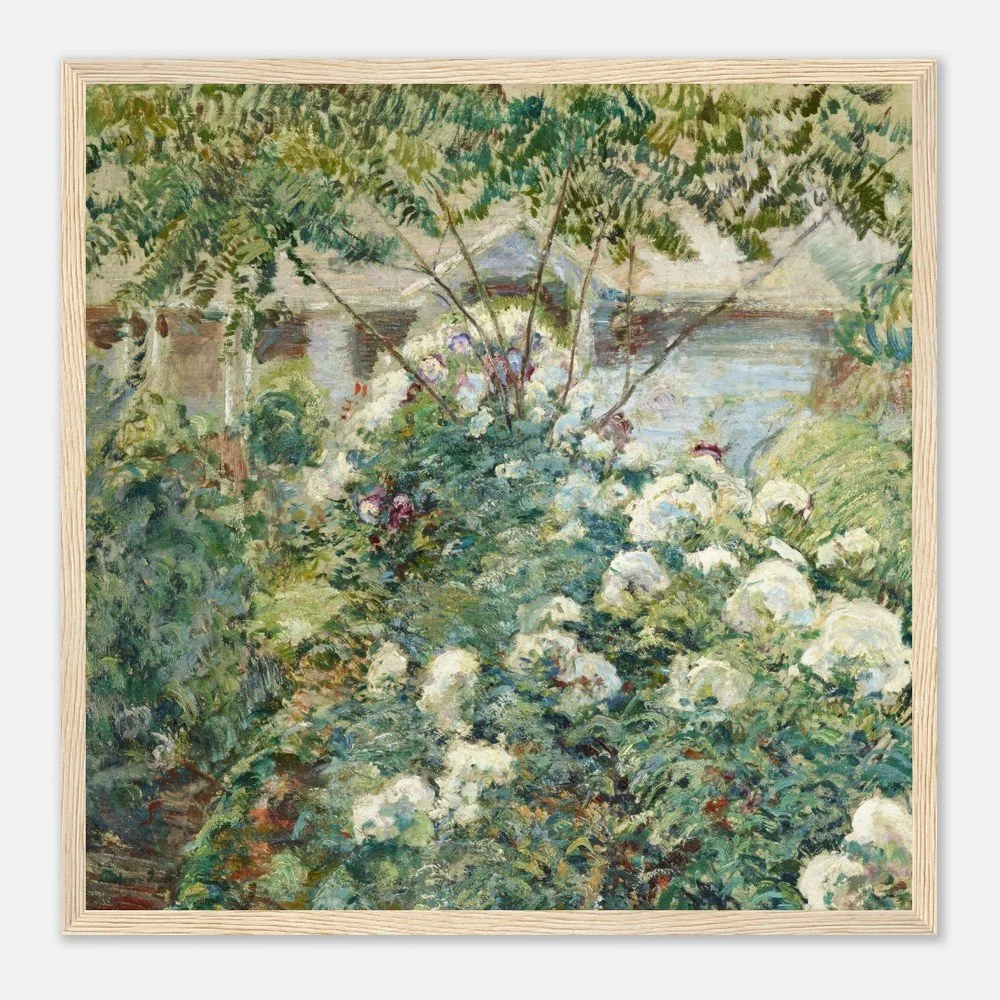 Image 12 of 22
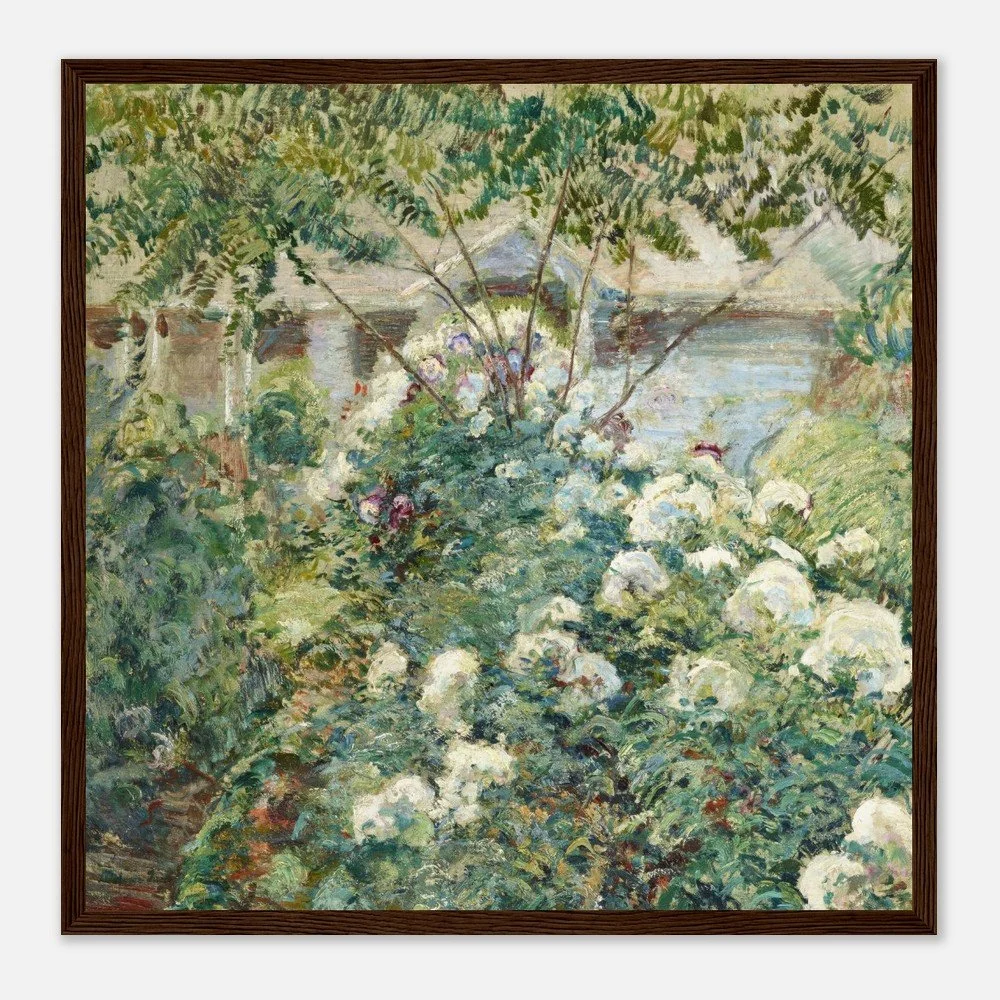 Image 13 of 22
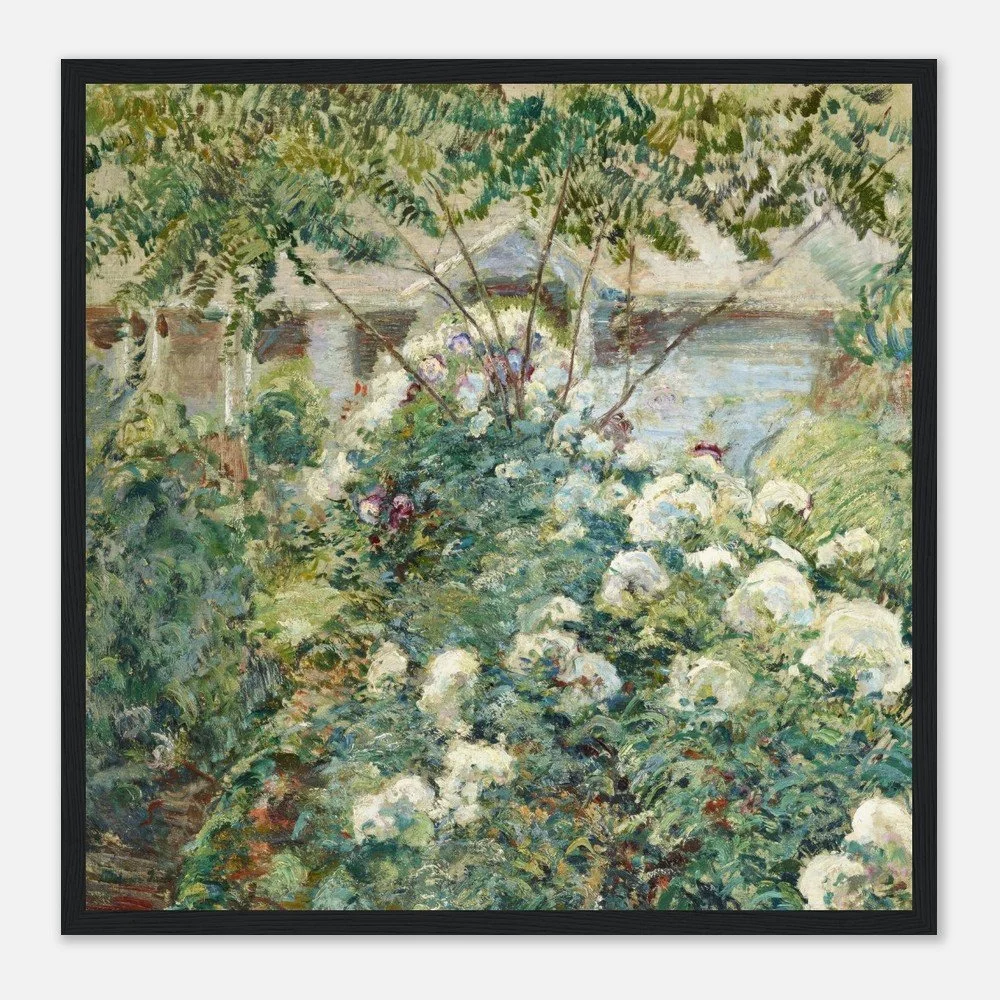 Image 14 of 22
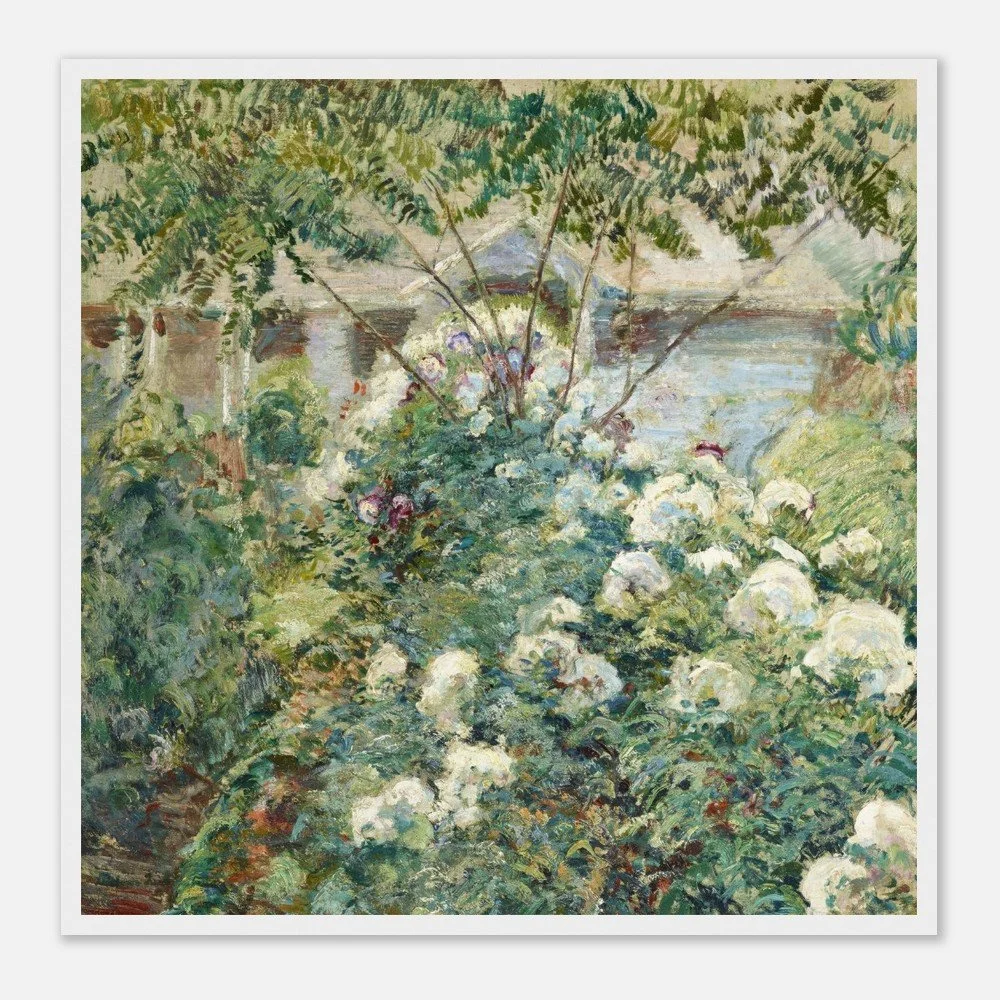 Image 15 of 22
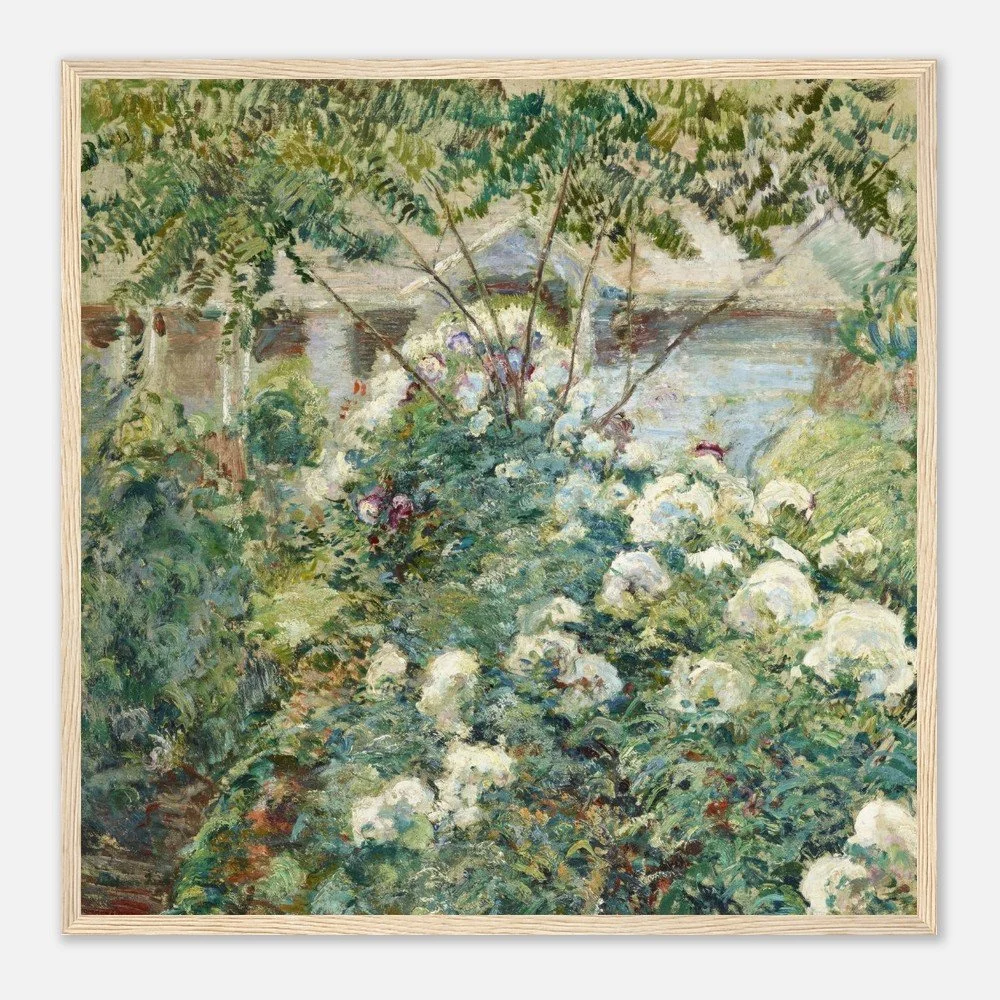 Image 16 of 22
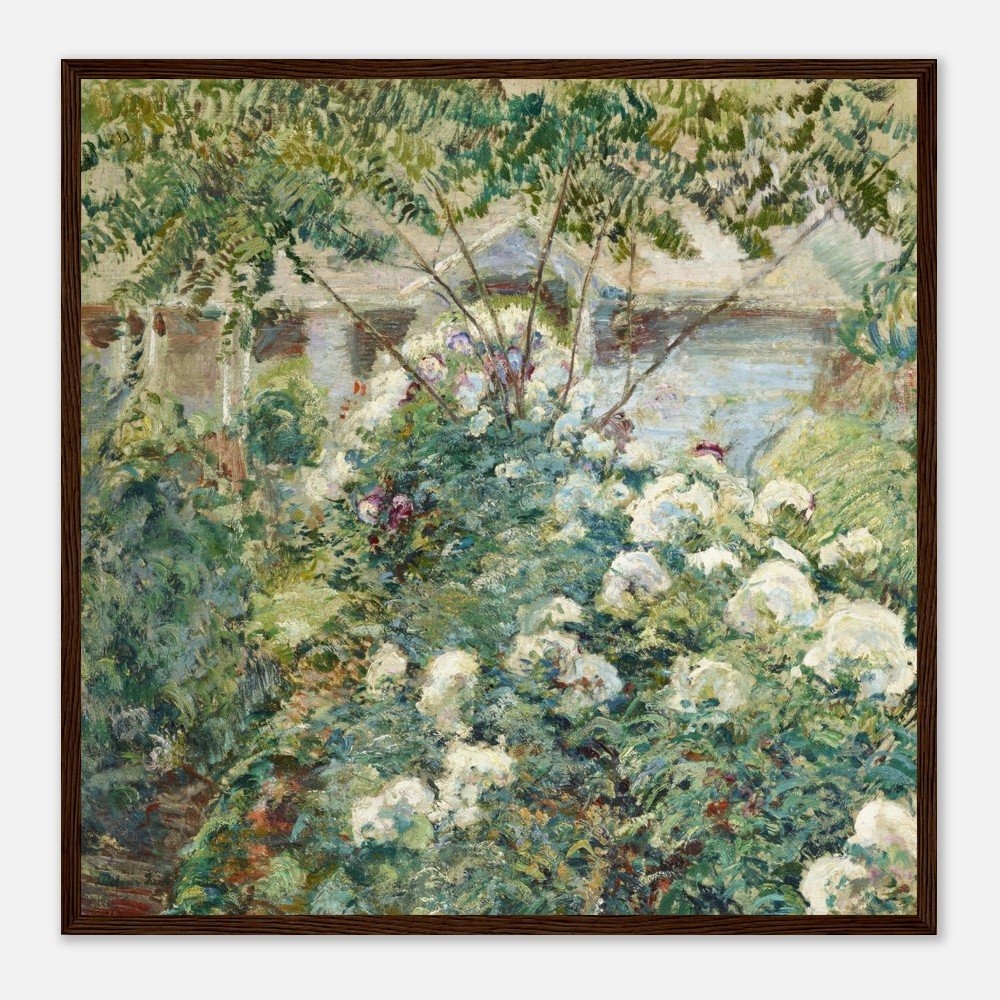 Image 17 of 22
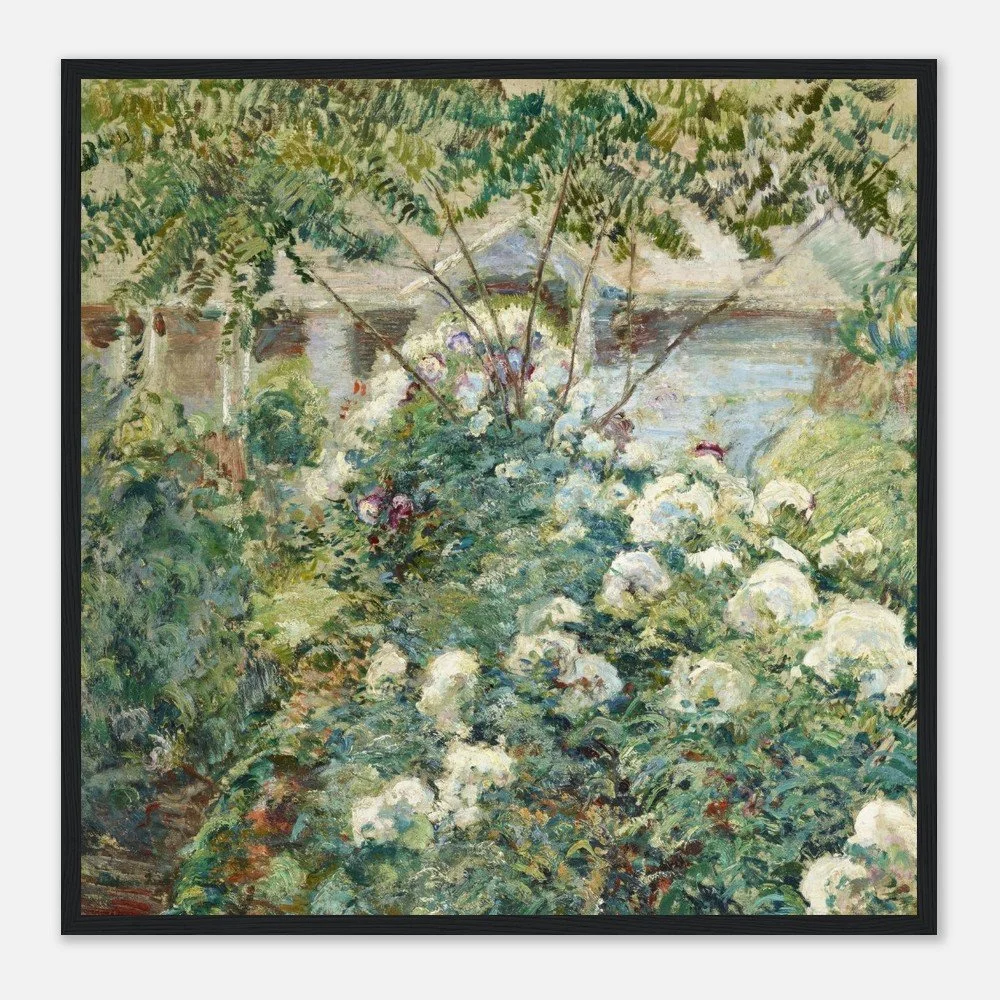 Image 18 of 22
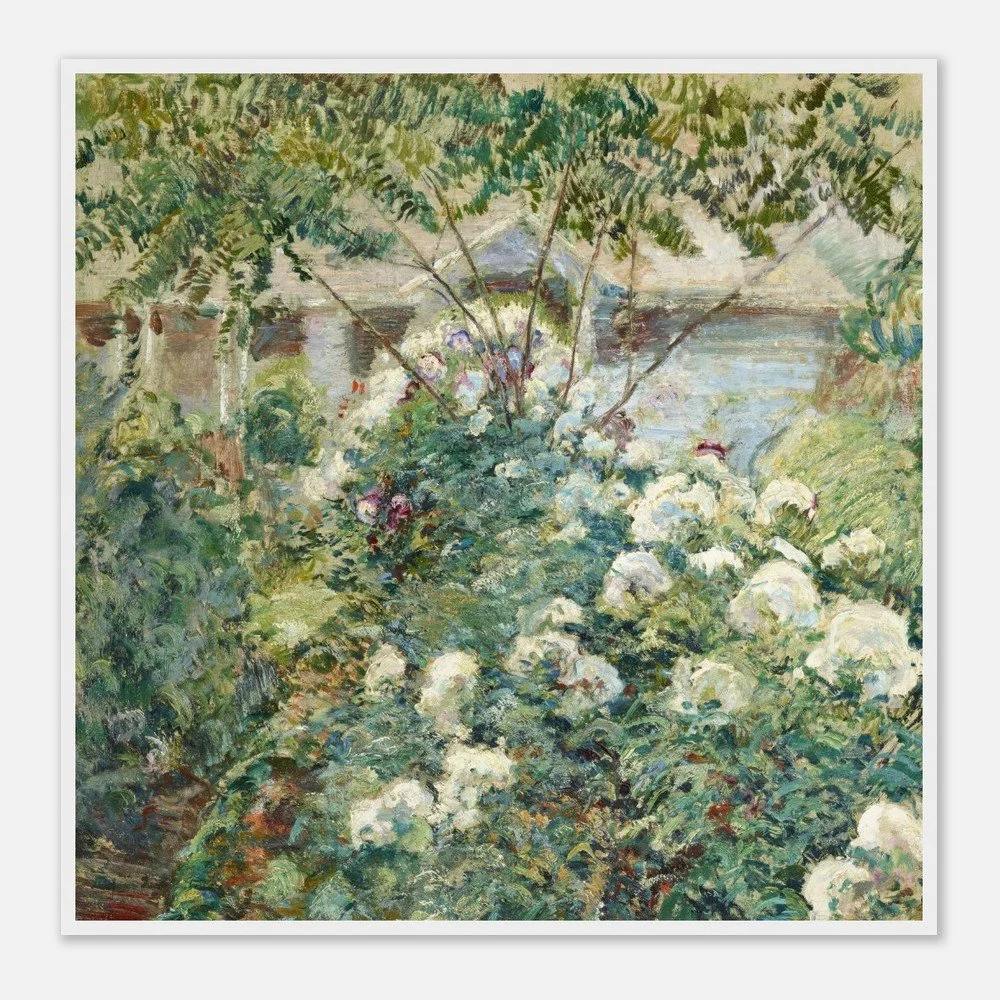 Image 19 of 22
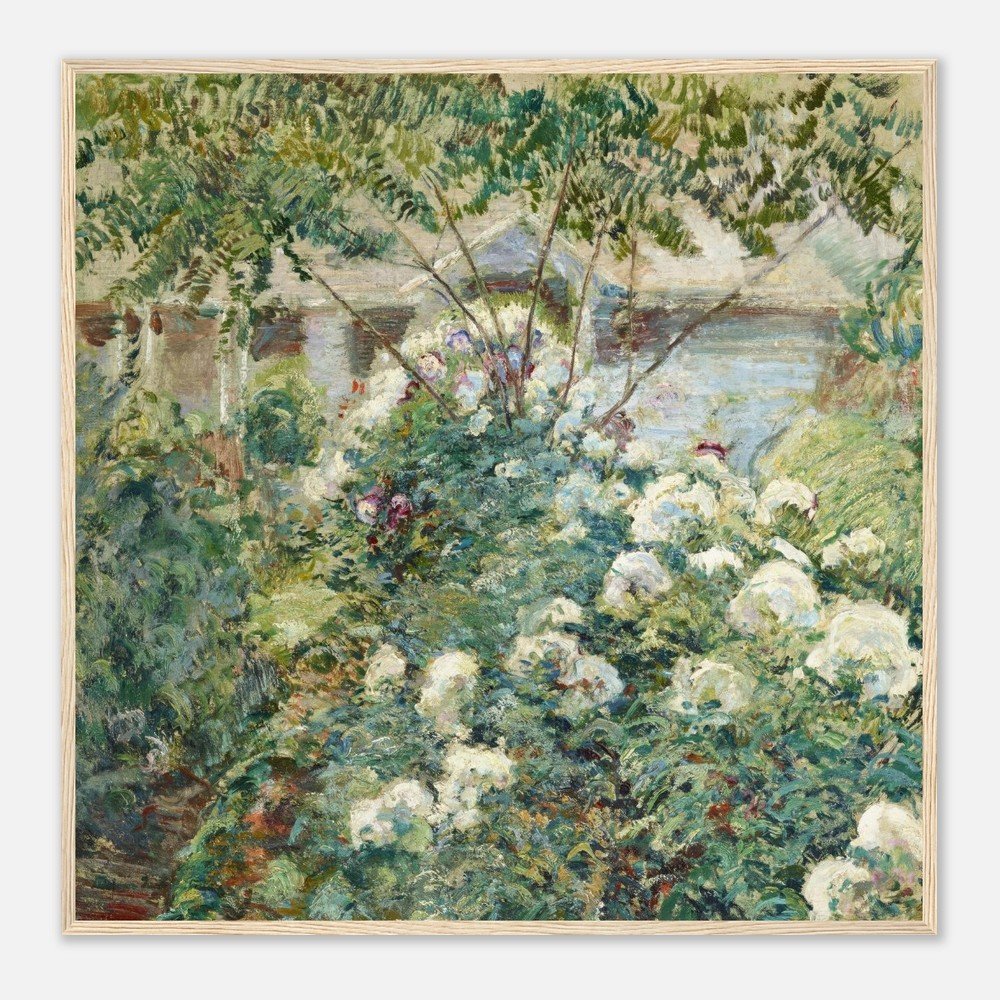 Image 20 of 22
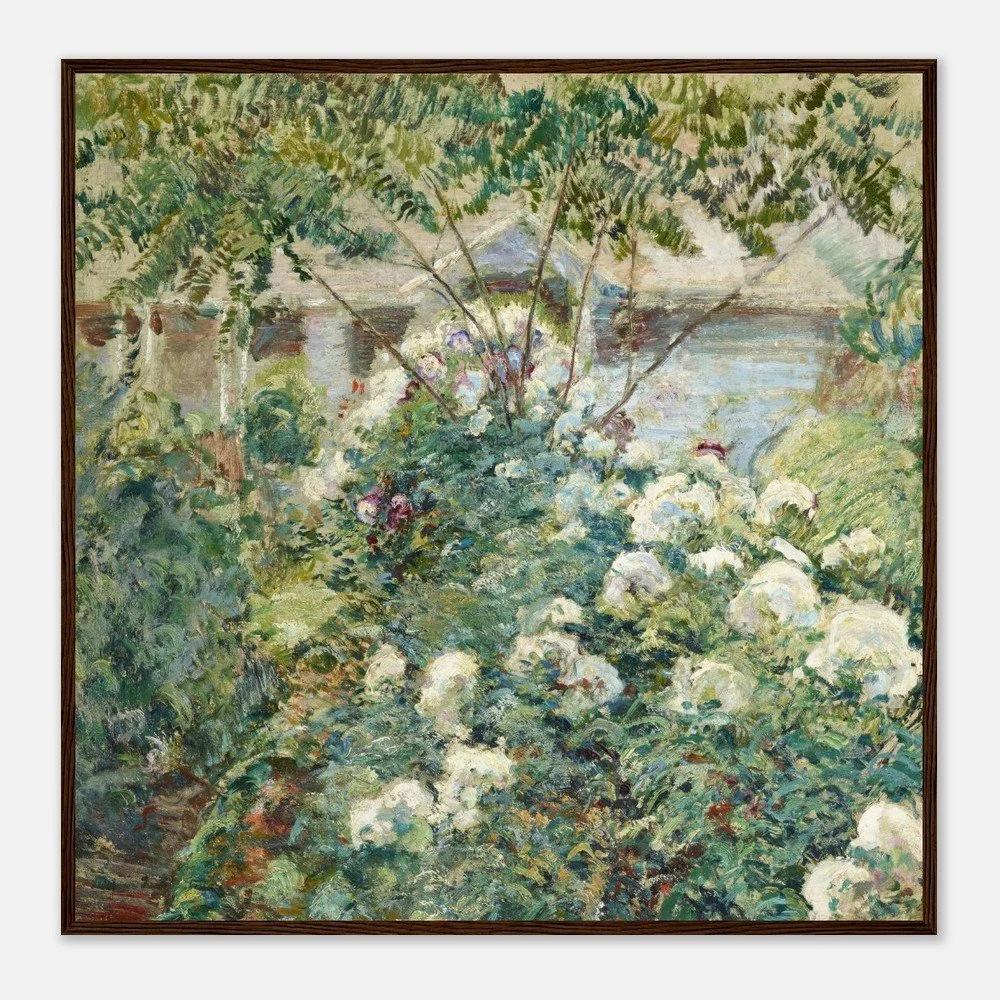 Image 21 of 22
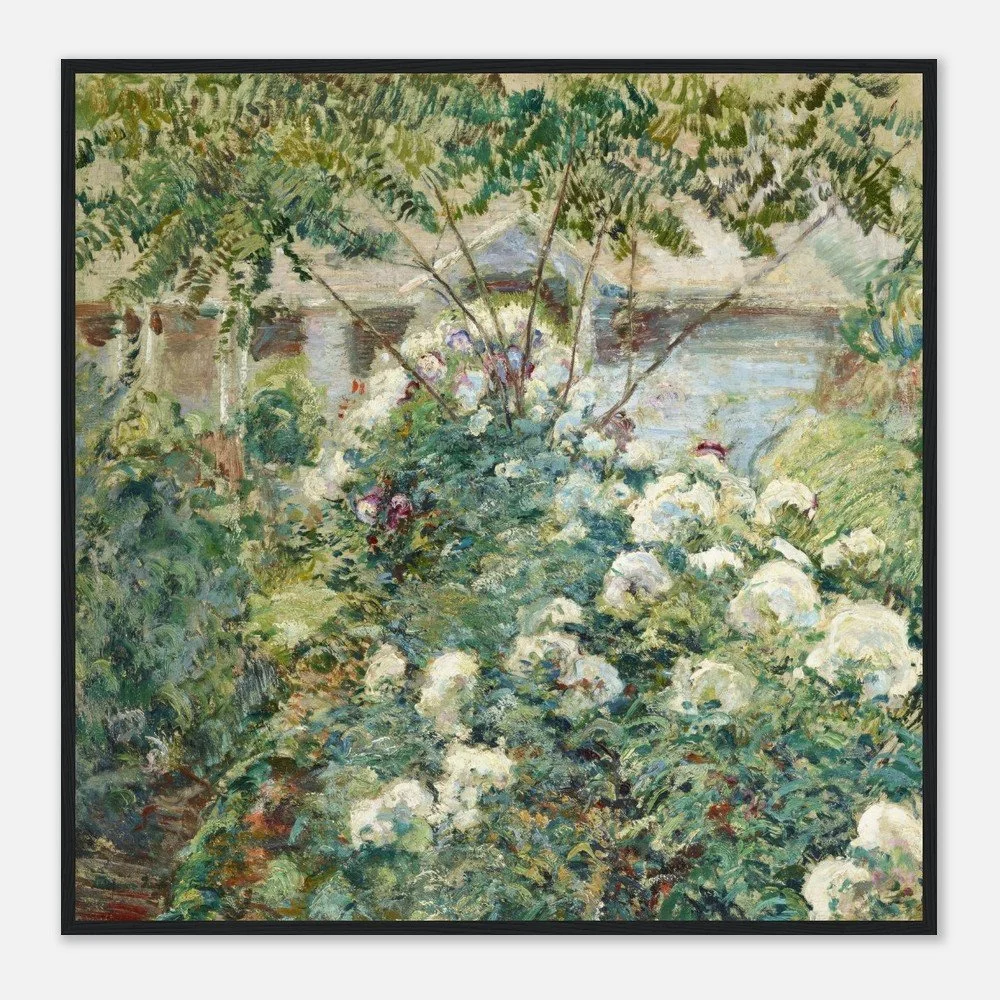 Image 22 of 22