ART WITH A POINT OF VIEW   ·   CURATED IN TAIWAN
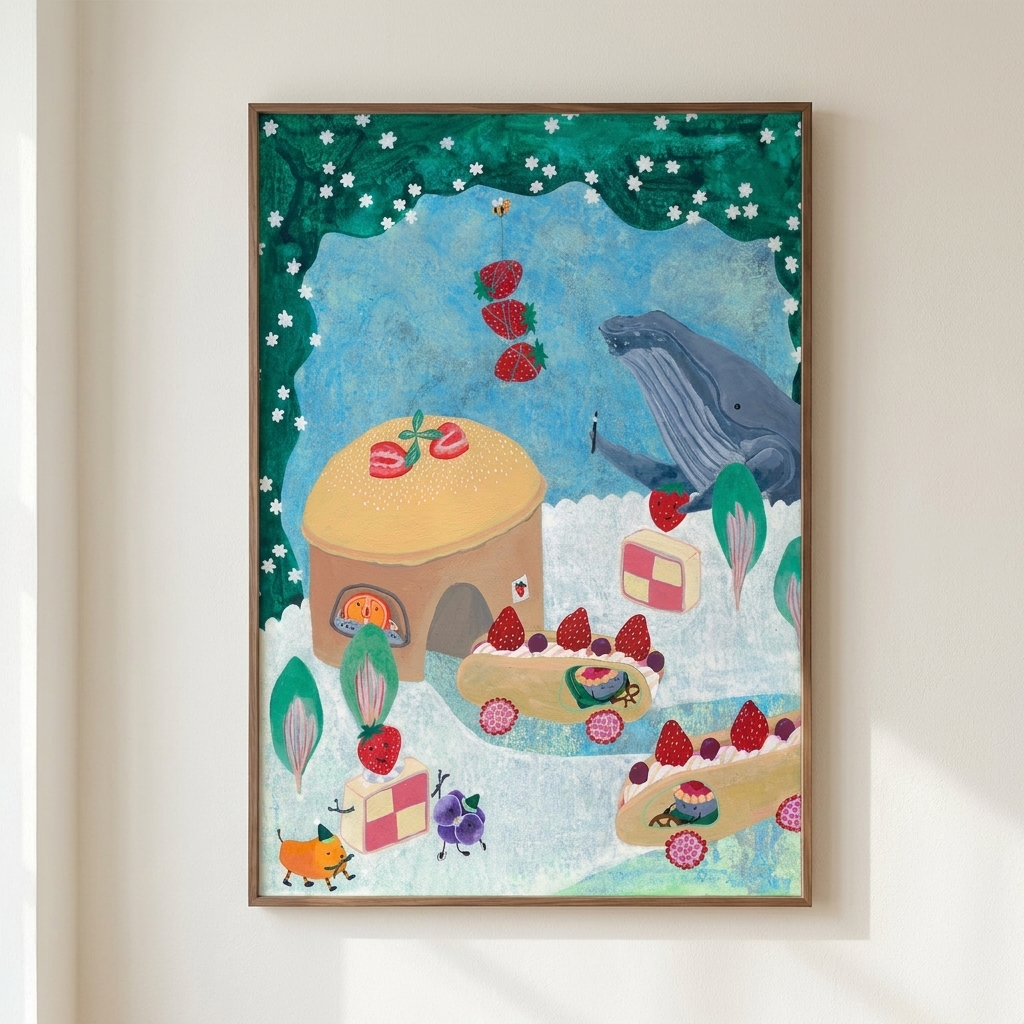
Strawberry Festival by Hsu Yachi, a vertical art print featuring animals and flowers and still life, in multicoloured tones. Cover image.
01 /Hsu Yachi · Strawberry Festival
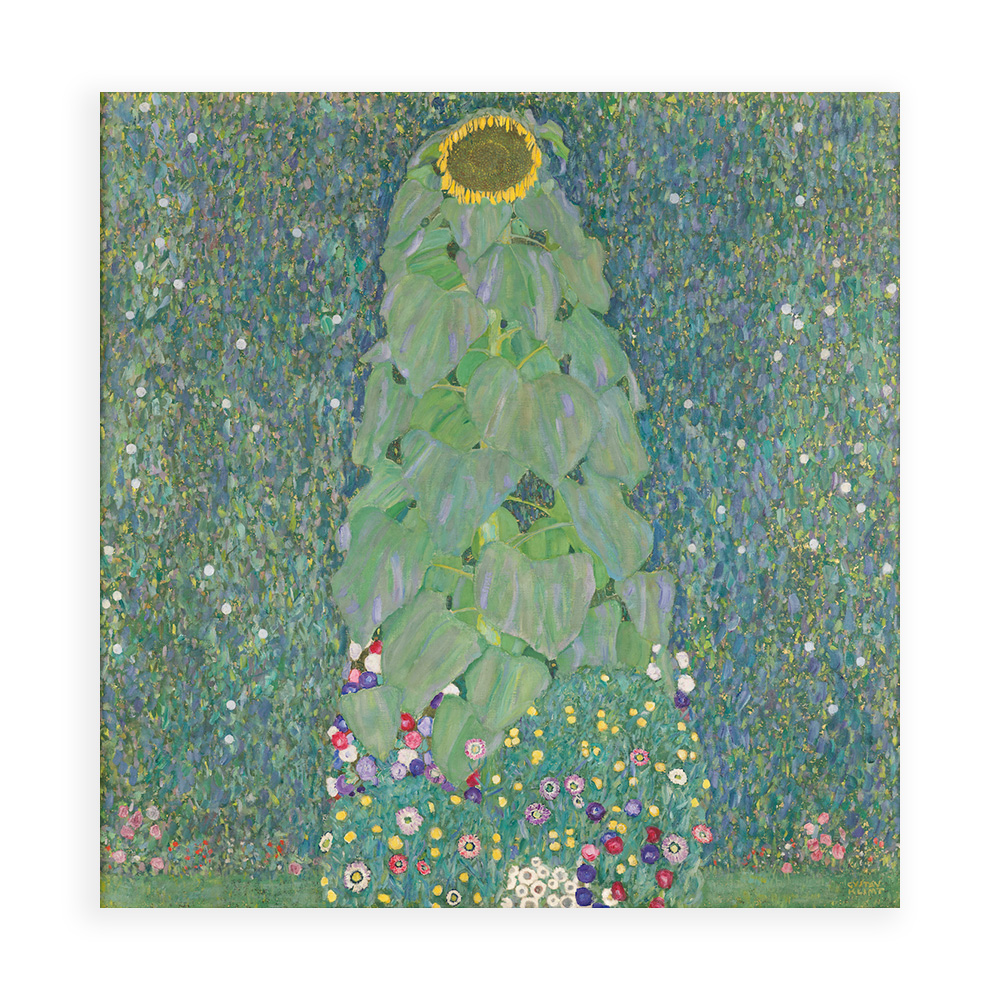
Sunflowers by Klimt, a square art print featuring flowers and still life and natural landscapes, in green tones. Cover image.
02 /Gustav Klimt · Sunflowers

THE LIGHTO EDIT

A little art
changes everything.

Thoughtful works by artists near and far, chosen for the spaces we call home.

EXPLORE THE COLLECTION
ORIGINALS, PRINTS & LIMITED EDITIONS

Meet the artists and find the piece that feels like yours.

LIGHTO TO MEET YOU

THE COLLECTION

Art to live with

Browse the works from LIGHTO's authorized artists.

LOADING WORKS…

THE PEOPLE BEHIND THE ART

Meet the artists

From established names to new perspectives, discover the makers in the LIGHTO collection.

← All artworks

Art Prints

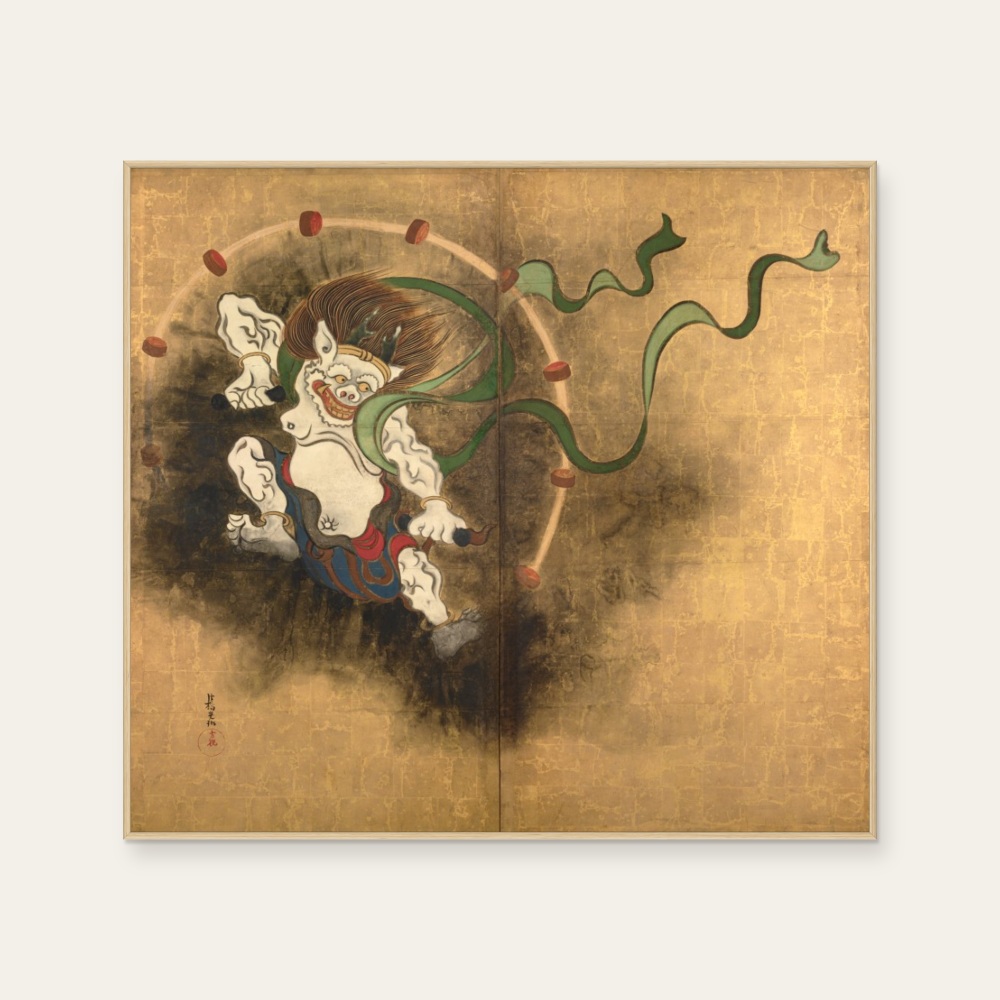
Rinpa | Tawaraya Sōtatsu- Thor

Rinpa School ↗

Artwork medium

Giclée print / Metallic photo paper

USD 43

Artwork categories
Orientation
Landscape

About the artwork

What is Rinpa?

Rinpa, also known as the Kōrin school, is a Japanese visual arts tradition that emerged in the late Momoyama period and remained active into modern times. Its first generation, Hon'ami Kōetsu and Tawaraya Sōtatsu, established its style. In the second generation, the brothers Ogata Kōrin and Ogata Kenzan produced a large body of work that developed and popularised it. The third-generation artist Sakai Hōitsu continued the tradition while compiling and publishing the works of his predecessors, helping the public recognise Rinpa as a coherent artistic school. Unlike other Edo-period schools, such as Kanō and Maruyama–Shijō, which transmitted painting techniques through direct study with a master and the copying of models, Rinpa's inheritance crossed boundaries of time, place and social status. This distinctive tradition had a considerable influence on European Impressionism, modern Japanese painting and design, and holds a significant place in Japanese art history.

Four of Rinpa's most representative painter-craftsmen, in chronological order, are Tawaraya Sōtatsu, Ogata Kōrin, Sakai Hōitsu and Kamisaka Sekka. They did not know one another and never met, as they lived roughly a hundred years apart. In the history of Rinpa, each represents a span of about a century.

About the artist

The Rinpa school, also known as the "Korin school", is a modern school of plastic arts that emerged in the late Momoyama period in Japan. The first generation of Ben-Ami Koetsu (Ben-Ami Koetsu) and Tawaraya Soda laid down its style. The second generation of Ogata Korin and the Qianshan brothers created a large number of works to promote it. The third generation of Sakai Hugoichi not only continued its style, but also announced the compilation of predecessors' works to the world, allowing the "Lin school" to be recognized as a systematic genre in society. Relative to other Edo era schools such as the Kano School, the Maruyama School, and the Shijo School, the Rinpoche School learned painting skills directly from painters through imitation. The inheritance of the Rinpoche School does not matter the time, place, or status, and is a characteristic that other schools have not seen. Lam's influence on European impressionism, modern Japanese painting, and design has played a pivotal role in the history of Japanese art.

The four most representative craft painters in the Lin school, arranged according to the chronological order of their appearance, are Tawaraya Sonta, Ogata Korin, Sakai Hakuichi, and Kamisaka Yukiya. The four craft painters did not know each other or even met each other. Because the times they lived in were exactly one hundred years apart. In the history of Linpai, they represented a hundred years, or a century, respectively.
LIGHTO

Artwork preview

COLOR
SUBJECT
ORIENTATION

USD prices are TWD prices divided by 30 and rounded up.

Original listing title

Your cart

Your cart is empty.

Shipping & contact details

紅利點數

登入會員使用紅利 ↗

SubtotalShippingTotal payable now