

THE LIGHTO EDIT
A little art
changes everything.
Thoughtful works by artists near and far, chosen for the spaces we call home.
EXPLORE THE COLLECTIONMeet the artists and find the piece that feels like yours.
LIGHTO TO MEET YOUFIND YOUR POINT OF VIEW
A place to begin.
Landscapes, abstract forms, and everyday beauty.
THE COLLECTION
Art to live with
Browse the works from LIGHTO's authorized artists.
No artworks match these filters. Try another color, subject, or orientation.
THE PEOPLE BEHIND THE ART
Meet the artists
From established names to new perspectives, discover the makers in the LIGHTO collection.
Sizes & prices
| Size | Artwork only | With framing | Framing + acrylic |
|---|---|---|---|
| 60×60 cm | — | USD 176 | USD 203 |
Product details
Artist: Francesca Woodman
Francesca Woodman was born in Colorado, United States, in 1958. Many of her photographs depict women in rooms or beside walls. Their bodies are blurred and dreamlike, like mist, making the relationship between the women and the space around them difficult to discern. Through camouflage and changes in light and shadow, she created poetic works with compelling imagery. Body, space, and architecture seem to merge, producing an intoxicating, captivating poetry.
Woodman was born in Denver in 1958. Her father was a painter and her mother a ceramic artist. Growing up in an artistic family, she developed a strong interest in photography from an early age and enjoyed taking black-and-white photographs. She produced her first work at just 13. Between 1975 and 1979, she received professional training at the Rhode Island School of Design, including a year in an honors program in Rome. After graduating, she moved to New York to pursue an artistic career.
During her university years and her time in New York, Woodman held numerous solo and group exhibitions. Within a month of publishing her photography book Some Disordered Interior Geometries in 1981, she jumped to her death from her residence in New York’s East Village. She was only 22.
Woodman approached her photographs as though they were images in a diary. Like other artists, she used her diary as a workbook and as a space in which to rehearse responses to her photographs. Thus, although Woodman could not calculate the strength of outdoor light or the degree of imagined disorder in a space in advance, most of her works were planned beforehand. Her working diary was like a complex space in which she could compose for the future, linking past, present, and future. Photography was Woodman’s medium, and photography is, in fact, especially suited to confronting death, loss, and mourning: it can reveal traces of what once existed but is no longer there. Woodman’s photographs are therefore like a diary, showing people a way to look at her, or a way for her to look at herself. Her images reveal traces of herself that can endure after she has disappeared from the visible world. They are full of distinctive resonance and profound meaning, and leave mysterious, thought-provoking clues about her death.
Woodman’s desire to return to “the semiotic chora” also inspired her to create photographs haunted by a death drive. An untitled self-portrait taken in New York the year before her suicide is representative: Woodman lies in a bathtub, while the white tub, the grid-like markings on the floor, and the stains around the cement pipes by the wall create an inexplicably unsettling sense of death.
Woodman left behind a series of photographs that preserve a complete trajectory and reveal a traceable course of development. To her, there was really no difference between the initial pose when a photograph was taken and the final result printed in the photograph. Moving through transformations of self-creation and self-erasure, Woodman actively planned and photographed her works, using disguise and a merging with space to seek a return to the maternal body. She even used “disappearance” and the dissolution of boundaries to change the perspective from which women are gazed upon in images, demonstrating Woodman’s discovery of women’s bodily self-awareness and the importance she placed on their right to interpret it.
Woodman’s longing for a feminine space was intertwined with the temptation of self-destruction. In this world, boundaries break down and dissolve, leaving only traces of death and chaos. The works she made in her final years convey metaphors of death, redemption, and rebirth, expressing a belief that is both veiled and full of anticipation after the realization of her desire for liberation.
In the late 1960s, feminist artists created extraordinarily varied and challenging art, making feminist art one of the major movements in contemporary art history. Western feminist art of the 1960s and 1970s, particularly in the United States, prompted women to confront the reality of their own bodies anew and challenged conventional notions of “beauty.”
Woodman once said, “I’m interested in the relationship between people and space.” During her brief photographic career, she made more than five hundred photographs, most of them self-portraits. Focusing on the performance of the body, she showed women actively exploring the representation of their own bodies. Her particular interest in the logical relationship between time and space is evident in her work, as are her moving aesthetic achievements. Woodman’s body art exploring self-representation also resonates with the development of feminist body art from the 1960s onward. On this basis, we will further introduce her self-portrait photographs involving space and bodily disguise.
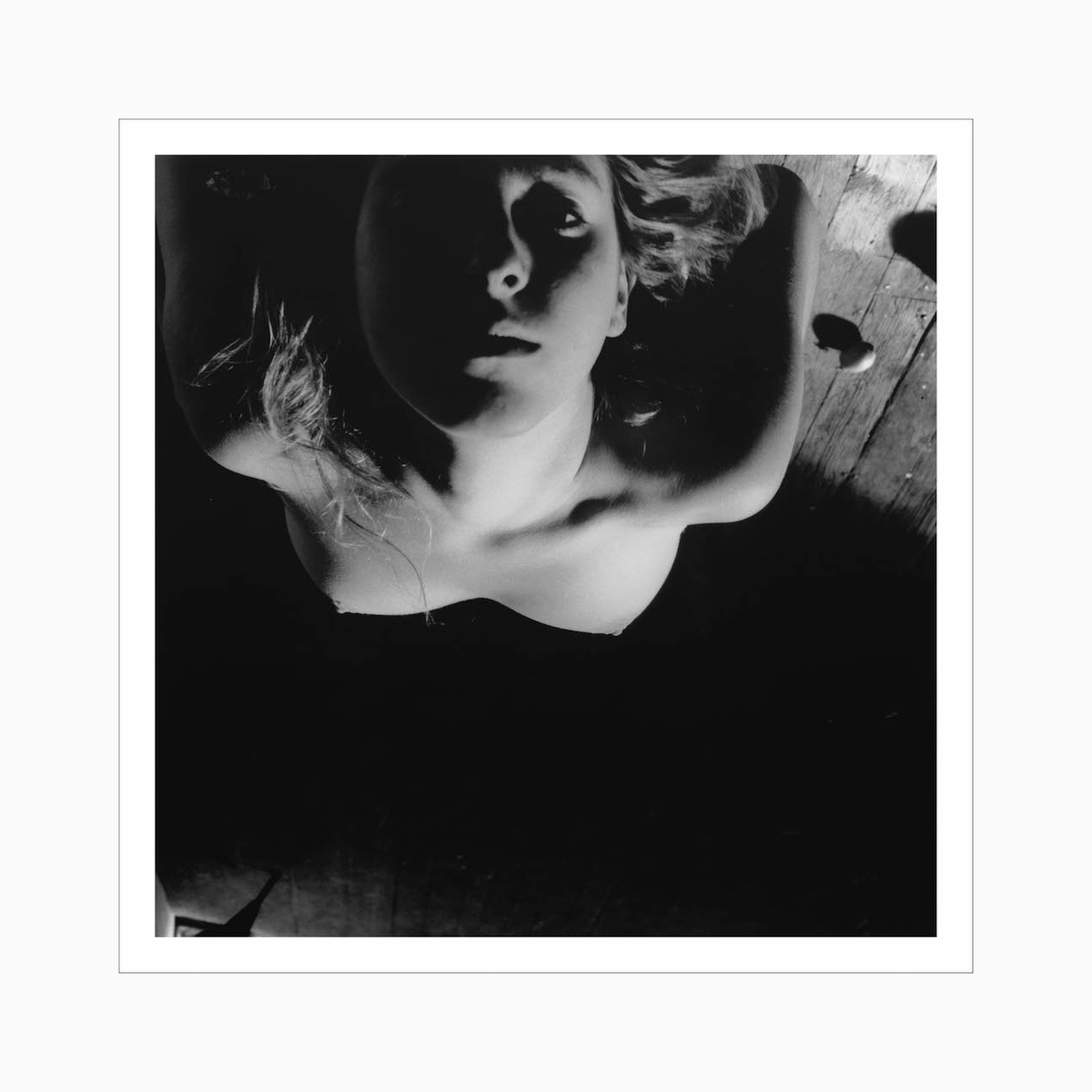
Artwork title: On being an angel #1
Paper & medium
Woodman approached photographs as images in a diary. Her journals served as practice books and spaces in which to rehearse responses to her photographic work. Although she could not fully anticipate outdoor light or the complexities of a space, much of her work was planned. Her journals connected past, present and future, like a space in which to compose what would come next. Photography can preserve traces of what once existed but is now absent, making it a medium for confronting death, loss and mourning. Her photographs offer ways of seeing her and of seeing herself, retaining traces of her presence beyond the visible world and leaving enigmatic clues to her death.
About the artist
Francesca Woodman was born in Colorado, United States, in 1958. Many of her photographs depict women in rooms or beside walls. Their bodies are blurred and dreamlike, like mist, making the relationship between the women and the space around them difficult to discern. Through camouflage and changes in light and shadow, she created poetic works with compelling imagery. Body, space, and architecture seem to merge, producing an intoxicating, captivating poetry.
Woodman was born in Denver in 1958. Her father was a painter and her mother a ceramic artist. Growing up in an artistic family, she developed a strong interest in photography from an early age and enjoyed taking black-and-white photographs. She produced her first work at just 13. Between 1975 and 1979, she received professional training at the Rhode Island School of Design, including a year in an honors program in Rome. After graduating, she moved to New York to pursue an artistic career.
During her university years and her time in New York, Woodman held numerous solo and group exhibitions. Within a month of publishing her photography book Some Disordered Interior Geometries in 1981, she jumped to her death from her residence in New York’s East Village. She was only 22.
Woodman approached her photographs as though they were images in a diary. Like other artists, she used her diary as a workbook and as a space in which to rehearse responses to her photographs. Thus, although Woodman could not calculate the strength of outdoor light or the degree of imagined disorder in a space in advance, most of her works were planned beforehand. Her working diary was like a complex space in which she could compose for the future, linking past, present, and future. Photography was Woodman’s medium, and photography is, in fact, especially suited to confronting death, loss, and mourning: it can reveal traces of what once existed but is no longer there. Woodman’s photographs are therefore like a diary, showing people a way to look at her, or a way for her to look at herself. Her images reveal traces of herself that can endure after she has disappeared from the visible world. They are full of distinctive resonance and profound meaning, and leave mysterious, thought-provoking clues about her death.
Woodman’s desire to return to “the semiotic chora” also inspired her to create photographs haunted by a death drive. An untitled self-portrait taken in New York the year before her suicide is representative: Woodman lies in a bathtub, while the white tub, the grid-like markings on the floor, and the stains around the cement pipes by the wall create an inexplicably unsettling sense of death.
Woodman left behind a series of photographs that preserve a complete trajectory and reveal a traceable course of development. To her, there was really no difference between the initial pose when a photograph was taken and the final result printed in the photograph. Moving through transformations of self-creation and self-erasure, Woodman actively planned and photographed her works, using disguise and a merging with space to seek a return to the maternal body. She even used “disappearance” and the dissolution of boundaries to change the perspective from which women are gazed upon in images, demonstrating Woodman’s discovery of women’s bodily self-awareness and the importance she placed on their right to interpret it.
Woodman’s longing for a feminine space was intertwined with the temptation of self-destruction. In this world, boundaries break down and dissolve, leaving only traces of death and chaos. The works she made in her final years convey metaphors of death, redemption, and rebirth, expressing a belief that is both veiled and full of anticipation after the realization of her desire for liberation.
In the late 1960s, feminist artists created extraordinarily varied and challenging art, making feminist art one of the major movements in contemporary art history. Western feminist art of the 1960s and 1970s, particularly in the United States, prompted women to confront the reality of their own bodies anew and challenged conventional notions of “beauty.”
Woodman once said, “I’m interested in the relationship between people and space.” During her brief photographic career, she made more than five hundred photographs, most of them self-portraits. Focusing on the performance of the body, she showed women actively exploring the representation of their own bodies. Her particular interest in the logical relationship between time and space is evident in her work, as are her moving aesthetic achievements. Woodman’s body art exploring self-representation also resonates with the development of feminist body art from the 1960s onward. On this basis, we will further introduce her self-portrait photographs involving space and bodily disguise.