

THE LIGHTO EDIT
A little art
changes everything.
Thoughtful works by artists near and far, chosen for the spaces we call home.
EXPLORE THE COLLECTIONMeet the artists and find the piece that feels like yours.
LIGHTO TO MEET YOUFIND YOUR POINT OF VIEW
A place to begin.
Landscapes, abstract forms, and everyday beauty.
THE COLLECTION
Art to live with
Browse the works from LIGHTO's authorized artists.
No artworks match these filters. Try another color, subject, or orientation.
THE PEOPLE BEHIND THE ART
Meet the artists
From established names to new perspectives, discover the makers in the LIGHTO collection.
Sizes & prices
| Size | Artwork only | With framing | Framing + acrylic |
|---|---|---|---|
| 60×80 cm | — | USD 210 | USD 243 |
Product details
* The mounting and framing process is time-consuming and labor-intensive. Please allow 2–3 weeks for your order and thank you for your patience.
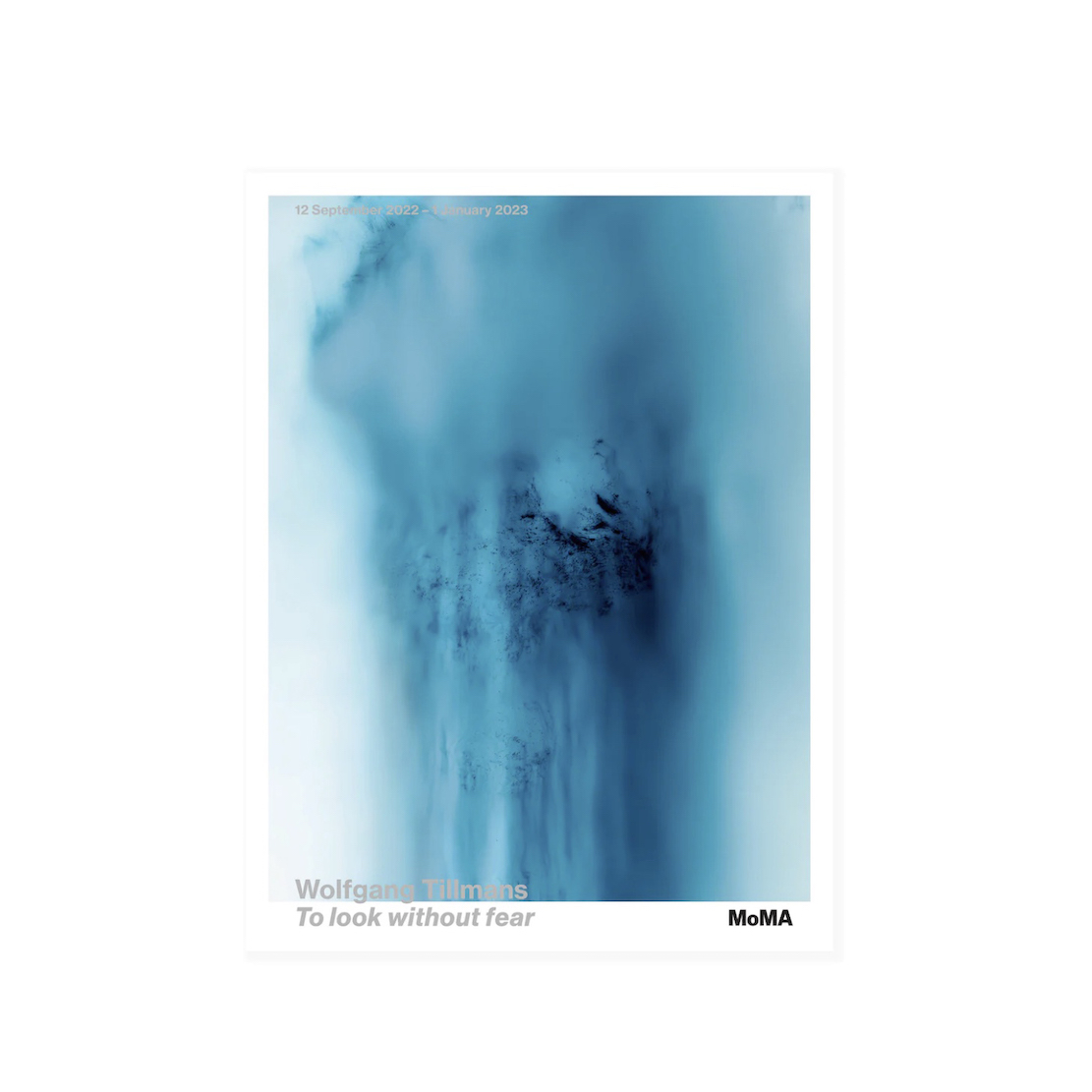
Artist: Wolfgang Tillmans
Wolfgang Tillmans was born in Remscheid, Germany, in 1968. A photographer whose work is primarily documentary in style, he was the first photographer and the first non-British artist to win the Turner Prize, in 2000.
Building on his exploration of photography as a medium, Tillmans has continued to observe his surroundings through every stage of his life. He believes that ordinary things can become extraordinary if we take the time to look at them attentively, an outlook that has led him to develop a diverse and wide-ranging body of photographic subjects. He acknowledges that what he photographs is connected to his life, but, by focusing on details, he hopes the details in his images will speak to viewers and convey experiences that resonate with the wider public.
A polymath of equally remarkable insight and practical ability, Tillmans combines uncompromising creativity with a moral outlook to address and discuss the most pressing issues of contemporary life. His style transcends the boundaries of any artistic convention; he is best known for the broad spectrum of work he produces through photography. He moves between ecstatic moments of nightlife, abstract camera-less photography, and still lifes on windowsills. His incisive perspective can document social movements as readily as it captures sensitive portraits and intimate nudes, while he also studies architecture and even astronomical phenomena. Tillmans seems to have explored every imaginable type of photography. Not only has he transformed the ways photography is displayed; he continues to experiment with new forms of imagery and ways to deepen the viewer’s experience.
Artwork title: To look without fear
Poster size: 60*80cm
Paper & medium
About the artist
Wolfgang Tillmans was born in Remscheid, Germany, in 1968. A photographer whose work is primarily documentary in style, he was the first photographer and the first non-British artist to win the Turner Prize, in 2000.
Building on his exploration of photography as a medium, Tillmans has continued to observe his surroundings through every stage of his life. He believes that ordinary things can become extraordinary if we take the time to look at them attentively, an outlook that has led him to develop a diverse and wide-ranging body of photographic subjects. He acknowledges that what he photographs is connected to his life, but, by focusing on details, he hopes the details in his images will speak to viewers and convey experiences that resonate with the wider public.
A polymath of equally remarkable insight and practical ability, Tillmans combines uncompromising creativity with a moral outlook to address and discuss the most pressing issues of contemporary life. His style transcends the boundaries of any artistic convention; he is best known for the broad spectrum of work he produces through photography. He moves between ecstatic moments of nightlife, abstract camera-less photography, and still lifes on windowsills. His incisive perspective can document social movements as readily as it captures sensitive portraits and intimate nudes, while he also studies architecture and even astronomical phenomena. Tillmans seems to have explored every imaginable type of photography. Not only has he transformed the ways photography is displayed; he continues to experiment with new forms of imagery and ways to deepen the viewer’s experience.