

THE LIGHTO EDIT
A little art
changes everything.
Thoughtful works by artists near and far, chosen for the spaces we call home.
EXPLORE THE COLLECTIONMeet the artists and find the piece that feels like yours.
LIGHTO TO MEET YOUFIND YOUR POINT OF VIEW
A place to begin.
Landscapes, abstract forms, and everyday beauty.
THE COLLECTION
Art to live with
Browse the works from LIGHTO's authorized artists.
No artworks match these filters. Try another color, subject, or orientation.
THE PEOPLE BEHIND THE ART
Meet the artists
From established names to new perspectives, discover the makers in the LIGHTO collection.
Sizes & prices
Product details
* The mounting and framing process is time-consuming and labor-intensive. Please allow 2–3 weeks for your order and thank you for your patience.
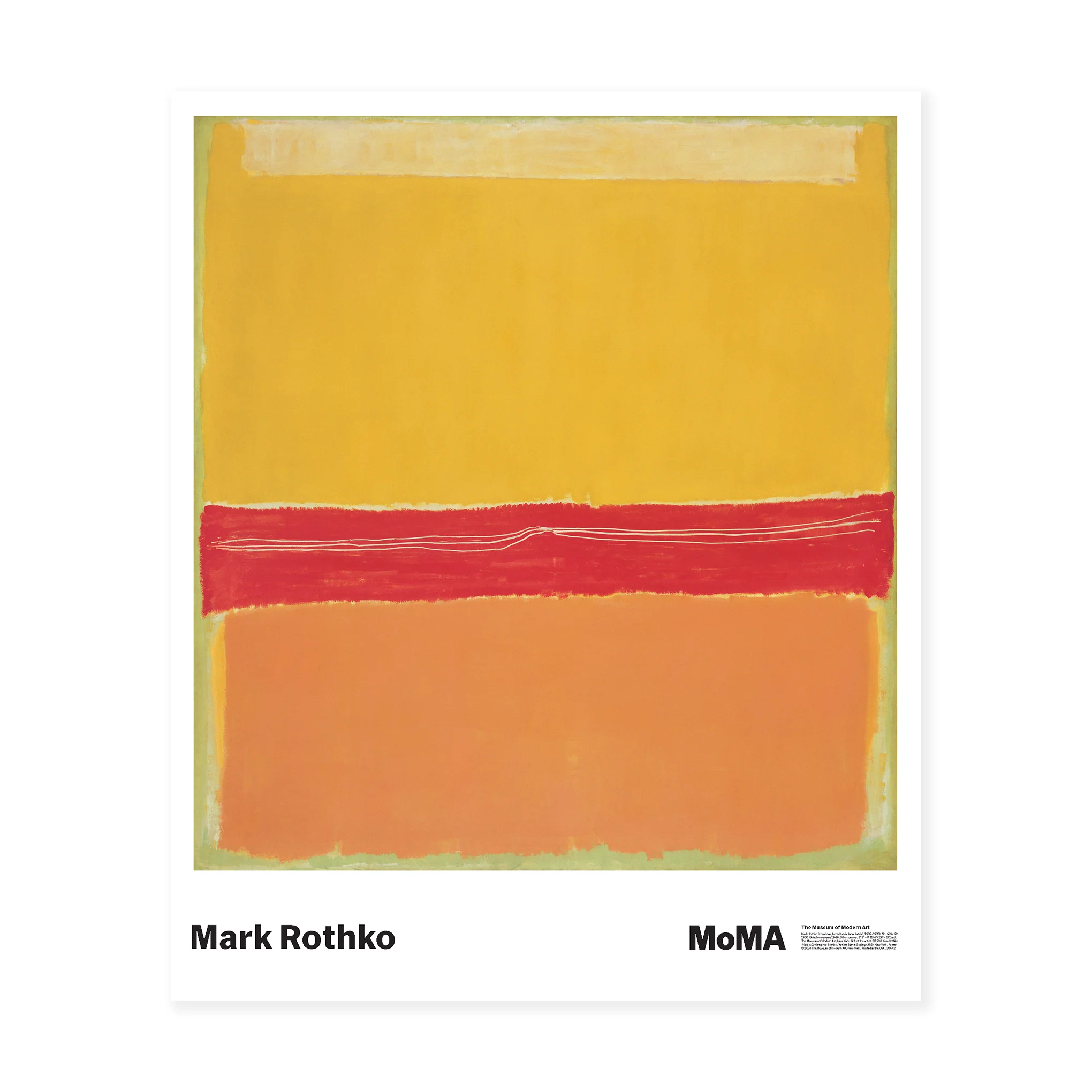
Original poster
Poster size: 83*68 cm
Publisher: MoMA
Artwork: "Number 5" (1950) by Mark Rothko.
American abstract painter Mark Rothko (1903–1970) was born in Russia in 1903. He graduated from the Art Students League of New York, studied under Max Weber, and was an abstract painter and one of the early leaders of the abstract movement. His artistic style was initially realist; he later experimented with Expressionist and Surrealist approaches. Subsequently, he gradually abandoned representational forms, developing his fully abstract color-field painting style in the late 1940s.
Mark Rothko’s works generally consist of two or three rectangles arranged together, with subtle colors and blurred edges. They float over a field of color, creating a continuous, ambiguous effect. The paint is diluted and applied in extremely thin, translucent layers that veil and blend into one another, merging light and dark, muted and bright, cool and warm to produce an almost illusory sense of mystery. This interplay of form and color symbolizes the condition of all existence and embodies the workings of human emotion. Through this approach, the painter reached the heart of things. Rothko’s paintings are usually enormous so that viewers can feel present within them, immersed in the atmosphere they create. He said in 1951: “I realized that the function of making large paintings throughout history may have been to depict something grand and magnificent. But the reason I paint them—and I think this applies to other painters I know—is precisely that I want them to be very intimate and human. To paint a small picture is to place yourself outside the experience, viewing the experience as a scene through a projection magnifier, or examining it with a magnifying glass. But when you paint a larger picture, you are in it. It is no longer something you can command.” In 1958, he said: “I paint large pictures because I want to create an atmosphere of intimacy. A large painting is a direct communication; it takes you into the picture.” Mark Rothko wanted his works hung high enough, with dim lighting and a meditative atmosphere, so that viewers could become fully immersed and experience their deeper emotions and meanings. Of course, these requirements are generally difficult to meet in full.
Paper & medium
Original poster; size and framing options are listed above.