

THE LIGHTO EDIT
A little art
changes everything.
Thoughtful works by artists near and far, chosen for the spaces we call home.
EXPLORE THE COLLECTIONMeet the artists and find the piece that feels like yours.
LIGHTO TO MEET YOUFIND YOUR POINT OF VIEW
A place to begin.
Landscapes, abstract forms, and everyday beauty.
THE COLLECTION
Art to live with
Browse the works from LIGHTO's authorized artists.
No artworks match these filters. Try another color, subject, or orientation.
THE PEOPLE BEHIND THE ART
Meet the artists
From established names to new perspectives, discover the makers in the LIGHTO collection.
Sizes & prices
| Size | Artwork only | With framing | Framing + acrylic |
|---|---|---|---|
| 29.5×42 cm | — | USD 110 | USD 126 |
Product details
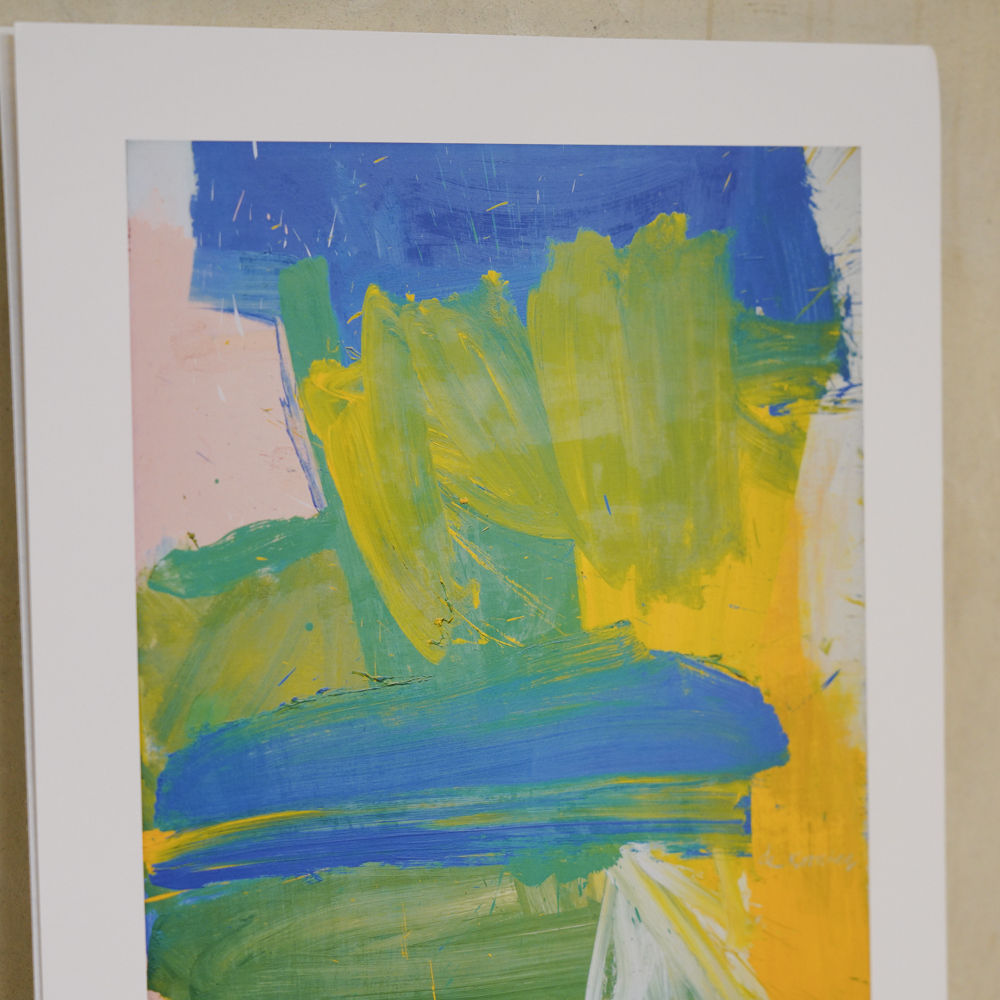
Artist: Willem de Kooning
Willem de Kooning was an American Abstract Expressionist artist born in Rotterdam, the Netherlands. In the post–World War II period, his paintings exemplified Abstract Expressionism, or Action Painting, a style later associated with the New York School. A major retrospective of his work was held at the Museum of Modern Art in New York City in September 2011.
Artwork title: Villa Borghese Dimensions: 29.5*42cm
Original poster from a Spanish museum
Paper & medium
Original poster; size and framing options are listed above.
About the artist
Willem de Kooning (1904–1997) was born in Rotterdam, the Netherlands, and later moved to the United States. He was one of the most important Abstract Expressionist artists of the 20th century and a central figure in the New York School. Both Tate and Britannica classify him as a Dutch-American Abstract Expressionist painter; Britannica also identifies him as an important exponent of Action Painting.
A well-known aspect of his work is that he does not completely separate the “abstract” from the “figurative.” He painted figures early in his career and later moved into abstraction, but traces of bodies, landscapes, women, cities, and light often remain in his images. In other words, rather than simply painting geometric shapes, he breaks the real world apart and reassembles it in an intense, emotional way.
De Kooning’s brushwork often has a palpable physicality, and his paintings seem to be constantly changing. This is part of their appeal: they do not hang quietly on the wall but seem still to be breathing, struggling, and moving.